
Lieferung heute & morgen

Qualitätsgarantie

Willkommens-Angebote freischalten: KOSTENLOSE Lieferung | Bis zu 80 % RABATT | Kostenlose 30-Tage-JoyPlus-Testphase
App herunterladen
On the train, in a café, or at the office—sensitive information on your smartphone display is often exposed to prying eyes. A privacy screen protector promises a solution, but not every product delivers on its promise. Many users invest in a privacy film, only to find that it severely impacts display quality, isn't compatible with their phone case, or shatters during installation.
As your Joybuy Product Recommendation Officer, I'll help you identify the common pitfalls and make an informed decision. We will focus on the objective features that truly matter.
Before you spend money on an unsuitable product, you should be aware of these three widespread issues:
To avoid these problems, you should check three technical specifications before buying. These define the quality and everyday usability of a privacy screen protector.
The most important parameter of a privacy screen protector is the angle at which the screen becomes unreadable to side viewers.
A privacy glass should protect not only your privacy but also the display itself.
The best iPhone privacy screen protector or the most durable Samsung privacy glass is useless if it doesn't fit perfectly.
Based on these criteria, we have curated a selection of products suitable for different needs and usage scenarios.
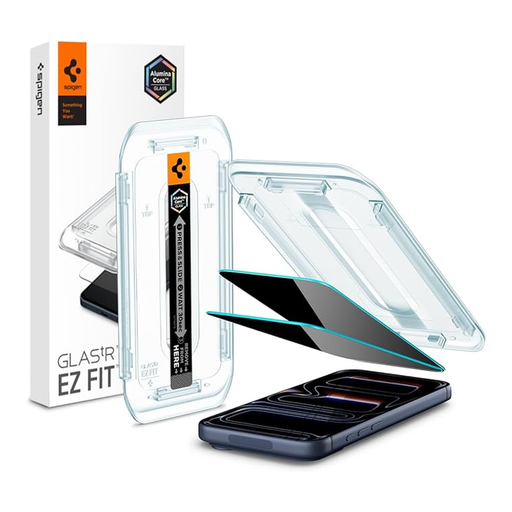
Why This Fits Their Persona: Ideal for users who commute daily on public transport and need a reliable, easy-to-install solution. The focus is on functionality and a stress-free experience.
The included EZ Fit installation frame solves the problem of a difficult installation. It ensures perfect alignment and minimises the risk of bubbles and dust.
9H hardness for reliable scratch protection. The set includes two protectors, offering excellent value for money and providing a spare.
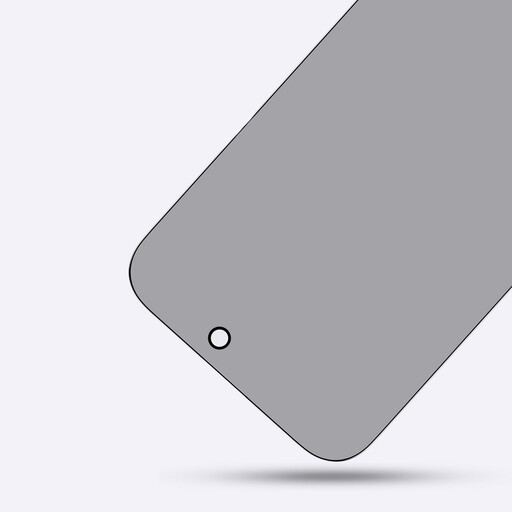
Why This Fits Their Persona: For users who value the highest quality, verifiable performance data, and advanced technology. Ideal for business use where data security is a top priority.
Instead of vague marketing terms, this product provides concrete data: a precise viewing angle of ±28°. This exposes the trap of unclear "360-degree" promises.
High durability, rated by the manufacturer to withstand up to 25 kg of pressure and drops from 1.2 m. The DefendEdge technology provides additional edge protection.
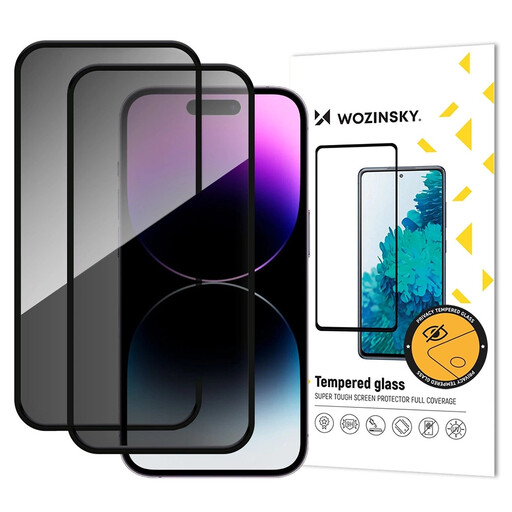
Why This Fits Their Persona: For users seeking functional privacy and scratch protection without a large budget. The two-pack offers unbeatable value.
The risk of a failed installation is mitigated by the second protector in the pack. If the first application isn't successful, you have an immediate second attempt.
Offers the essential features like an anti-spy filter and 9H hardness at a very accessible price. The reinforced frame adds extra protection to the display's edges.
We have compiled a complete, up-to-date list of products that fully meet these strict selection criteria and rigorous safety standards.
1. Does a privacy screen protector affect display brightness or colour accuracy? Yes, a slight impact is unavoidable due to the physics involved. The micro-louvers that block the side view slightly reduce light transmission, which can make the display appear a bit dimmer. This can usually be compensated for by slightly increasing the display brightness in your device settings. On high-quality products, colour accuracy is only minimally affected.
2. Does the in-display fingerprint sensor work with a privacy film? This depends on the smartphone model and the quality of the screen protector. Some privacy protectors, especially for Samsung devices with ultrasonic fingerprint sensors, are specifically optimised for it. Check the product description, which should explicitly mention compatibility with the in-display sensor. It can be helpful to re-register your fingerprint after applying the glass.
3. How do you apply a screen protector without bubbles, and what should you do if they appear? A dust-free environment is crucial for a bubble-free application. Clean the display thoroughly with the included alcohol wipe and microfibre cloth. Use the dust removal sticker immediately before placing the glass. If an installation aid is provided, use it. Apply the glass slowly from one side to the other, allowing air to escape. Smaller bubbles can often be pushed out towards the edges with a soft cloth or a squeegee. Bubbles caused by trapped dust particles are nearly impossible to remove afterwards.