
Lieferung heute & morgen

Qualitätsgarantie

Willkommens-Angebote freischalten: KOSTENLOSE Lieferung | Bis zu 80 % RABATT | Kostenlose 30-Tage-JoyPlus-Testphase
App herunterladen
On public transport, in a café, or at the office – our smartphone is a constant companion. But with every use, we expose sensitive information like passwords, banking details, or private messages to the prying eyes of those sitting next to us. A privacy screen protector promises a solution, but not every product delivers on its promise. Many users invest in an anti-spy screen protector only to find that it reduces display quality, hinders usability, or offers very little privacy.
This guide will help you avoid the most common pitfalls and make an informed decision. We'll show you which technical features really matter so you can effectively protect your display and your data.
The market for smartphone accessories is crowded. Marketing terms often obscure technical shortcomings. Pay attention to these three points to avoid a bad investment:
To make the right choice, you should focus on objective criteria. These three parameters are crucial for privacy screen protection.
The choice of material directly affects protection and feel.
The privacy feature is achieved through a special micro-louver technology. These tiny, vertically aligned louvers act like Venetian blinds, allowing light to pass through only at a specific angle.
A good privacy screen protector must be precisely cut for the specific smartphone model, such as for iPhone 16/17 or Samsung Galaxy S25. Two aspects are important here:
Based on the criteria above, we have identified some products that are suitable for specific user groups.
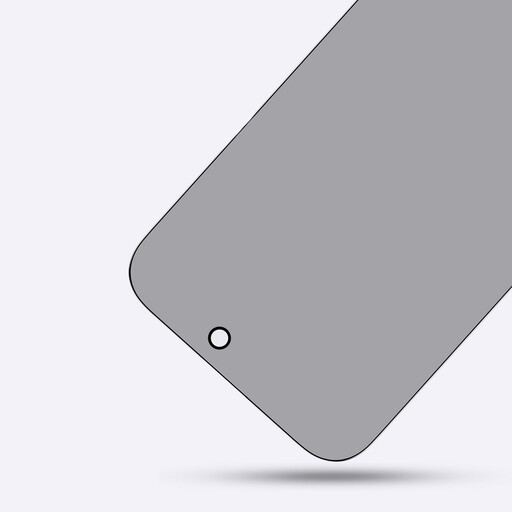
Why This Fits Their Persona: Ideal for users who commute daily on public transport and value robust protection. The glass combines effective privacy shielding with high durability for the demands of everyday life.
Instead of just advertising a 9H hardness rating, the manufacturer provides concrete stress test data: according to AmazingThing, the glass withstands up to 25 kg of pressure and drops from 1.2 metres. The ±28° viewing angle is a good compromise between privacy and your own visibility.
High Durability: The verifiable pressure and drop resistance offers more security than vague hardness claims.
DefendEdge Technology: Specifically protects the sensitive edges of the display.
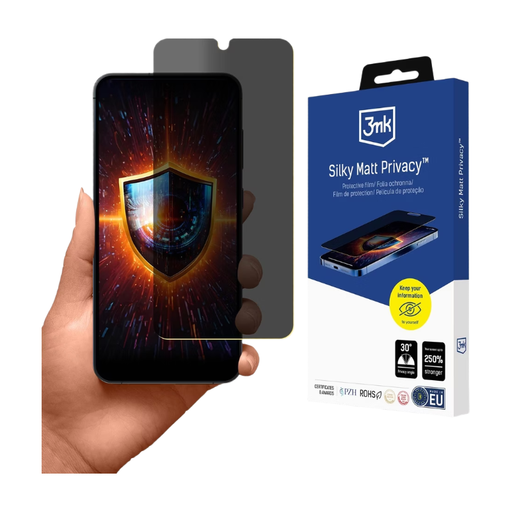
Why This Fits Their Persona: Suitable for Samsung users looking for a discreet solution that not only protects privacy but also improves daily usability by reducing reflections and fingerprints.
This product avoids the pitfall of impaired functionality. As a flexible film, it is ultra-thin and does not affect touch sensitivity. The silky-matte surface is a targeted solution against annoying fingerprints and glare, which enhances readability in daily use.
Silky-Matte Surface: Effectively reduces fingerprints and reflections, which is particularly beneficial outdoors or under office lighting.
Thin Material: Preserves the original feel and sensitivity of the display.
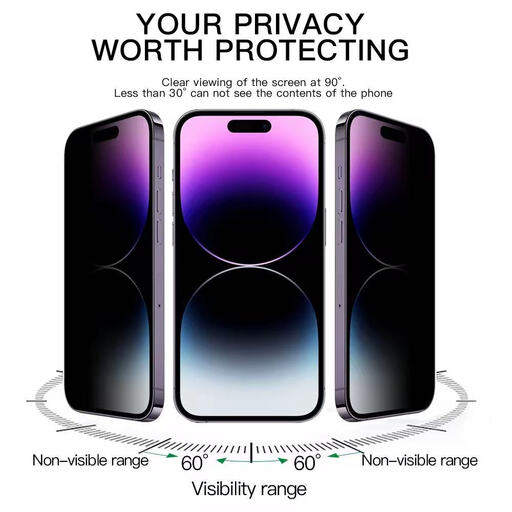
Why This Fits Their Persona: Perfect for business professionals, consultants, or anyone who works with highly sensitive data and needs uncompromising protection from prying eyes from all directions—whether on a train, plane, or in an open-plan office.
This product addresses the pitfall of an insufficient viewing angle. While most protectors only offer 2-way protection, the 360° technology ensures the screen is also shielded from views from the top and bottom. This provides the highest level of visual security.
360° Privacy Protection: Protects privacy from four directions (left, right, top, bottom), not just two.
Additional Features: Combines privacy protection with a blue light filter and an oleophobic coating to resist fingerprints.
We have compiled a complete, up-to-date list of products that fully meet these strict selection criteria.
1. Does a privacy screen protector affect display brightness or colour accuracy? Yes, some impact is unavoidable due to the micro-louver technology. The screen will appear slightly dimmer to the user. This can usually be compensated for by slightly increasing the display brightness in the device settings. With high-quality products, colour accuracy is largely maintained but may be minimally affected.
2. Does the in-display fingerprint sensor work with a privacy tempered glass? That depends on the product and the sensor technology. Some privacy tempered glass protectors are specifically optimised for compatibility with ultrasonic fingerprint sensors (like those in many Samsung Galaxy models). It is important to check the manufacturer's product description carefully. With some models, it may be necessary to re-register your fingerprint after applying the glass.