
Lieferung heute & morgen

Qualitätsgarantie

Willkommens-Angebote freischalten: KOSTENLOSE Lieferung | Bis zu 80 % RABATT | Kostenlose 30-Tage-JoyPlus-Testphase
App herunterladen
By Joybuy Product Recommendation Officer, July 22, 2026
The increasing complexity of modern vehicle electronics presents new challenges for workshops and advanced DIY mechanics. Simply reading fault codes is often no longer sufficient for a precise and efficient diagnosis. Professional diagnostic solutions that go beyond basic code reading are therefore essential for high-quality work.
This article serves as a guide. It highlights the crucial technical features that define a modern professional OBD2 diagnostic tool and presents a selection of devices with different specialisations. The goal is to provide you with a solid basis for making an informed decision when choosing the right tool.
Selecting the right diagnostic tool depends heavily on the specific needs of your business or projects. Three technical aspects are particularly relevant for a future-proof investment.
Modern vehicles, especially from manufacturers like General Motors, BMW, Volvo, or Jaguar Land Rover, are increasingly using new communication protocols.
Professional tools differ from basic scanners in their ability to actively interact with the vehicle.
A critical factor for professional use is the ability to read and process fault codes across all brands, or at least a wide range of manufacturers. Pay attention to the manufacturer's stated coverage for European, Asian, and American vehicles. Equally important is the update model: Regular software updates ensure compatibility with new vehicle models and the implementation of new diagnostic functions.
Based on the criteria mentioned, we have compiled a selection of devices that cover different requirement profiles.
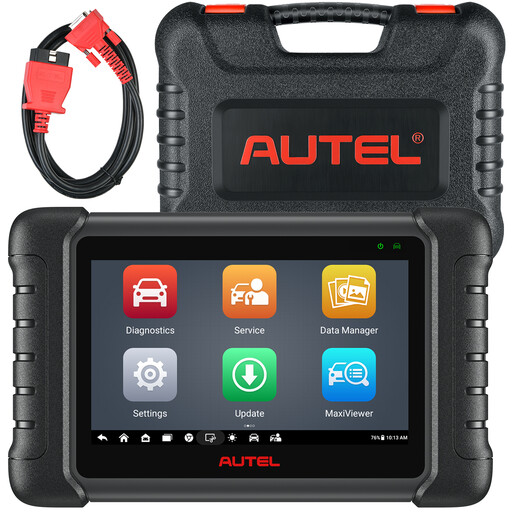
What it excels at: The Autel MX808S is a versatile automotive diagnostic tablet that combines comprehensive system diagnostics with a wide range of service functions. Its strength lies in the combination of powerful hardware (Android 11, 64 GB storage) and deep diagnostic coverage for daily workshop routines.
Advantages:
Who it's for: This device is a solid choice for independent workshops and professional mechanics who need a reliable all-in-one tool for daily diagnostic, service, and repair work on a wide variety of brands.
View the Autel MX808S on Joybuy.de
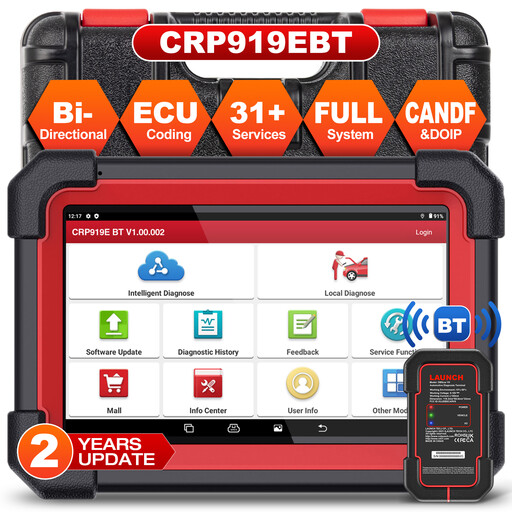
What it excels at: The LAUNCH CRP919E BT positions itself as a future-proof diagnostic tool for workshops by supporting the latest CAN FD and DOIP protocols. The wireless connection via the DBScar VII VCI adapter also offers maximum flexibility when working on the vehicle.
Advantages:
Who it's for: Ideal for forward-thinking workshops and technicians who regularly work on modern vehicle fleets and require a solution with advanced coding functions and support for the latest communication protocols.
View the LAUNCH CRP919E BT on Joybuy.de
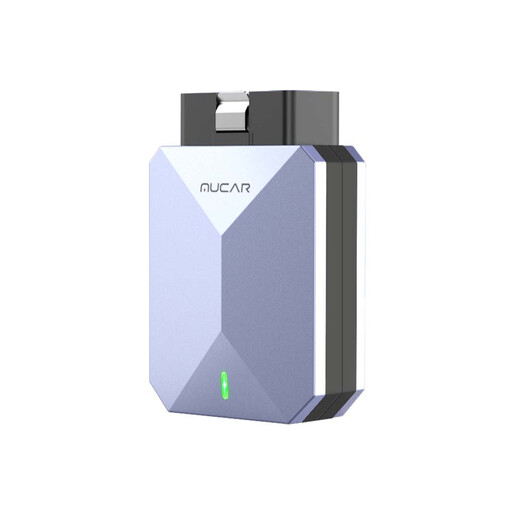
What it excels at: The MUCAR BT200 MAX is a compact Bluetooth diagnostic adapter that offers professional features in a very accessible format. A standout feature is the manufacturer's promise of lifetime free software updates for all functions and brands.
Advantages:
Who it's for: This device is an excellent option for advanced DIY mechanics, mobile technicians, or as a quick secondary tool in a professional workshop. It appeals to users who want extensive functionality without the high initial cost of a tablet-based system.
View the MUCAR BT200 MAX on Joybuy.de
The products presented here represent only a fraction of the available diagnostic solutions. Every workshop and every user has individual needs. If you want to compare more devices or search for specific functions, you will find a broader selection in our main category.
Discover Our Entire Range of Automotive OBD Tools
A basic OBD2 scanner is primarily designed to read and clear generic fault codes (DTCs) from the engine control unit. A professional OBD2 diagnostic tool offers much greater functional depth. It can access all control units installed in the vehicle (e.g., ABS, Airbag, Transmission, A/C), display live data from sensors in real-time, reset service intervals (Service Reset Tool), actively control components (bi-directional control), and re-code control units (ECU Coding).
Whether you need these protocols depends on the vehicles you work on. CAN FD has been increasingly used in vehicles from General Motors, Ford, and other manufacturers since around 2020. DOIP is particularly relevant for diagnostic and programming tasks on newer models from BMW (F/G chassis), Volvo, Jaguar, and Land Rover. For a workshop that services a broad and modern fleet, supporting both protocols is an important investment in future-proofing.
Software updates are of critical importance for professional use. They not only ensure compatibility with the latest vehicle models that come to market each year but also provide bug fixes, stability improvements, and often new diagnostic functions for older vehicles. A device without regular updates quickly loses its value as it cannot keep pace with the technological evolution of vehicles.