
Lieferung heute & morgen

Qualitätsgarantie

Willkommens-Angebote freischalten: KOSTENLOSE Lieferung | Bis zu 80 % RABATT | Kostenlose 30-Tage-JoyPlus-Testphase
App herunterladen
Probiotic products come as capsules, gummies, drinks and skincare formulations. That can make the choice seem wider than it really is at first glance: a food supplement for your gut isn’t directly comparable with a face cream. And the term ‘probiotic’ alone tells you little about a product’s ingredients, dosage or how to use it.
If you’re looking to buy, start by deciding what you need it for. Are you looking for probiotics for your gut, probiotic skincare or a convenient format such as gummies or drinks? The criteria below will help you distinguish marketing claims from product information you can verify.
Capsules and foods often list bacterial cultures such as Lactobacillus or Bifidobacterium. What matters, however, is the specific species or strain, the amount stated and the recommended intake. Skincare products, on the other hand, list fermented ingredients or ferment filtrates in their INCI list. These products are for external use and are not a substitute for probiotic capsules.
A product containing several individual packs may seem good value at first glance. To compare products properly, work out the price per serving, the number of capsules or gummies, and the net volume. For drinks, you should also take the sugar content into account. A small bottle may be convenient, but it can contain significantly more sugar per 100 ml than you might expect.
Fermented skincare may contain a variety of ferment filtrates, ceramides, panthenol or plant oils. Even so, the whole formula matters if you have sensitive skin. Fragrance, alcohol and other potentially irritating ingredients may be relevant. Try a new product on a small area of skin first and stop using it if you experience redness, itching or a burning sensation.
For food supplements, the label should ideally include the following:
For skincare, the INCI list is key. A hyaluronic acid serum or moisturiser with probiotics may contain ingredients such as Sodium Hyaluronate, ceramides or ferment filtrates. These ingredients serve different cosmetic purposes: hyaluronic acid binds water in the formula, while ceramides are part of the lipid structure of skincare. A claim such as ‘strengthens the skin barrier’ should be understood as a cosmetic product benefit, not a medical promise.
Probiotic capsules are suitable if you prefer a clearly measured daily serving. Check the recommended amount and whether the capsules need to be stored in a dry place or refrigerated.
Probiotic gummies are easy to take with you and don’t need water. However, check the sugar, sweeteners and gelling agents, as well as the actual amount of cultures per serving.
Probiotic drinks are ready to consume. If they contain milk or soya, it’s important to check the allergen information. Serving size and sugar content should also be part of your price and product comparison.
For your skin, options include serum mists, essences, gels and creams. A mist suits a light routine or a quick refresh during the day. A cream is better suited to the final step in your skincare routine, while a serum or essence goes underneath other products.
Storage instructions are a useful indicator of product quality. Store food supplements as directed on the packaging: in a dry or cool place, or away from direct sunlight. For skincare, check the shelf-life information and batch number on the packaging, as formulations can change.
If you have a medical condition, allergies or specific dietary requirements, or take medication regularly, check with a healthcare professional before choosing a food supplement. Probiotics are not a substitute for a balanced diet or medical treatment.
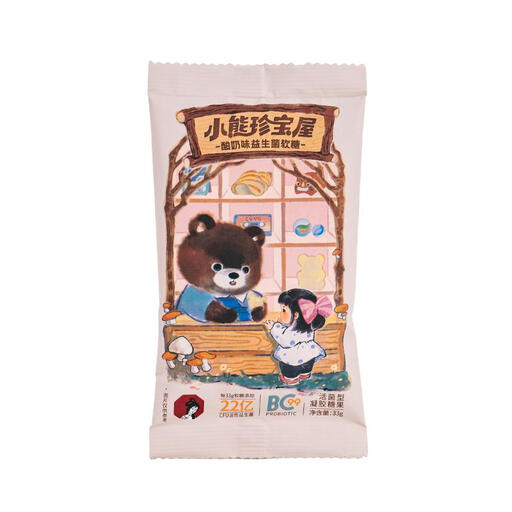
Why this product suits this profile: The single 33 g pack is an easy way to try probiotics in gummy form. The ingredients list includes Weizmannia coagulans and Lactobacillus acidophilus.
The single pack keeps it simple to get started. Sugar, glucose syrup and gelling agents are clearly listed in the ingredients.
Compact format; clear ingredients list including lactic acid cultures.
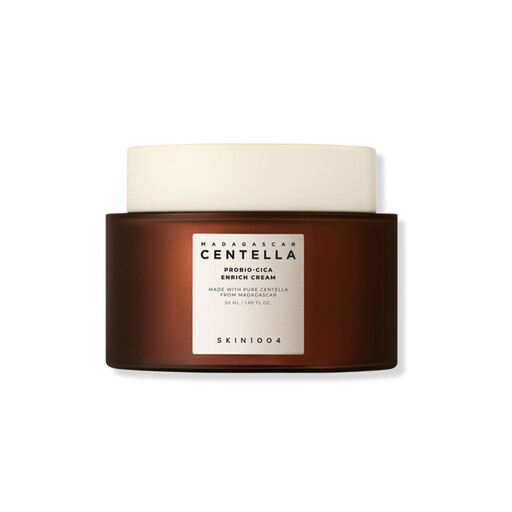
Why this product suits this profile: This cream combines fermented centella, ceramides, panthenol and plant oils. It’s designed for a richer skincare routine for dry or sensitive skin.
The full product description lists the key ingredients and notes that the formula contains no artificial fragrances or colourants.
50 ml cream with Ceramide NP, fermented centella and Sodium Hyaluronate.
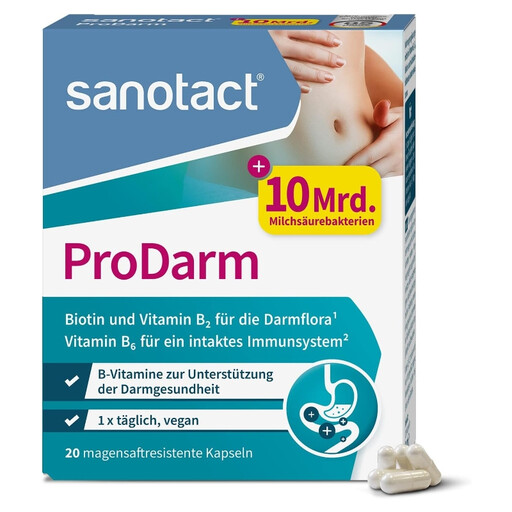
Why this product suits this profile: These capsules are designed for people who prefer a measured serving. The product lists three cultures, 10 billion live cultures per capsule, and vitamins B2 and B6, plus biotin.
The amount of cultures and the three named strains are clearly stated. The product is also described as vegan, gluten-free and lactose-free.
Gastro-resistant capsules; 20 capsules and clear usage instructions, according to the product description.
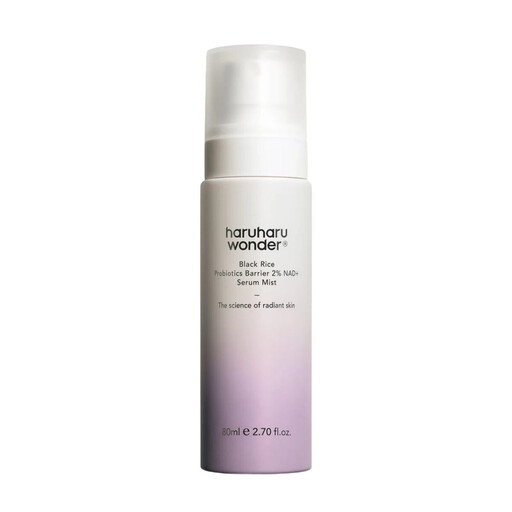
Why this product suits this profile: The fine mist can be used between skincare steps or on the go. According to the product information, it contains ferments, ceramides, panthenol and 2% NAD+, among other ingredients.
The INCI list specifically names ferment filtrates and ceramides. If you have sensitive skin, it’s still a good idea to do a patch test before using it regularly.
80 ml spray format; easy to use over make-up or between skincare steps.
We’ve put together a complete, regularly updated list of products that meet these strict selection criteria and fully comply with the safety regulations in force in the EU.
The best-before date and storage conditions are shown on the packaging. Moisture and heat can affect the quality of capsules. Use skincare products according to the shelf-life information and, once opened, within the recommended period.
It depends on what matters most to you. Capsules usually provide a clearly measured serving and are often sugar-free. Gummies are easier to chew, but depending on the formula, they may contain sugar, syrup or gelling agents. So compare the amount of cultures, the ingredients and the price per serving.
Many formulas are marketed for sensitive skin, but there’s no general guarantee that they’ll suit everyone. Check the full INCI list, do a patch test and, to begin with, avoid using several potentially irritating active ingredients in new products at the same time. If symptoms persist, seek advice from a dermatologist.