
Lieferung heute & morgen

Qualitätsgarantie

Willkommens-Angebote freischalten: KOSTENLOSE Lieferung | Bis zu 80 % RABATT | Kostenlose 30-Tage-JoyPlus-Testphase
App herunterladen
Dry, tight or easily irritated skin doesn’t automatically need as many skincare products as possible. With probiotic skincare, the key is to find the right match between the formula, your skin type and how you use it. Serums, ampoules, essences and gels can differ considerably in texture, fragrance and the moisturising ingredients they contain.
Terms such as ‘probiotic’, ‘microbiome skincare’ and ‘fermented ingredients’ don’t, on their own, tell you much about how suitable a product is for everyday use. Cosmetics often contain ferments or lysates, which aren’t necessarily live microorganisms. What matters is the full INCI list and how these ingredients are combined with humectants, soothing ingredients or lipids.
A milky ampoule may feel comfortable on dry skin, while a lightweight gel may fit better into the routine of someone with dehydrated skin that’s prone to blemishes. On the other hand, a very watery toner may not be enough on its own if your skin is very dry. If you focus only on a product being described as ‘intensive’, you could end up with a texture that feels sticky or pills under sun protection and make-up.
Even a formula promoted as gentle may contain fragrance, plant extracts or several active ingredients. If your skin is reactive, check the INCI list first and test any new product on a small area of skin. Stop using it if you experience burning, a rash, swelling or persistent irritation, and seek advice from a dermatologist if needed.
If you want to strengthen your skin barrier, don’t look for a probiotic alone. It’s worth checking the full formula:
A probiotic formula won’t automatically suit every skin type. The product description also doesn’t always state the concentration of individual ingredients.
Typical ingredients in moisturisers for dry skin include glycerin, hyaluronic acid or sodium hyaluronate, betaine and beta-glucan. A hyaluronic acid gel usually feels lightweight and can be used under a cream. An ampoule containing ceramides, oils or lecithin, on the other hand, offers a richer texture.
Here’s a practical guide to choosing a texture:
A fragrance-free formula may make it easier to choose a product for sensitive skin. However, this doesn’t automatically rule out irritation. Check the pack size too: 30 ml is a good way to try a product, while 50 ml to 95 ml will usually last longer with daily use. Check the expiry date and batch number on the packaging.
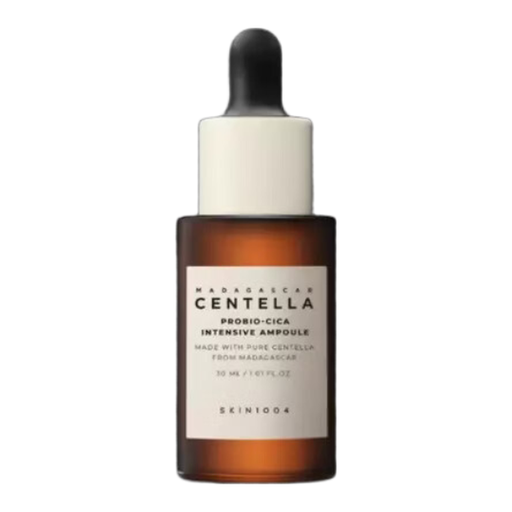
Why it suits this profile: The 30 ml size is a manageable introduction to a Centella Asiatica serum with Lactobacillus Ferment. The formula is listed as fragrance-free and contains ingredients including panthenol, ceramide NP, sodium hyaluronate and plant-based lipids.
The manageable pack size reduces the risk of buying a large amount of rich skincare that doesn’t suit you. The ingredients list also makes it easy to check for anything you know your skin doesn’t tolerate.
30 ml; Lactobacillus Ferment; Centella Asiatica; ceramide NP; panthenol; listed as fragrance-free in the product description.
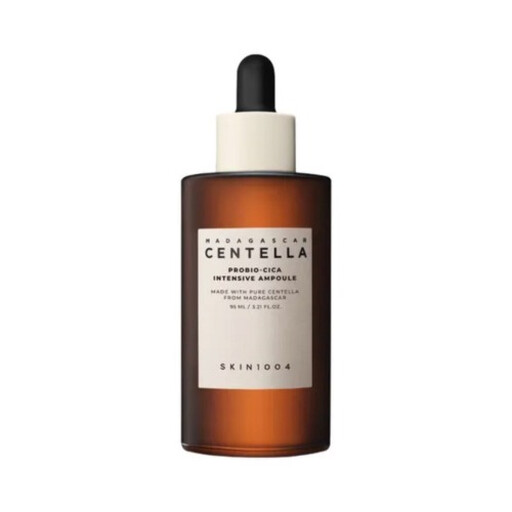
Why it suits this profile: The generous 95 ml ampoule is for anyone looking to use a nourishing texture regularly after cleansing and toning. Ingredients listed include fermented Centella Asiatica extract, ceramide NP, betaine, allantoin and panthenol.
Rather than relying on the term ‘probiotics’ alone, you can assess the formula by looking at its range of complementary moisturising and lipid ingredients.
95 ml; fermented Centella Asiatica extract; ceramide NP; glycerin; panthenol; for use on the face and neck.
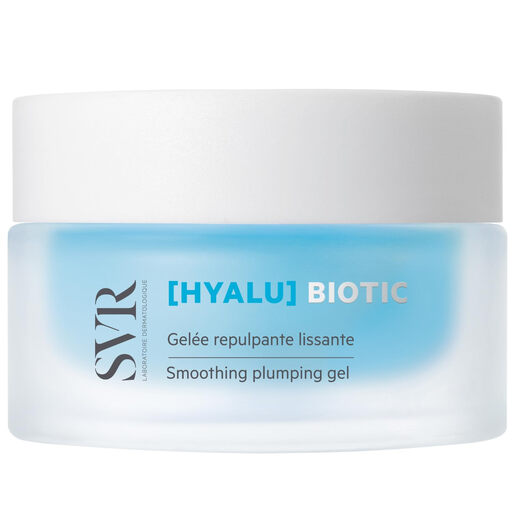
Why it suits this profile: This gel is designed for morning and evening use and combines Lactobacillus Ferment, sodium hyaluronate and a vitamin C derivative. Its lightweight gel texture may suit normal, dry or sensitive skin.
The product details clearly state its format, suitable skin types and key ingredients. This makes it easier to check whether a lightweight gel will work with the cream you already use.
50 ml; gel texture; Lactobacillus Ferment; sodium hyaluronate; according to the product information, free from parabens, polyethylene glycol and silicones.
We’ve put together a complete, regularly updated list of products that meet these strict selection criteria and the safety regulations in force in the EU.
If your skin is dry, applying a second thin layer may work better than using a large amount of product. Using several highly active products at the same time can make your routine more complicated.
It depends on the full formula and how well your skin tolerates it. Ferments, panthenol, glycerin or Centella Asiatica may be included in soothing facial skincare. However, fragrance, propolis or certain plant extracts may not suit everyone. It’s therefore a good idea to test the product on a small area of skin first.
These terms aren’t consistently regulated and brands use them in different ways. A serum usually refers to skincare with a concentrated formula and a light to medium texture. An ampoule can also be a serum, but it’s often marketed as a particularly targeted or richer type of product. The key things to check are the INCI list, texture, pack size and directions for use.
Follow the period-after-opening symbol on the packaging, the stated expiry date and the manufacturer’s storage instructions. Store skincare in a cool, dry place away from direct sunlight. If the smell, colour or consistency changes noticeably, stop using the product.