
Same-day & Next-day Delivery

Quality Guaranteed

Unlock Your Welcome Offers: FREE Delivery | Up to 80% OFF | Free 30-day JoyPlus trial
Download the APP
By Joybuy Product Recommendation Officer, July 29, 2026
It's a familiar story: The weekly grocery run is done, and the fridge is stocked with fresh fruit and vegetables. But after just a few days, the strawberries lose their flavour, the lettuce wilts, and the carrots turn rubbery. Food waste is not only costly but also an ecological problem. A high-quality produce saver container promises a solution, but the market is overwhelming. Many products don't live up to their promises.
This guide will show you the most common pitfalls to avoid and the crucial features to look for, helping you effectively reduce food waste and find the right storage container.
Before you invest, it's important to distinguish common marketing claims from genuine product features. These three points often lead to bad buys:
To make an informed decision, you should focus on the technical features that help a storage container keep food fresh longer.
A reliable seal is fundamental. Look for systems with multiple locking clips and a surrounding silicone seal. This combination ensures a high degree of protection against air and water.
The material has a direct impact on your health and the product's durability.
For delicate fruits and vegetables, containers with active freshness technologies are worth considering. These go beyond simple sealing.
Based on the criteria mentioned, we have identified a few products suitable for different needs and households.
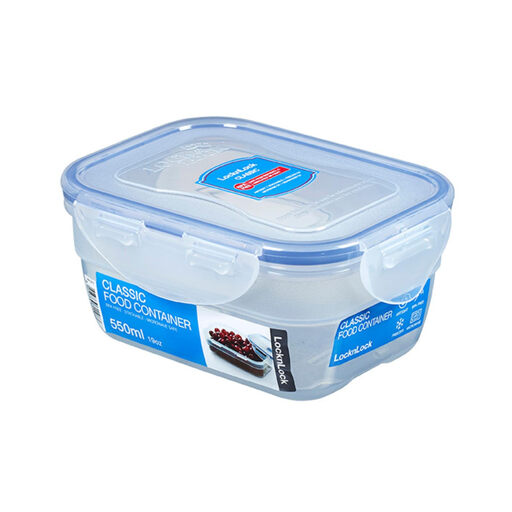
Why It's a Match: Ideal for individuals or small households looking for a reliable, all-purpose solution. Its compact size is perfect for leftovers, snacks, or a portion of cut vegetables.
Solves the problem of impractical design. The containers are both stackable and nestable, saving valuable space in the cupboard and fridge.
The patented four-sided locking system with a silicone seal ensures a 100% airtight and watertight seal. Made from durable, BPA-free polypropylene.
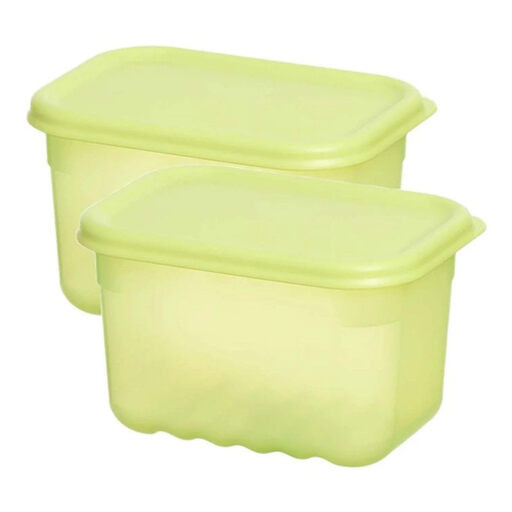
Why It's a Match: For health-conscious shoppers who buy expensive or delicate produce like berries, asparagus, or leafy greens and want to maximise their shelf life.
Debunks the myth that "airtight" alone is sufficient. This container goes a step further by actively regulating the ripening climate inside.
Features the "Breath Care Fresh Solution" for ethylene absorption. According to the manufacturer, it extends the freshness of fruits and vegetables by up to 31 days. Its antibacterial properties have been tested by SGS.
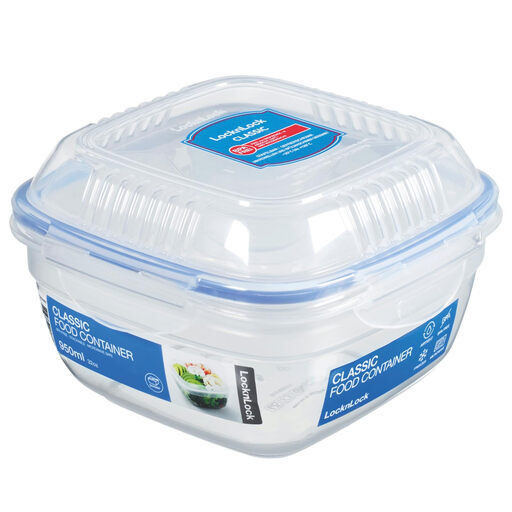
Why It's a Match: The perfect solution for anyone who doesn't want to give up a fresh, crisp salad for lunch at the office or on the go.
Solves the problem of soggy salad. By separating wet and dry ingredients, everything stays fresh until it's time to eat. This is a specialised salad saver box.
Includes a separate topping tray and a small dressing container. This keeps lettuce, croutons, and dressing separate, so the salad is only mixed just before eating.
We have compiled a complete, up-to-date list of products that fully meet these strict selection criteria and safety regulations.
1. How do you clean produce savers properly to avoid odours and stains? Rinse the containers with cold water immediately after use before cleaning them with warm water and dish soap. This helps prevent pigments (e.g., from carrots) from setting into the material. For stubborn odours, letting the container soak overnight with a mixture of water and vinegar or baking soda can help. Most high-quality containers are dishwasher-safe; check the manufacturer's instructions for this.
2. Are all BPA-free containers suitable for the microwave and freezer? No, not necessarily. BPA-free is a health and safety feature, but it doesn't say anything about temperature resistance. Look for the symbols or manufacturer's notes indicating microwave and freezer suitability. As a rule, the lid should be removed or at least opened when heating in the microwave to allow steam to escape.
3. What is the difference between airtight and vacuum-sealed storage containers? An airtight container prevents the exchange of air and moisture with the outside environment. A vacuum-sealed container goes a step further: the air is actively removed from the container (usually with a pump). For daily storage of fruits and vegetables in the refrigerator, a good airtight container with climate control is often more practical and sufficient. Vacuum-sealed containers are better suited for long-term storage of dry foods like coffee or nuts.