
Lieferung heute & morgen

Qualitätsgarantie

Willkommens-Angebote freischalten: KOSTENLOSE Lieferung | Bis zu 80 % RABATT | Kostenlose 30-Tage-JoyPlus-Testphase
App herunterladen
Pigmentation, dark patches on the face and post-blemish marks can have many causes. UV radiation, skin blemishes, hormonal changes or visible marks left after inflammation can all affect your complexion. However, anyone looking for suitable products for pigmentation will quickly come across sweeping claims such as “visible results immediately”, “for all skin types” or “maximum skin brightening”. Such promises are no substitute for checking the full INCI list and the application instructions.
Niacinamide, vitamin C, alpha-arbutin and tranexamic acid for pigmentation are often prominently advertised. What matters, however, is whether the ingredient is present in a meaningful amount and where it appears in the ingredients list. A percentage such as 5% niacinamide or 2.5% tranexamic acid makes the product easier to assess. If no percentage is given, it is difficult to judge the product’s strength.
A rich cream may feel comfortable on dry skin, but can feel heavy on oily or blemish-prone skin. Conversely, a lightweight serum may need additional moisturising care if you have dry, sensitive skin. Fragrances, essential oils, acids and vitamin A derivatives are not automatically suitable for every routine either.
Brightening products are not a substitute for sun protection. UV radiation can affect the development and visibility of discolouration. For this reason, your morning routine should be followed by a broad-spectrum sunscreen with at least SPF 30. Skipping this step can make it harder to maintain a consistent skincare routine.
A serum for pigmentation or an ampoule can be used as a concentrated skincare step beneath a cream. A cream for pigmentation, on the other hand, can provide the final stage of your routine and help lock in moisture. Gel textures often suit combination and oily skin, while creams containing shea butter, ceramides or squalane may be more suitable for dry skin.
Introduce new products into your routine one at a time. This makes it easier to see how your skin reacts. Stop using the product if you experience redness, swelling, itching or persistent burning. Products should not be applied to open wounds, active eczema or severely irritated skin. The current ingredients list on the packaging is the authoritative reference, as formulations may change.
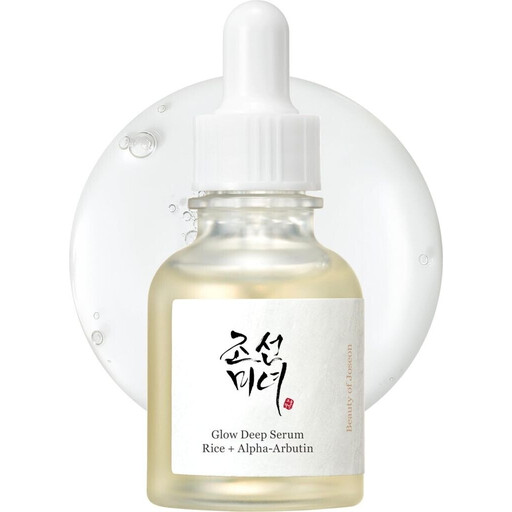
Why this product suits this profile: This 30ml serum combines alpha-arbutin and niacinamide in a lightweight formula. Apply two to three drops after cleansing and before moisturising.
The ingredients list clearly names the two advertised active ingredients and avoids an unclear combination of actives.
30ml contents, clear application instructions and a water-based, glycerine-containing formula.
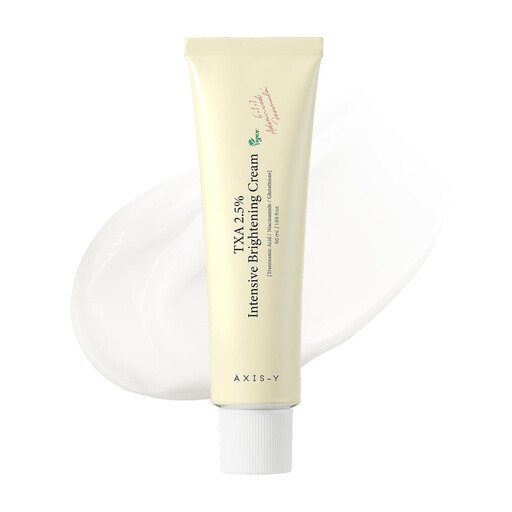
Why this product suits this profile: The product description states that the cream contains 2,5% tranexamic acid and niacinamide. Ceramide NP, panthenol and hyaluronic acid complement the formula.
The concentration of tranexamic acid is stated. The manufacturer also recommends using sun protection with SPF 30 or higher.
50ml contents, a cream texture, plus ceramide NP and panthenol in the INCI list.
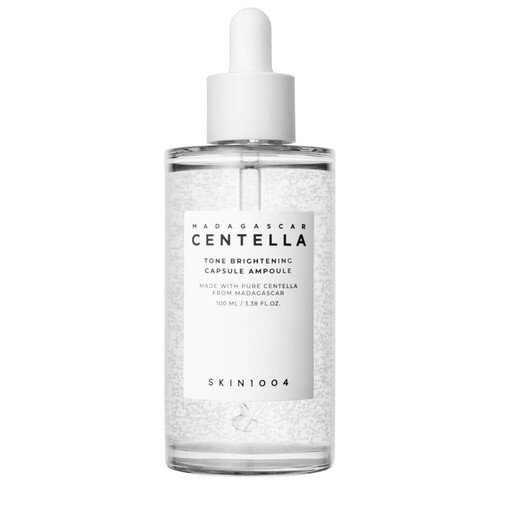
Why this product suits this profile: The 100ml ampoule is ideal for users who prefer a larger quantity for their daily morning and evening routine. The listed ingredients include niacinamide, tranexamic acid and Centella asiatica extract.
The product details name the key active ingredient groups and specify an application of two to three drops each time.
100ml contents, a lightweight ampoule texture and storage guidance below 25 °C.
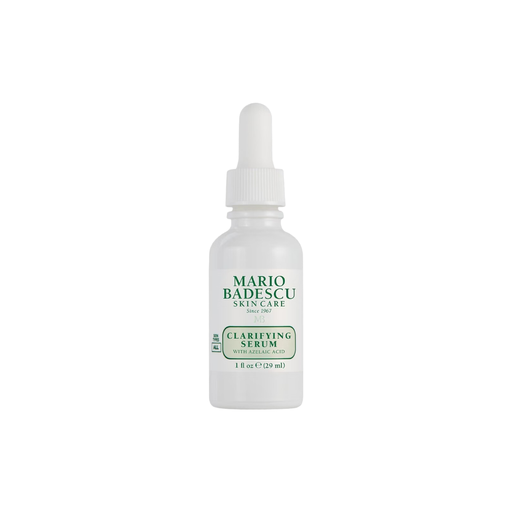
Why this product suits this profile: This serum contains azelaic acid, a probiotic and prebiotic complex, and aloe vera juice. Apply three to four drops after cleansing.
The product is expressly not recommended for severely damaged or flaky skin. This makes important usage restrictions clear.
29ml contents, azelaic acid and clear guidance to carry out a patch test beforehand.
We have put together a complete, regularly updated list of products that fully meet these strict selection criteria and the safety regulations applicable in the EU.
Cosmetic skincare routines can be tailored towards a more even complexion. Depending on your skin type, options may include niacinamide, vitamin C, alpha-arbutin, tranexamic acid or azelaic acid. It is important to introduce products gradually, use sufficient sun protection and take your skin’s individual tolerance into account. New, changing or unclear patches should be assessed by a dermatologist.
There is no fixed timeframe that applies to every product. The formulation, condition of your skin and consistent use in accordance with the packaging instructions are key. Do not assess your routine after just a few days, and avoid combining several intensive active ingredients at the same time if your skin is sensitive or reactive.
Yes, provided the products are well tolerated and you follow the application instructions. The usual order is: cleanse, apply serum or ampoule, then cream, followed by sun protection in the morning. With vitamin A derivatives, acids or several brightening active ingredients, it is sensible to start slowly. If irritation occurs, simplify your routine and seek dermatological advice if necessary.