
Lieferung heute & morgen

Qualitätsgarantie

Willkommens-Angebote freischalten: KOSTENLOSE Lieferung | Bis zu 80 % RABATT | Kostenlose 30-Tage-JoyPlus-Testphase
App herunterladen
Sensitive skin does not react in the same way for everyone. Tightness, dryness, redness or a burning sensation can occur after cleansing, shaving or using a new product. Parents looking for baby skincare for sensitive skin also want straightforward formulas and clear instructions for use.
However, some marketing claims can easily lead to the wrong choice. The word “Sensitive” alone is not a reliable way to choose a product. What matters is the full ingredients list, the intended area of use and how well the product suits your skin.
When choosing skincare for sensitive skin, check the INCI list before you buy. Consider what your skin tolerates and whether the product contains fragrance, alcohol or essential oils. Claims such as “silicone-free”, “colourant-free” or “paraben-free” describe only one aspect of the formula.
For dry skin, glycerin, panthenol, squalane, shea butter or ceramides may be useful ingredients to look for. However, their presence does not prove that a product will work for you personally. Depending on your skin type, a moisturiser for sensitive skin may be best as a light gel-cream or a richer body cream.
A face cream is not automatically suitable for the eye area or broken skin. When choosing a soothing face cream or barrier skincare, follow the instructions on use and storage, including any warnings against applying the product to damaged skin.
For babies, use baby skincare for sensitive skin sparingly. Products suitable from birth should be clearly labelled as such. For skin that is dry or prone to redness, a short ingredients list is often easier to assess than a very complex formula.
When choosing a razor for sensitive skin, the number of blades, lubricating strip, pressure and direction of shaving all affect how it feels to use. Shaving foam for sensitive skin can reduce friction while shaving, but it is no substitute for a careful technique. Choose an aftershave for sensitive skin that is suited to what your skin tolerates.
For toothpaste for sensitive teeth, check the fluoride content, age guidance and instructions for use. Tooth sensitivity can have various causes, so if it persists, consult a dentist. Intimate care for sensitive skin is for external use only and should be used as directed on the product. Harsh cleansing or washing too often can put extra strain on the skin.
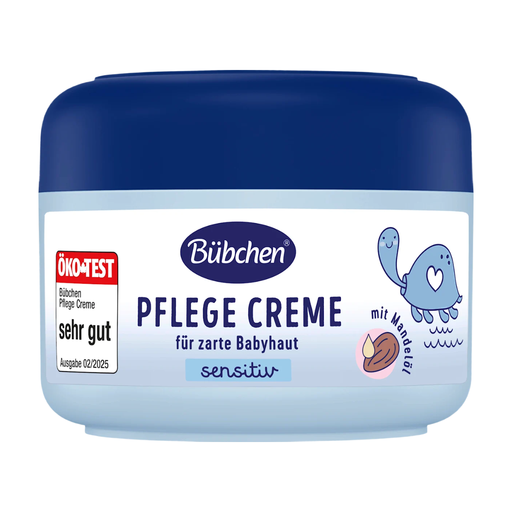
Why this product suits this profile: The 75 ml tub is suitable for simple daily facial skincare for babies and children. The product description states that the formula is fragrance-free.
The “fragrance-free” claim helps narrow down your options, but it is still worth checking the current packaging and testing the product cautiously for compatibility.
The product information lists panthenol, almond oil, allantoin and shea butter. The cream is intended for the face and children's skin.
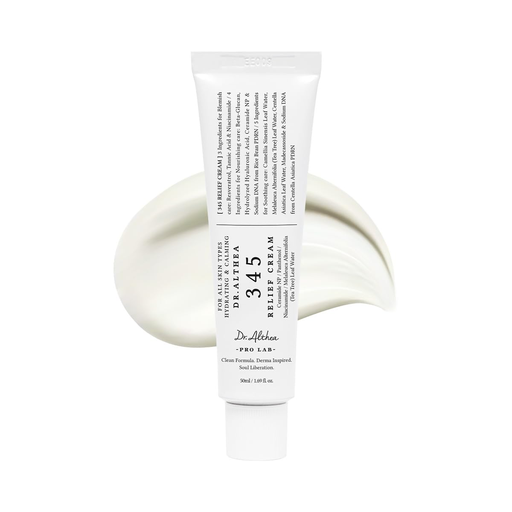
Why this product suits this profile: According to the product description, this light gel-cream is designed for sensitive, redness-prone and combination skin.
The formula is described in terms of specific ingredients. Even so, check the INCI list on the pack you receive before buying.
The stated INCI list includes ceramide NP, panthenol, niacinamide and sodium hyaluronate. The texture is described as light.
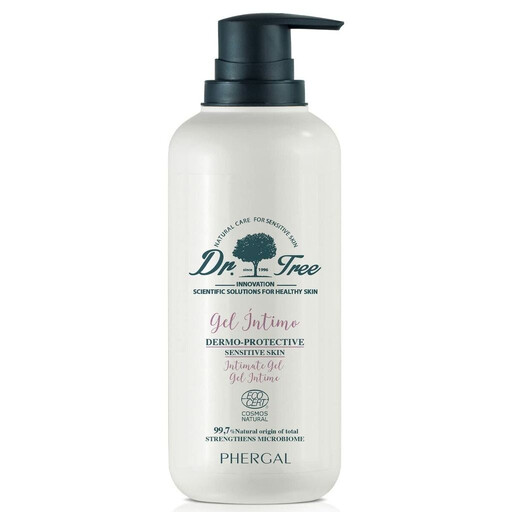
Why this product suits this profile: The 400 ml pump dispenser is designed for regular external intimate care and is easy to use in the bathroom.
The product information says to use it with water and externally. This makes it clear that it is not for internal use.
The stated ingredients and features include a 400 ml size, prebiotics, aloe vera gel and glycerin.
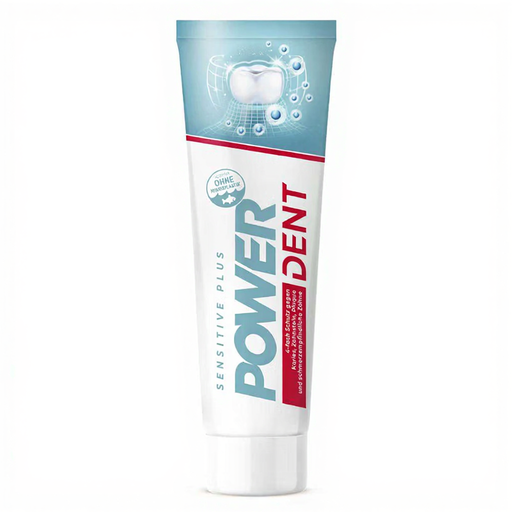
Why this product suits this profile: This toothpaste is intended for adults and lists a fluoride content of 1.450 ppm.
The age guidance and fluoride content are specific details to check, helping you avoid accidentally choosing an adult formula for a child.
The product description states that it contains 1450 ppm fluoride and should be used twice daily in a pea-sized amount.
We’ve put together a complete, regularly updated list of products that meet these strict selection criteria and fully comply with the safety regulations in force in the EU.
A suitable routine often consists of gentle cleansing and a cream or lotion with moisturising and emollient ingredients. What matters is how well your skin tolerates the product, its texture and avoiding products you do not need. The word “Sensitive” alone is not enough to help you choose.
This depends on the product. Check the best-before date or the open-jar symbol showing the number of months. Changes in smell, colour, consistency or packaging may be a reason to stop using a product. For razor blades, how long they last depends on how often you shave, hair thickness and how smoothly the razor glides.
No. Dermatologically tested means that a skin compatibility test was carried out under defined conditions; it does not mean that the product is suitable for everyone. If you know your skin is sensitive, carefully check the ingredients list, intended area of use and the latest information on the packaging.