
Lieferung heute & morgen

Qualitätsgarantie

Willkommens-Angebote freischalten: KOSTENLOSE Lieferung | Bis zu 80 % RABATT | Kostenlose 30-Tage-JoyPlus-Testphase
App herunterladen
Thinning hair, more hair in your brush and shower, or a visibly more exposed scalp can quickly lead to impulse purchases. The range of products for hair loss extends from caffeine shampoo and hair growth serum to scalp serum, hair loss ampoules and food supplements. However, these product types differ considerably in terms of how they are used, their ingredients and the cosmetic effects you can realistically expect.
As a Joybuy Product Recommendation Officer, I assess market information according to transparent criteria. The key question is not whether a product makes an extravagant advertising claim, but whether it suits your scalp, your daily routine and the results you want to achieve.
A serum can make hair look better cared for, more manageable or fuller. A shampoo can cleanse the scalp and contain specific conditioning ingredients. However, this does not automatically mean that it treats a medical condition or a particular type of hair loss.
If you experience sudden, severe or patchy hair loss, pain, inflammation or persistent itching, it is advisable to seek a dermatological assessment. Cosmetic products are not a substitute for a diagnosis or doctor-prescribed treatment.
Terms such as caffeine, biotin, peptides and plant extracts stand out in advertising. Nevertheless, you should consider the complete INCI list when making your purchasing decision. Concentration details, application instructions and the time the product remains in contact with the scalp are also important.
A shampoo is rinsed out after a short leave-in time. A leave-in serum or tonic, on the other hand, remains on the skin for longer. These two product types are therefore not directly comparable.
Biotin for hair and zinc are common ingredients in capsules. However, food supplements are not a substitute for a balanced diet. The recommended daily dose must not be exceeded. If you already take several supplements, check for overlapping amounts of zinc, vitamin A or other micronutrients.
If you have a sensitive scalp, it is worth checking for perfume, menthol, essential oils, alcohol, sulphates and declared fragrance allergens. A fragrance-free product may be more practical for some users, while others may prefer a cooling or refreshing texture.
Individual intolerances are also possible with plant extracts. Before using the product fully for the first time, a small patch test in accordance with the instructions on the packaging is recommended. Stop using the product if redness, burning or itching persists.
The pack price alone says little about ongoing costs. Compare:
A 200 ml shampoo will be used differently from a 60 ml serum applied daily. With ampoules, the number of individual portions can be compared directly.
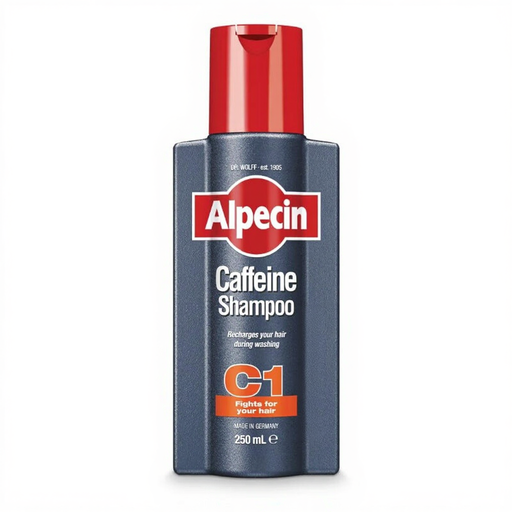
Why this product suits this profile: A classic shampoo for users who want to enhance their existing hair-washing routine without adding extra leave-in steps. According to the product description, it should be left on for two minutes.
The application instructions and leave-in time are clearly stated. Nevertheless, it remains a rinse-out shampoo and should not be equated with a medical hair growth treatment.
250 ml content, caffeine listed in the INCI and a silicone-free formula according to the product details.
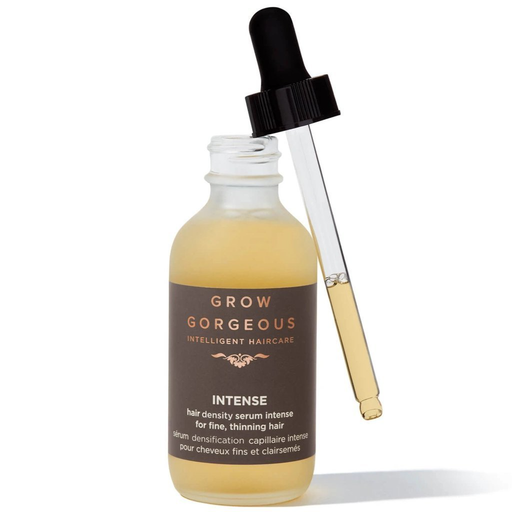
Why this product suits this profile: Suitable for people with fine or flat-looking hair who want to incorporate a water-based leave-in serum into their daily scalp-care routine.
The product description identifies it as a cosmetic serum for hair that looks fuller, rather than as a medicine for hair-loss conditions.
60 ml, daily use without rinsing, plus caffeine, hyaluronic acid and Acetyl Tetrapeptide-3 according to the product details.
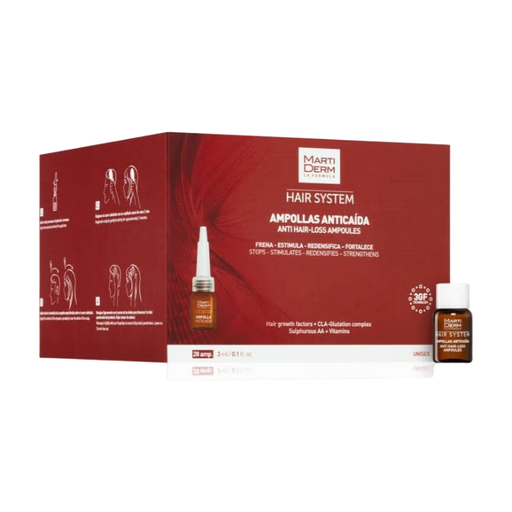
Why this product suits this profile: Individual 3 ml portions are ideal for users who prefer a clearly defined application on a clean, dry scalp.
The pack contains 28 clearly defined ampoules. This makes usage easier to plan than with a bottle whose dosage is unclear.
Topical solution for all hair types according to the product description; Biotinil, oleanolic acid, apigenin and the HGFX3 complex are listed.
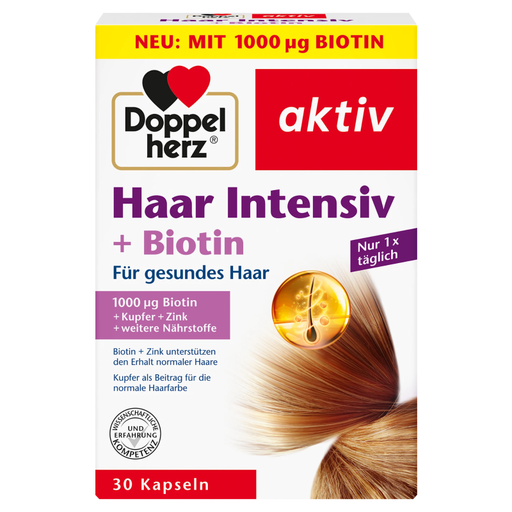
Why this product suits this profile: For adults who would like to consider a food supplement with a set daily intake instead of a serum applied externally.
The pack states that one capsule should be taken daily and advises not to exceed the recommended amount. It is not a substitute for a balanced diet.
The quantities of biotin, zinc, copper and several B vitamins are stated. Before taking it, consider any other supplements you use and your individual needs.
We have put together a complete, regularly updated list of products that fully meet these strict selection criteria and the safety regulations applicable in the EU.
Most leave-in products are applied directly to the dry or towel-dried scalp, section by section. The serum is then distributed with your fingertips and gently massaged in. The precise dosage depends on the label. With fine hair, a smaller amount may be advisable so that the roots do not feel weighed down.
This depends on the contents, dosage and frequency of use. A shampoo containing 200 to 250 ml can last several weeks when used sparingly. With a scalp serum, the number of drops applied each day determines how long it will last. Ampoules are easier to plan because they contain individual portions. Also check the expiry date stated on the packaging and the recommended period of use after opening.
Not automatically. They can supplement targeted intake of certain nutrients, but they are not a universal hair growth treatment. The information on biotin, zinc and other ingredients should be considered alongside your diet and any other supplements you take. If you experience severe or unusual hair loss, seeking medical advice is more important than making an impulse purchase.