
Lieferung heute & morgen

Qualitätsgarantie

Willkommens-Angebote freischalten: KOSTENLOSE Lieferung | Bis zu 80 % RABATT | Kostenlose 30-Tage-JoyPlus-Testphase
App herunterladen
Pigmentation, age spots, sun spots and dark acne marks can make your skin tone look uneven. When searching for products for pigmentation, many claims sound similar: “glow”, “brightening” or “lightening” often take centre stage, while important details are only revealed in the small print.
So your choice shouldn’t be based on the brand name or percentage alone. What matters is the active ingredients, daily UV protection, how well the product suits your skin and whether it fits realistically into your routine.
A serum for pigmentation may contain active ingredients such as niacinamide, alpha-arbutin, tranexamic acid or vitamin C derivatives. However, it doesn’t automatically protect you from UVA and UVB rays. Without consistent sun protection, sun-induced discolouration may become more pronounced.
For your morning routine, a day cream with SPF 30 or SPF 50 or a separate broad-spectrum sun protection product is a sensible choice. Your sun protection factor should suit your daily UV exposure, even when it’s cloudy.
Niacinamide serums, alpha-arbutin serums and products with tranexamic acid are often advertised with specific concentrations. More of an active ingredient may be appealing for some skin types, but it can also trigger a stronger reaction in sensitive skin or skin prone to blemishes.
Test new products on a small area of skin first. Stop using the product if you experience burning, redness, itching or swelling. Skincare products are also not intended to assess unusual or changing marks on the skin.
A mask or tinted day cream can make your skin look smoother, more even or fresher straight away. This cosmetic effect is different from longer-term skincare results. Claims about visible results should always be viewed as the manufacturer’s claims, and depend on factors such as your skin’s starting point, how you use the product and your UV exposure.
For a day cream with SPF 30 or SPF 50, make sure the stated sun protection factor suits how you’ll use it. A fluid often feels comfortable under make-up, while a richer cream may fit better into the routine of someone with dry skin. A tinted version can also provide instant cosmetic coverage.
Sensitive skin may react to fragrance, Alcohol Denat., essential oils, acids or certain preservatives. That doesn’t mean these ingredients are unsuitable for everyone. However, if your skin is prone to irritation, opt for a simple routine and avoid introducing several new products with active ingredients at the same time.
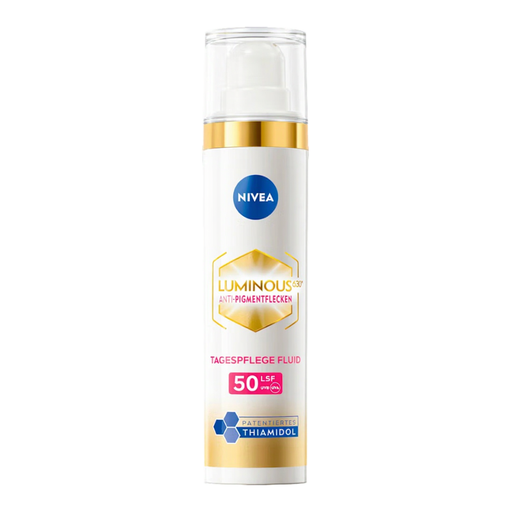
Why this product suits this profile: This fluid combines SPF 50 day care with Thiamidol and moisturising ingredients such as hyaluronic acid and vitamin E. It’s a good fit if you want to keep your morning routine as short as possible.
The built-in SPF 50 reduces the risk of buying only an active-ingredient serum and forgetting UV protection. The product information also lists fragrance, which is worth bearing in mind if you have sensitive skin.
SPF 50, lightweight fluid, Thiamidol, hyaluronic acid and vitamin E in one day cream.
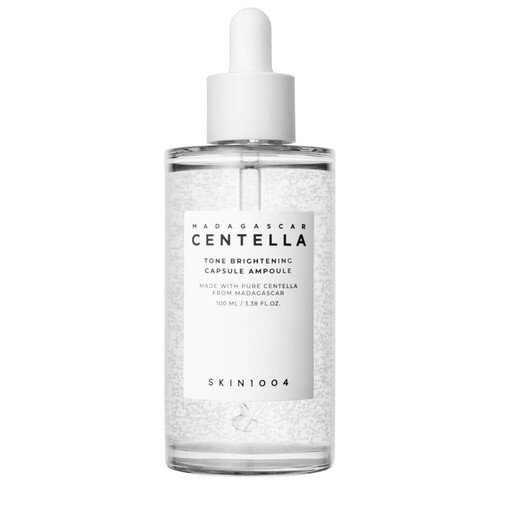
Why this product suits this profile: According to the product description, this Korean skincare product combines niacinamide, tranexamic acid and Centella asiatica extract. Its lightweight ampoule texture is designed to be applied after cleansing and toner.
The active ingredients are clearly identified, rather than the product being described only with a vague “glow” claim. You’ll still need to use a separate sun protection product.
100 ml, lightweight texture, niacinamide, tranexamic acid and Centella asiatica extract.
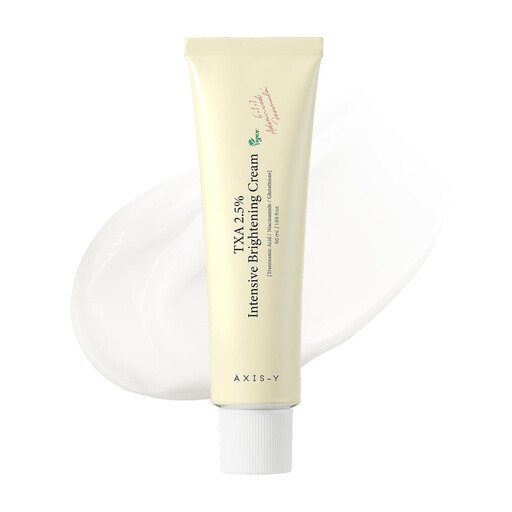
Why this product suits this profile: According to the product information, this cream contains 2.5% tranexamic acid, niacinamide, panthenol and ceramides. It can be used as the final step in your skincare routine morning and evening; additional sun protection is recommended during the day.
This cream isn’t positioned as a substitute for UV protection. Its stated tranexamic acid concentration makes it easier to compare with products that simply claim to be “brightening”.
50 ml, 2.5% tranexamic acid, niacinamide, ceramides and hyaluronic acid.
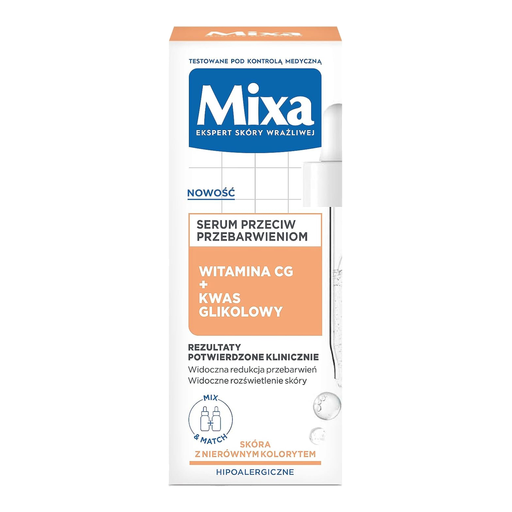
Why this product suits this profile: This serum combines niacinamide, a vitamin C derivative and glycolic acid. It’s aimed at anyone looking to add a single facial serum for hyperpigmentation to their existing moisturising routine.
The product description clearly lists the acids it contains. If you have sensitive skin, introduce it gradually; sun protection is especially important during the day.
A combination of niacinamide, ascorbyl glucoside, glycolic acid and sodium hyaluronate.
A simple routine is usually easier to stick to:
Masks, such as a brightening sheet mask, can be used as an extra step, but they don’t replace daily skincare or sun protection. If you have pronounced marks, marks that appear suddenly or marks that are changing, it’s a good idea to seek advice from a dermatologist.
We’ve put together a complete, regularly updated list of products that meet these strict selection criteria and fully comply with the safety regulations in force in the EU.
Skincare products generally need to be used regularly over several skin cycles. Some manufacturers specify particular timeframes, but these claims won’t apply to everyone. Taking photos in the same lighting conditions can help you assess changes objectively.
It depends on the formulation and how well your skin tolerates it. If you have sensitive skin, it’s best to introduce just one targeted product at first. If you experience burning or persistent redness, simplify your routine and seek medical advice if needed.
They serve different purposes in your daily routine: a serum provides selected skincare ingredients, while sun protection shields your skin from UV rays. If you don’t want the sun to make pigmentation more noticeable, don’t skip UV protection in the morning.