
Lieferung heute & morgen

Qualitätsgarantie

Willkommens-Angebote freischalten: KOSTENLOSE Lieferung | Bis zu 80 % RABATT | Kostenlose 30-Tage-JoyPlus-Testphase
App herunterladen
A high-quality professional electric food slicer is more than just a kitchen appliance for slicing. It's a statement of freshness, quality, and culinary enjoyment. Anyone who has tasted paper-thin prosciutto, perfectly uniform bread slices, or precisely cut vegetables straight from their own kitchen understands the difference. However, the path to finding the right appliance is often paved with marketing promises and hidden flaws. Many models turn out to be poor investments that cause more frustration than joy.
As your Joybuy Product Recommendation Officer, I'm here to help you identify the features that truly matter. This guide will show you how to avoid common buying traps and find a machine that meets your standards for precision and durability.
Before we dive into the technical details, let's shed light on the three most common reasons why many food slicers disappoint in daily use.
To avoid the problems mentioned above, you should carefully examine three core aspects before making a purchase. These define the performance and longevity of a good electric food slicer.
Stability is the foundation for every precise cut. There are clear quality differences here:
A strong, reliable motor is essential. Pay attention not only to the wattage but also to the motor type.
The right blade for the right food is crucial for the final result.
Based on the quality criteria mentioned, we have identified a few models that offer a suitable solution for different user profiles.
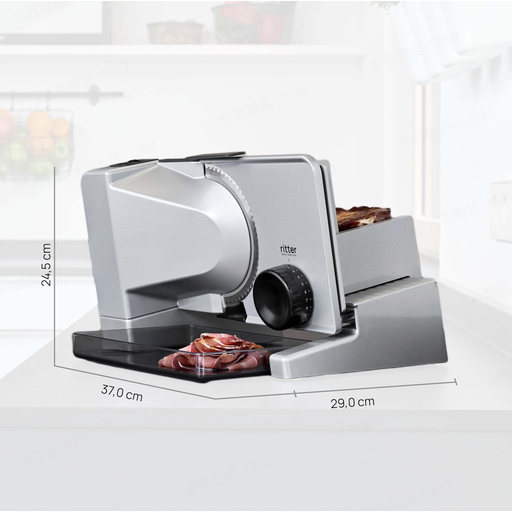
Why it fits: For those who accept no compromises. The combination of a full-metal inclined carriage, a powerful DC motor, and two included blades (serrated and smooth ham blade) meets professional standards for the home kitchen. Quality "Made in Germany".
The solid full-metal construction prevents any instability. The DC motor delivers constant power without overheating, and the separate ham blade ensures perfect, clean cuts for delicate cold cuts.
Electronic speed control for full command over the food being sliced and two specialized blades included for maximum versatility.
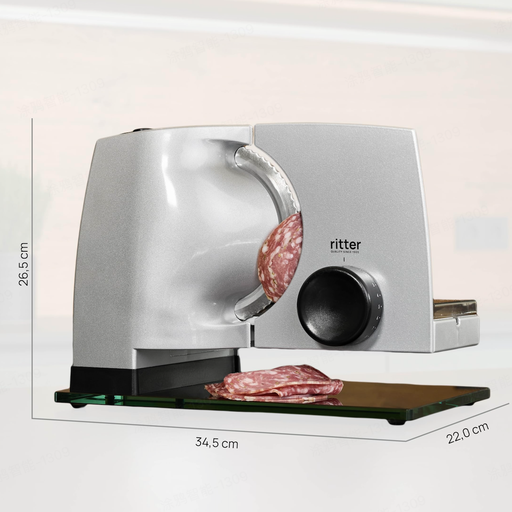
Why it fits: Ideal for daily use. The cantilevered metal construction is not only stable but also extremely easy to clean. The ECO motor is economical and reliable for bread, cheese, and vegetables. A design highlight "Made in Germany".
The solid metal construction provides the necessary stability that pure plastic devices lack. The motor is designed for home use and operates reliably without overloading.
The cantilever design allows you to catch the sliced food directly on a platter placed underneath, which significantly simplifies cleaning and serving.
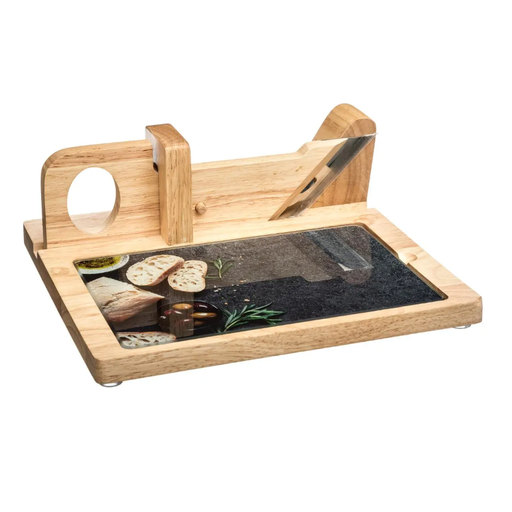
Why it fits: A manual yet effective alternative for those who mainly slice cured meats and cheese for snacks or charcuterie boards. It requires no electricity, is compact, and combines slicing and serving functions.
This model bypasses the typical problems of cheap electric devices (weak motor, unstable guide) with a purely manual, robust lever mechanism. It focuses on one job and does it reliably.
A combination of a charcuterie slicer and a serving board. Ideal for social gatherings, space-saving, and maintenance-free.
We have compiled a complete, up-to-date list of products that fully meet these strict selection criteria and German safety regulations.
Proper cleaning is crucial for hygiene and longevity. Always unplug the appliance before any cleaning. Many high-quality models allow for easy disassembly of the main parts. The carriage, blade cover plate, and often the blade itself can be removed. Check the manufacturer's instructions to see which parts are dishwasher-safe. The housing itself should be wiped down with a damp cloth and mild dish soap.
For users who value precision and durability, the answer is a clear yes. A full-metal food slicer is a long-term investment. The increased stability leads to consistently better slicing results and thus less food waste. The robust construction ensures a lifespan of many years, whereas plastic models often lose their precision after only a short time.
Technically, it's possible, but the result is not optimal. The serrated blade tends to tear the fine fibers of cured ham or delicate sausage rather than cutting through them cleanly. The cut edge will appear slightly frayed. For paper-thin and smooth slices like those from a professional deli, a slicer with a ham blade (smooth edge) is the far better choice.