
Lieferung heute & morgen

Qualitätsgarantie

Willkommens-Angebote freischalten: KOSTENLOSE Lieferung | Bis zu 80 % RABATT | Kostenlose 30-Tage-JoyPlus-Testphase
App herunterladen
The search for a professional karaoke system can quickly become overwhelming. The market is flooded with devices that promise impressive features but often fail to deliver in practice. Weak sound, constantly failing microphones, or a battery that dies after a short time can ruin any party. Before you make a decision, it's crucial to understand the common pitfalls to avoid a wasted investment.
This guide focuses on the objective criteria that define a high-quality system, helping you distinguish marketing hype from genuine performance features.
Many buyers focus on superficial features and overlook critical technical details. Three problems are particularly common:
To make an informed decision, you should focus on three core technical areas. These define the quality and versatility of a system.
Sound quality depends not only on the wattage but primarily on the design of the speaker system. Look for the following features:
The microphones are the heart of any karaoke experience. Here are the deciding factors:
For flexible use, independence from the power grid is crucial.
Based on the criteria above, we have identified some products that are well-suited for specific user groups.
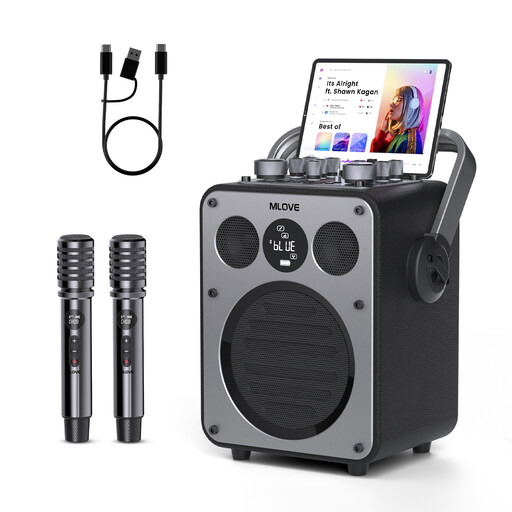
Why This Fits Their Persona: This system is a complete karaoke set for adults and musicians. It combines a powerful, portable PA system with all the necessary connections for parties, small gigs, or busking.
It bypasses the common pitfalls with two stable UHF wireless microphones, a large 10,000 mAh battery for 10-12 hours of runtime, and a dedicated guitar input. The 200-watt output is cleanly delivered through a 5-inch subwoofer and two 2-inch tweeters.
Dual-channel control for separately adjusting microphone and instrument effects (reverb, bass, treble). USB-C OTG function for direct live streaming to a smartphone.
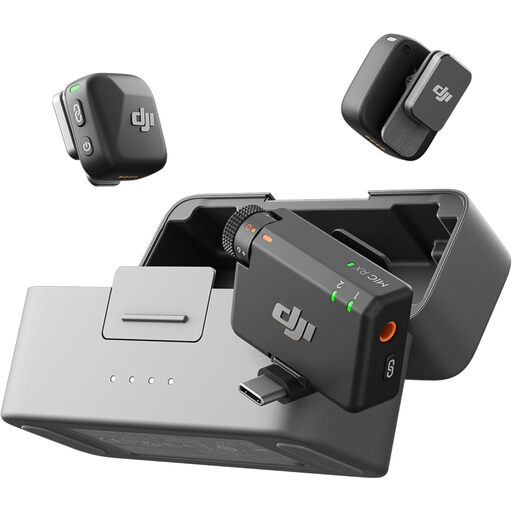
Why This Fits Their Persona: For users who want to not only perform live but also record their vocal or instrumental performance in high quality for vlogs or social media. This is the ideal companion to a party system with a recording function.
Instead of relying on the often basic recording function of karaoke systems, this system provides a professional, external solution. It solves the problem of low-quality audio recordings with detailed sound and effective noise cancellation.
Extremely lightweight and discreet. The charging case enables a very long usage time of up to 48 hours. The automatic gain control prevents clipped or distorted recordings.
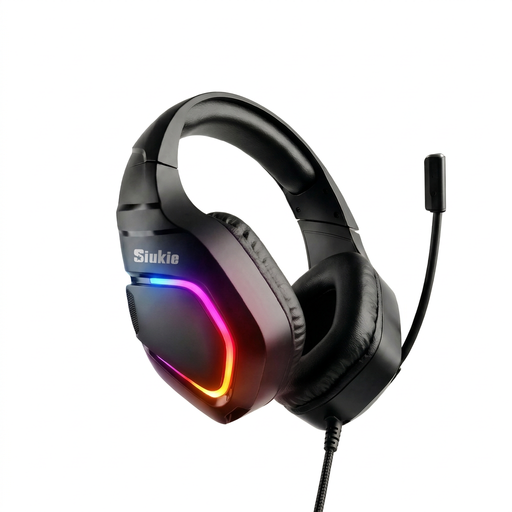
Why This Fits Their Persona: Ideal for singers and musicians who want to practice their performance or mix their sound directly without disturbing others. Many karaoke systems (like the Mlove D5) have a headphone output for this exact purpose.
Instead of bothering the neighbours with loud practice sessions, this headset enables focused, silent practice. It provides direct, uncoloured audio feedback to hear your own voice and the instrumental playback with precision.
Flexible connection options via USB and 3.5mm jack make it compatible with almost any device. The over-ear design helps to passively isolate ambient noise.
We have compiled a complete, real-time list of products that fully satisfy these strict selection criteria and UK safety regulations.
RMS (Root Mean Square) is the crucial specification. It describes the continuous, realistic power that a speaker can deliver without distortion. PMPO (Peak Music Power Output) is a theoretical peak value that is only reached for milliseconds and serves as a marketing tool. Base your purchasing decision exclusively on the RMS value.
Yes, absolutely. Every modern karaoke system is essentially a powerful Bluetooth speaker with a microphone function. You can use it at any time without the microphones to stream music from your smartphone, tablet, or laptop, whether in the garden, living room, or on the go.
For private use within your own home or at private parties, you do not need a license. However, if you use the system for public performances with commercial intent (e.g., as a busker or at public events), you may need to pay licensing fees to the relevant performance rights organisation for playing copyrighted music. In this case, check directly with your local authority or organisation (like the PRS and PPL in the UK) about the applicable rates and conditions.