
Lieferung heute & morgen

Qualitätsgarantie

Willkommens-Angebote freischalten: KOSTENLOSE Lieferung | Bis zu 80 % RABATT | Kostenlose 30-Tage-JoyPlus-Testphase
App herunterladen
For professional auto repair shops and enthusiast mechanics, a high-performance diagnostic tool is not a luxury, but a necessity. Given the increasing complexity of modern vehicles, simply reading fault codes is often no longer sufficient. In-depth system analyses, control unit adaptations, and active tests are crucial for performing repairs efficiently and precisely.
This article serves as a guide. It highlights the essential features you should look for when choosing a professional OBD2 diagnostic tool and presents a selection of models with different areas of focus. The goal is to provide you with an informed basis for your decision, based on objective functions and technical specifications.
The market offers a multitude of devices with widely varying feature sets. To find the right tool for your requirements, the following criteria are particularly important.
To be called a professional fault code reader, a device needs to do more than just display and clear Diagnostic Trouble Codes (DTCs). The key is advanced diagnostic capabilities that allow for active interaction with the vehicle.
Broad vehicle coverage is essential for independent workshops. Check whether the device supports the European, Asian, and American brands relevant to your business. Equally important is compatibility with modern vehicle network protocols. A CAN FD & DoIP Scanner is future-proof, as it supports the higher data rates of newer vehicle architectures (e.g., in recent GM, Land Rover, or Jaguar models).
The software of a diagnostic tool must be updated regularly to cover new vehicle models and functions. There are two common models:
Based on the criteria mentioned, we have compiled a selection of devices that are suitable for professional use due to their range of functions and technical features.
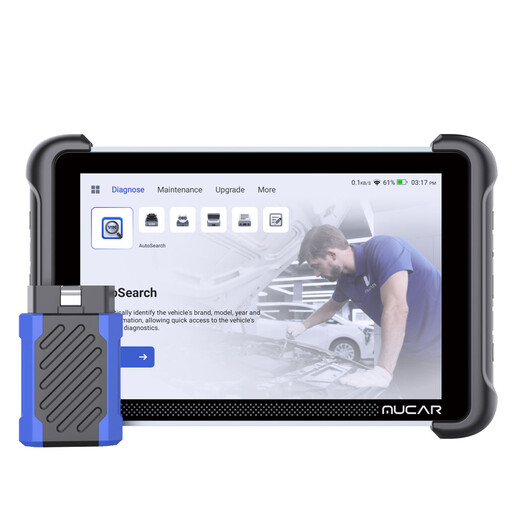
What sets it apart: The MUCAR 892BT positions itself as a cost-effective solution by offering lifetime free updates. This eliminates ongoing subscription fees, making it an economical choice for workshops and technicians.
Pros:
Who is it for: This device is a great choice for independent workshops and technicians looking for a powerful all-system car diagnostic tool while minimising long-term operating costs by avoiding subscriptions.
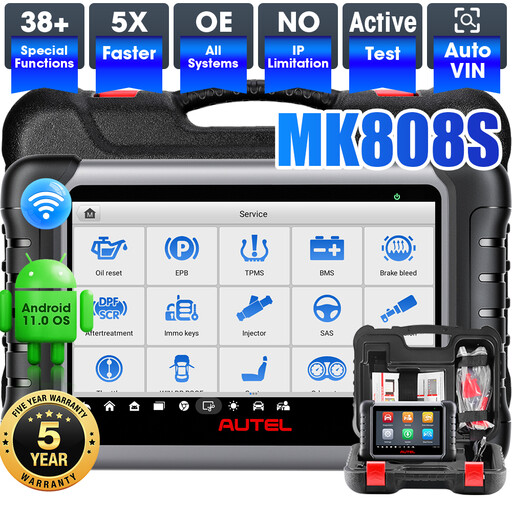
What sets it apart: The Autel MaxiCOM MK808S is an established model that, in its 2024 version, has been upgraded with improved hardware and the crucial function of bi-directional control. It offers a well-balanced package of diagnostic and service functions.
Pros:
Who is it for: This diagnostic tool is ideal for mechanics and workshops who need a reliable all-around device from a well-known brand and place a strong focus on a wide range of service tasks.
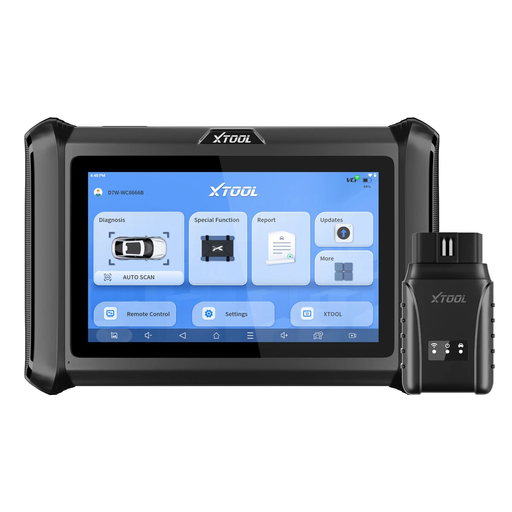
What sets it apart: The XTOOL D7W stands out with its wireless diagnostic connection and specialised functions like Programmable Module Installation (PMI) for specific brands. It offers high flexibility in daily workshop operations.
Pros:
Who is it for: This device is an excellent option for workshops that value maximum freedom of movement with a wireless diagnostic tool and require advanced programming functions for specific vehicle brands.
The models presented here cover a broad spectrum of professional requirements. However, if you are looking for devices with other specialisations or simpler adapters for specific tasks, you can find more products in our category.
? Discover our full range of OBD2 Adapters
A basic OBD2 scanner is typically limited to the legally mandated emissions-related systems (engine and transmission). It can read and clear fault codes. A professional OBD2 diagnostic tool, on the other hand, can access all control units installed in the vehicle (e.g., ABS, airbag, body electronics, climate control). It also offers advanced functions like live data analysis, bi-directional control, service resets, and ECU coding.
Yes. Functions like ECU coding or key programming are powerful tools that intervene deeply in the vehicle's electronics. Improper use can lead to malfunctions or even damage to control units. The use of these functions requires in-depth technical knowledge of vehicle systems and should only be performed by trained personnel.
The term "lifetime" usually refers to the lifespan of the device model, not that of the user. Manufacturers guarantee that the device will be supplied with updates for a long period, as long as it is technically supported. It is a common practice that offers significant cost advantages compared to annual subscriptions. However, it is advisable to check the specific terms and conditions of the respective manufacturer.