
Lieferung heute & morgen

Qualitätsgarantie

Willkommens-Angebote freischalten: KOSTENLOSE Lieferung | Bis zu 80 % RABATT | Kostenlose 30-Tage-JoyPlus-Testphase
App herunterladen
A spilled glass of juice on the new sofa, stubborn pet hair on your favourite armchair, or growing concerns about mites in your mattress – in these situations, many people reach for an upholstery cleaner. But the market is overwhelming and full of marketing promises. Choosing the wrong device often leads not only to unsatisfactory results but also to unnecessary expenses. As your Joybuy Product Recommendation Officer, I'll help you identify the typical pitfalls and make an informed decision.
Before you invest, you should be aware of the three most common marketing traps that lead to disappointment.
To find the right upholstery cleaner, focus on the following technical parameters that truly matter.
This is the most important distinction. Your choice depends directly on your primary use case.
With an upholstery washer, a dual-tank system is a must. It ensures you always clean with fresh water and that the collected dirt ends up in a separate container. Pay attention to the tank capacity (typically between 0.5 L and 1.5 L) and ensure they are easy to remove, fill, and clean. A tank that is too small requires constant refilling, which is impractical when using it as a carpet cleaner for large areas.
Some features offer real added value if they match the intended use.
Here are some models tailored to specific user profiles that avoid the pitfalls mentioned.
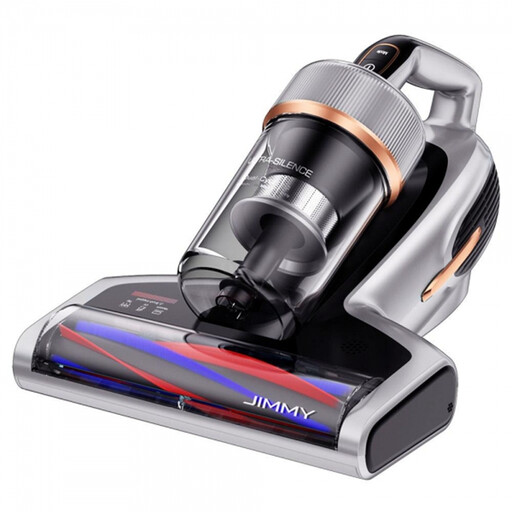
Why This Fits Their Persona: This device is specialised for the needs of allergy sufferers. It focuses on the deep cleaning of mattresses and upholstery to remove mites, their allergens, and fine dust, rather than just treating superficial stains.
It avoids the "all-in-one" trap by being a highly specialised mite vacuum. It doesn't promise wet cleaning but delivers convincing performance in allergen reduction.
The combination of 60°C hot air, UV-C light, and ultrasound technology directly targets the reduction of mites and bacteria. The intelligent dust sensor indicates the level of contamination.
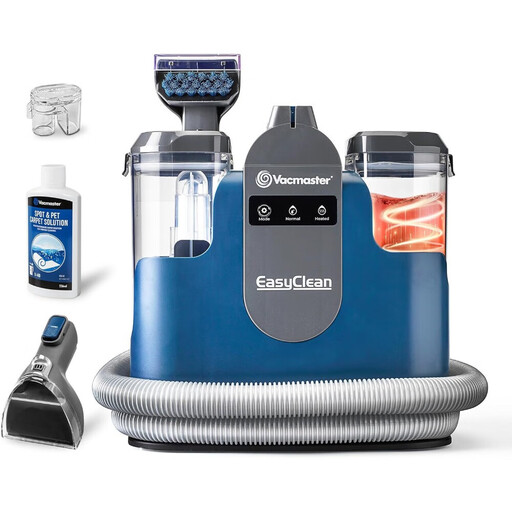
Why This Fits Their Persona: Ideal for households with children and pets where stains on upholstery, carpets, or car seats are a regular occurrence. This device is a dedicated upholstery washer designed for quick and effective stain removal.
It bypasses the trap of ignored maintenance with a self-cleaning hose attachment. The consistent dual-tank system (1.6 L fresh water, 0.95 L dirty water) ensures hygienic cleaning.
The switchable heating function increases cleaning power on stubborn stains. The 1.8 m long hose provides good reach for cleaning car seats or stairs.
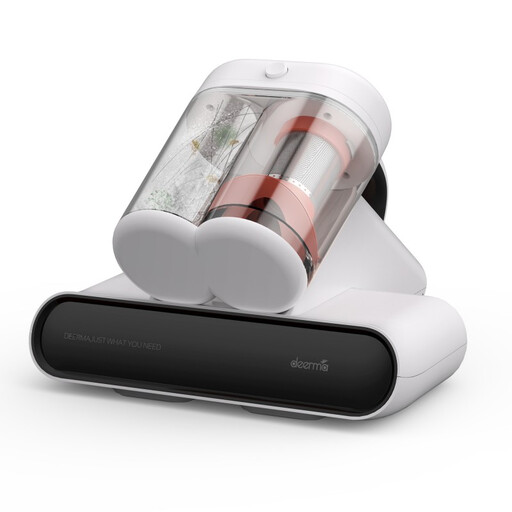
Why This Fits Their Persona: This model offers the core functions of a mite vacuum at a very accessible price. It's a great choice for anyone looking to improve hygiene in their sleeping and living areas without a large budget.
The device focuses on its core competency – dry mite removal. The innovative dual-cup system for dust-air separation ensures constant suction power and avoids the running costs of expensive special filters.
It combines four methods: 12,600 beats/min tapping function, 60°C hot air, UV-C sterilisation, and 13 kPa suction power. The large 0.6-litre dustbin reduces the frequency of emptying.
We have compiled a complete, up-to-date list of products that fully meet these strict selection criteria and German safety regulations.
1. How often should you clean a mattress with a mite vacuum? For allergy sufferers, using it every 1-2 weeks is recommended to keep allergen levels consistently low. For general hygienic maintenance, cleaning once a month is sufficient.
2. Can I use any cleaning solution in an upholstery washer? No. Only use cleaning solutions recommended by the device manufacturer or those explicitly stated as suitable for spray extraction devices. Standard household cleaners can create too much foam, which can damage the motor and void the warranty.
3. Do upholstery washers leave wet spots on the sofa? A good upholstery washer with strong suction will remove most of the moisture immediately. The upholstery will feel slightly damp afterwards, but not wet. Drying time depends on room temperature and ventilation and is typically a few hours. Always perform a colour and material test on an inconspicuous area before the first use.