
Lieferung heute & morgen

Qualitätsgarantie

Willkommens-Angebote freischalten: KOSTENLOSE Lieferung | Bis zu 80 % RABATT | Kostenlose 30-Tage-JoyPlus-Testphase
App herunterladen
A home cinema projector promises big-screen movie experiences, flexible setup options, and a modern alternative to the traditional television. But the market is flooded with technical jargon and marketing promises that often create more confusion than clarity. Before you make a decision, it's crucial to understand the typical pitfalls that can lead to a purchase you'll regret.
Many buyers invest in devices whose advertised performance proves inadequate in practice. The most common problems include:
To avoid these disappointments, it's essential to focus on the objective technical specifications that truly matter.
To make an informed choice, you should examine three core aspects. These are the primary determinants of your future projector's image quality and user experience.
A projector's brightness is crucial for determining the environment in which you can use it. Pay exclusive attention to the value in ANSI lumens, as this is a standardised measurement method. Other terms like "lumens" or "light source lumens" are often inflated and not comparable.
The native resolution indicates how many pixels the projector can physically display. This is where the biggest difference lies between budget and high-end models.
Modern projectors are more than just playback devices. Intelligent features and versatile connections make them the hub of your entertainment.
Here are some models tailored to different use cases that meet the quality criteria mentioned above.
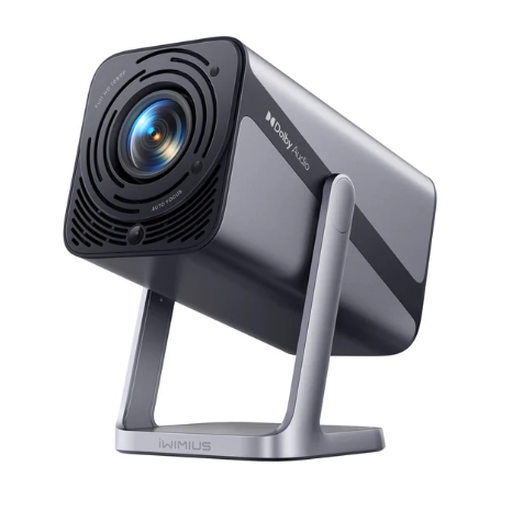
Why it's a good fit: This compact and portable projector is ideal for users who value flexibility. With its 360° adjustable stand, it can effortlessly project images onto walls or even the ceiling. Perfect for the bedroom, spontaneous movie nights, or outdoor use.
It features a built-in smart system with direct access to YouTube and Prime Video, avoiding the trap of a "dumb" smart projector with non-functional apps. Autofocus and keystone correction ensure an easy setup.
The integrated, adjustable stand and lightweight design make it an extremely versatile mini projector for use in various rooms.
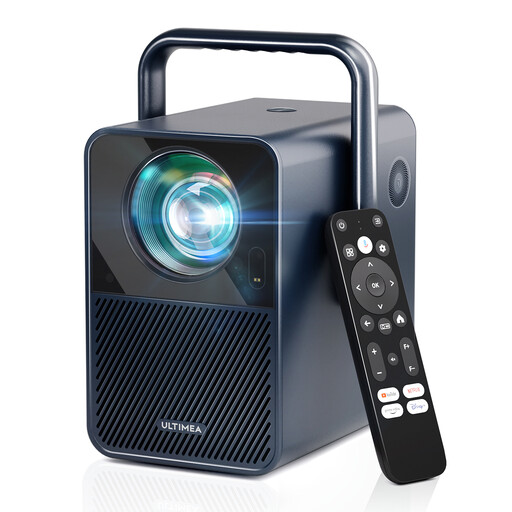
Why it's a good fit: For those who prioritise high image and sound quality. With 1000 ANSI lumens, it's bright enough for the living room, while the native 1080p resolution and Dolby Audio create an immersive cinematic experience. The Android TV 11.0 operating system also offers full app access.
This model delivers a verifiable and high brightness of 1000 ANSI lumens and features official Netflix certification. This bypasses the pitfalls of misleading brightness claims and limited smart features.
The combination of high brightness, native Full HD resolution, and a full-featured Android TV 11.0 makes it a powerful all-rounder for demanding streaming.
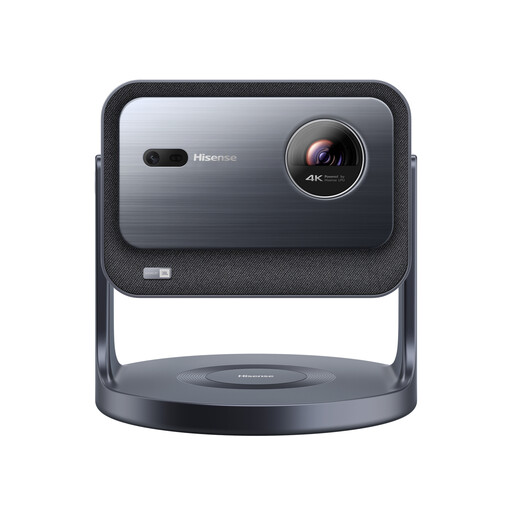
Why it's a good fit: For users who refuse to compromise on image quality. This projector offers native 4K UHD resolution, a long-lasting Trichroma laser light source, and a brightness of 2000 ANSI lumens. Dolby Vision and JBL speakers complete the premium experience.
It delivers true native 4K resolution (3840 x 2160), bypassing the "4K support" trap. The laser technology ensures precise colours and a consistently high brightness that matches the specified values.
The Trichroma laser technology enables exceptional colour reproduction and longevity not found in conventional lamp or LED projectors.
We have compiled a complete, up-to-date list of products that fully meet these strict selection criteria and safety standards.
1. How many ANSI lumens do I really need for my living room? For a typical living room that cannot be completely darkened, we recommend a minimum of 1000 ANSI lumens for good visibility. If the projector is also intended to serve as a TV replacement during the day, models with 1500 ANSI lumens or more are the better choice to ensure a vibrant, high-contrast image.
2. What is the practical difference between a native 4K projector and one with "4K support"? A native 4K projector displays an image with 8.3 million individual pixels, resulting in extremely high sharpness and detail. A projector with "4K support" has a lower native resolution (usually 1920 x 1080 pixels) and downscales the 4K source material. While the image is often better than pure Full HD, it comes nowhere near the clarity and level of detail of a true 4K projector. The difference is especially noticeable on large screens.
3. Can a projector completely replace a television? Yes, a modern smart projector can replace a television, provided the model is suitable for the task. Key factors include high brightness (at least 1500 ANSI lumens for daytime use), a fast and reliable operating system with all major streaming apps, and a long-lasting light source (LED or laser with over 20,000 hours of life). For gaming, a low input lag is also relevant. A portable projector offers the additional advantage of not permanently occupying a space in the living room.