
Lieferung heute & morgen

Qualitätsgarantie

Willkommens-Angebote freischalten: KOSTENLOSE Lieferung | Bis zu 80 % RABATT | Kostenlose 30-Tage-JoyPlus-Testphase
App herunterladen
Dry, dull or dehydrated skin may benefit from a rich propolis cream, a lightweight propolis serum or a hydrating honey-based facial skincare product. But the percentage of a highlighted ingredient isn’t the only thing that matters. The texture, full INCI list and how you use the product should all suit your skin type and existing routine.
Percentage claims may seem clear-cut, but they tell you little about how a product will feel on your skin. A product with a high propolis content could have a rich or more gel-like formula. It may also contain honey, beeswax, fragrance, essential oils or other plant extracts. If you have sensitive skin, always check the full ingredients list on the packaging.
A dewy finish can come from hydrating or film-forming ingredients. It doesn’t necessarily mean your skin is getting enough care in the long term. If your routine is designed to strengthen the skin barrier, combining hydrating ingredients with a final layer of cream is a better option than relying on a single glow product.
Korean skincare is often used in several steps. If you introduce a propolis toner, propolis serum, cream and face mask all at once, it can be difficult to work out what caused a reaction. Instead, add one product to your existing routine first and see how your skin responds.
Propolis, honey, royal jelly and beeswax are bee-derived ingredients. If you have a known allergy to bee products, avoid formulations containing them. Fragrance and essential oils may also be a concern for some people. For example, the product description for the SKINFOOD Royal Honey Propolis Enrich Toner notes that it contains essential oils and fragrance components.
If you have sensitive skin, it’s a good idea to do a patch test on a small area of skin. If you experience redness, itching, stinging or swelling, stop using the product. Cosmetics are for external use only and should not be applied to broken or severely irritated skin.
For moisturising dry skin, creamy or gel-cream textures are usually a good choice. Apply them as the final step in your facial skincare routine, after toner and serum. Lightweight ampoules and serums layer well, while a richer barrier cream may be better suited to dry areas or an evening routine.
If you’d rather not wear a heavy layer under make-up, you could choose a lightweight propolis cream. For night-time use, a propolis face mask or sleeping mask may be an option. The product description should clearly state whether you need to rinse it off or leave it on overnight.
Some manufacturers list specific concentrations, such as 50 per cent or 72.6 per cent propolis extract. These figures refer to the individual product formula and shouldn’t be taken as a general guarantee of effectiveness. For example, according to its product description, the Full Fit Propolis Synergy Toner contains 72.6 per cent propolis extract and 10 per cent honey extract. Even so, check the current ingredients on the packaging, as INCI lists may be updated between product batches.
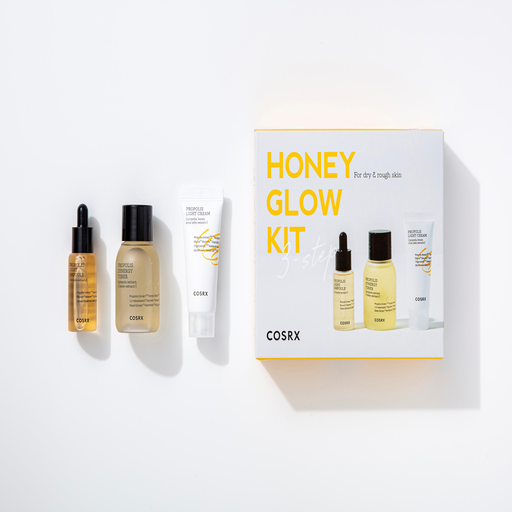
Why this product suits this profile: The set includes a toner, ampoule and cream in miniature sizes, so you can gradually try a propolis routine without buying several full-size products straight away.
The three mini products are designed to work together, making it easier to try different textures and steps before buying a larger quantity.
Includes a 30-ml toner, 10-ml ampoule and 15-ml cream; suitable for travel or trying the products for a limited time.
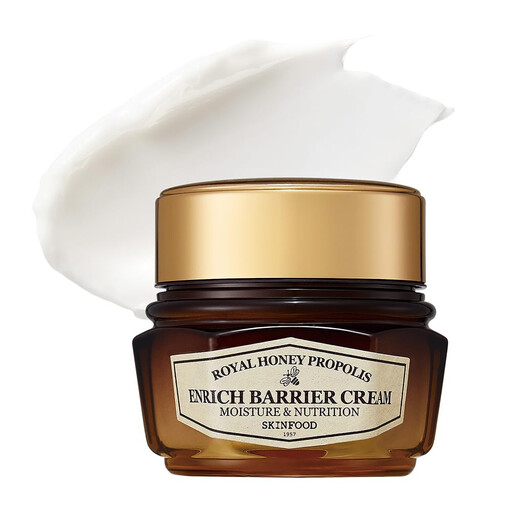
Why this product suits this profile: This rich cream may appeal if you’re looking for a final layer of care for dry skin and a nourishing evening routine.
The product description states that it contains 50 per cent propolis extract, 5 per cent royal jelly extract and 5 per cent honey extract. Check the current INCI list against the packaging before buying.
63 ml, a dense cream texture and designed to be applied after toner and serum in the morning or evening.
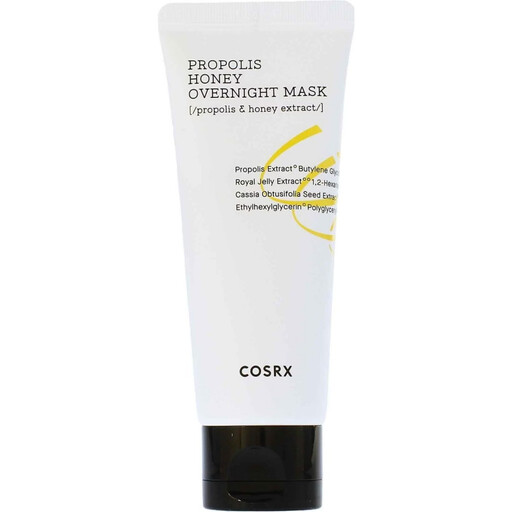
Why this product suits this profile: This sleeping mask is designed for anyone looking to add an extra skincare step to their evening routine once or twice a week.
The recommended use of once or twice a week helps you avoid treating the mask as an automatic daily substitute for your entire facial skincare routine.
60 g, a gel texture and ingredients such as panthenol, allantoin and adenosine, according to the product description.
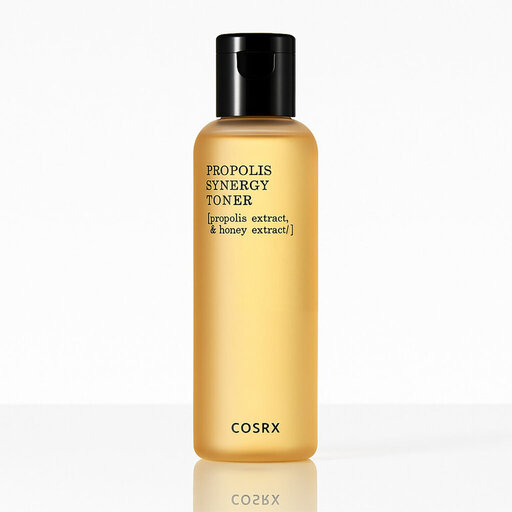
Why this product suits this profile: The 150-ml toner is suitable for daily use after cleansing and can be applied with your hands or a soaked cotton pad.
The product details recommend around three to four drops per application. This makes it easier to estimate how much you’ll use than with an unclear dosage.
150 ml, plus propolis extract, honey extract, glycerin and panthenol according to the listed INCI ingredients.
We’ve put together a complete, regularly updated list of products that meet these strict selection criteria and fully comply with the safety regulations in force in the EU.
A simple routine could follow this order:
Introduce new products one at a time. If you have sensitive skin, how well a product suits you matters more than the number of steps in your routine.
It depends on your individual tolerance and the formula. Products may contain other potentially relevant ingredients alongside propolis, such as fragrance, essential oils or plant extracts. It’s a good idea to do a patch test before first use. If you have a known allergy to bee products, avoid propolis, honey, royal jelly and beeswax.
Check the best-before date and the open-jar symbol on the packaging. Some products state how long they last after opening; for example, the Propolis Honey Overnight Mask lists 12 months after opening. Keep jars and tubes tightly closed, somewhere dry and away from direct sunlight.
A serum or ampoule is usually lighter and should be applied before your cream. Propolis cream is the final skincare step and may feel more comfortable on dry skin. If you want to keep your routine simple to begin with, start with one product and add more steps later.