
Lieferung heute & morgen

Qualitätsgarantie

Willkommens-Angebote freischalten: KOSTENLOSE Lieferung | Bis zu 80 % RABATT | Kostenlose 30-Tage-JoyPlus-Testphase
App herunterladen
Whether for a celebration, a special dinner, or the upcoming New Year's Eve, choosing the right sparkling wine can be a challenge given the vast array of Sekt, Champagne, Prosecco, and Crémant. Many buyers rely on familiar brand names or vague label descriptions, only to be disappointed with their choice. This guide will help you identify the key quality indicators and avoid common pitfalls, ensuring you can confidently buy the right sparkling wine.
Before we dive into the selection criteria, it's important to clear up two common misconceptions that often lead to poor purchasing decisions.
One of the biggest sources of error lies in interpreting the taste descriptions on the label. A German Sekt labelled "trocken" (dry) contains between 17 and 32 grams of residual sugar per litre, making it noticeably sweeter than a French Champagne or Crémant designated as "Brut". Internationally, Brut can have a maximum of 12 grams of residual sugar per litre. Therefore, if you prefer a truly dry, crisp taste, you should look for "Brut" or "Extra Brut" on a Sekt label and not be misled by the term "trocken".
Champagne undoubtedly has an excellent reputation, but this is not an automatic guarantee that it's the right choice for your personal taste. High-quality sparkling wines made using the same method also come from other regions. Crémant from France, Cava from Spain, or premium German Winzersekt are also produced using traditional bottle fermentation. They often deliver a comparable taste experience and excellent value for money, making them a smart alternative for connoisseurs and quality-conscious enthusiasts.
To find the perfect sparkling wine, you should consider three objective criteria that decisively shape its quality and flavour profile.
The production method has the greatest impact on the complexity and finesse of the perlage (the bubbles).
The Dosage refers to the amount of sugar added to the sparkling wine after fermentation, which determines the final level of sweetness. The terms are internationally standardised but can vary according to national wine laws (as with German Sekt). Here is a guide from driest to sweetest:
The grape varieties used shape the fundamental character of the sparkling wine. Chardonnay brings freshness, elegance, and citrus notes. Pinot Noir (Sp?tburgunder) provides structure, body, and aromas of red fruits. Riesling delivers a distinctive acidity and fruity apple or peach notes, making it an ideal base for high-quality German Sekt. A rosé sparkling wine gets its colour, and often its red berry aromas, from contact with the skins of red grapes.
Based on these objective criteria, we have selected a few products for different user profiles.
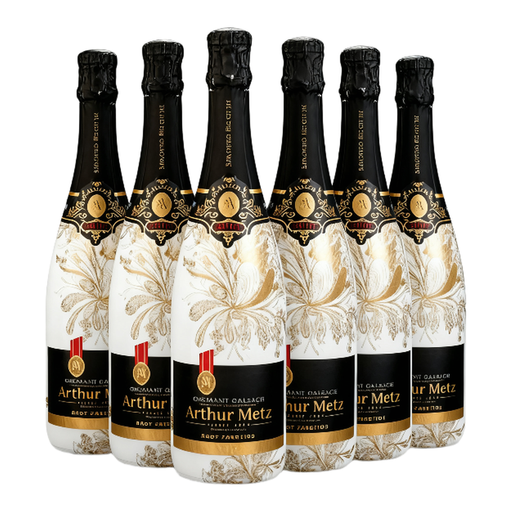
Why This Fits Their Persona: Ideal for those seeking high quality without the Champagne price tag. This Crémant offers an authentic experience for celebrations or as an elegant food pairing.
It debunks the myth that only Champagne can be complex and high-quality. Thanks to traditional bottle fermentation, it offers comparable finesse at a fraction of the price.
Aromas of white fruits and floral notes. Its production using the Méthode Traditionnelle ensures a fine perlage and complexity.
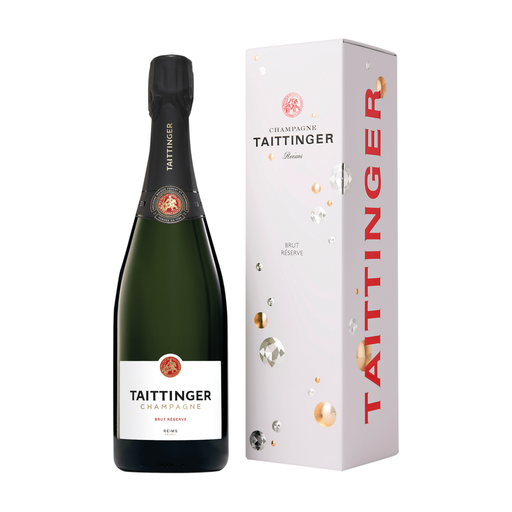
Why This Fits Their Persona: For special occasions like New Year's Eve or anniversaries, where a renowned name and reliable quality are a must. A symbol of celebration.
Instead of gambling on an unknown, overpriced label, Taittinger, as an established house, offers consistent and recognised quality. The Brut classification guarantees a dry, balanced taste.
A high proportion of Chardonnay provides freshness and elegance. Harmonious notes of brioche, peach, and white flowers from extended ageing.
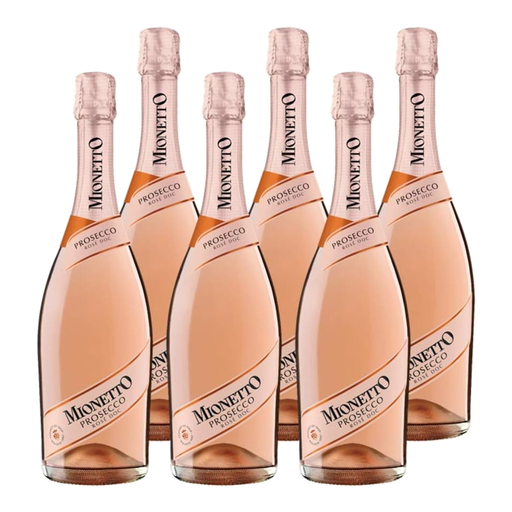
Why This Fits Their Persona: Perfect for lovers of fresh, fruity drinks. This rosé sparkling wine is an excellent choice as a stylish aperitif or a companion to light appetisers and seafood.
This Prosecco is made using the tank fermentation method, which explains its fresh, fruit-forward character. It is clearly positioned as an aperitif, not as a complex alternative to a vintage Champagne.
Pronounced notes of red fruits and grapefruit. The blend of Glera and Pinot Noir grapes creates a harmonious and lively structure.
We have compiled a complete, up-to-date list of products that fully meet these strict selection criteria and quality standards.
The main difference lies in their origin and, often, their production method. Champagne can only come from the Champagne region of France and must be made using traditional bottle fermentation. Prosecco comes from designated areas in Northern Italy and is usually produced via the tank fermentation method. Sekt is the German term for quality sparkling wine. Both production methods are used, with Winzersekt (vintner's Sekt) often being made with traditional bottle fermentation.
Sparkling wine bottles should be stored upright in a cool, dark place with a constant temperature (ideally 10–12°C or 50–54°F). Unlike still wine, the high internal pressure prevents the cork from drying out, so upright storage is recommended to minimise the wine's contact with the cork.
The recommended serving temperature is generally between 6 and 8°C (43–46°F). If served too cold, the wine loses its aromatic complexity; if too warm, it loses its freshness and effervescence. Lighter, fruity sparkling wines like Prosecco can be served slightly cooler, while complex vintage Champagnes or Crémants unfold their full aroma at around 8–10°C (46–50°F).