
Lieferung heute & morgen

Qualitätsgarantie

Willkommens-Angebote freischalten: KOSTENLOSE Lieferung | Bis zu 80 % RABATT | Kostenlose 30-Tage-JoyPlus-Testphase
App herunterladen
Whether for a special occasion, a celebration with friends, or an evening indulgence, choosing the right sparkling wine can be overwhelming with such a vast selection. Many bottles promise more than they deliver, and unclear labels often lead to disappointing purchases. This guide will help you recognise the key quality indicators and make an informed choice that perfectly suits your occasion and taste.
Before you make a decision, it helps to know the most common stumbling blocks that often lead to disappointment.
To find the right sparkling wine, focus on three objective parameters that define the character of every bottle.
The most important information on the label is the residual sugar content, which decisively shapes the taste. The designations are regulated EU-wide but can vary depending on the type of sparkling wine.
The production method has a huge impact on the quality of the perlage and the complexity of the aromas.
The grapes used determine the fundamental aroma. Chardonnay brings elegance and freshness, Pinot Noir (Sp?tburgunder) provides body and structure, and Riesling gives German Sekt its typical acidity and fruitiness. For Prosecco, the main grape variety is Glera, known for its notes of green apple and pear.
Here are a few recommendations tailored to different needs and taste profiles.
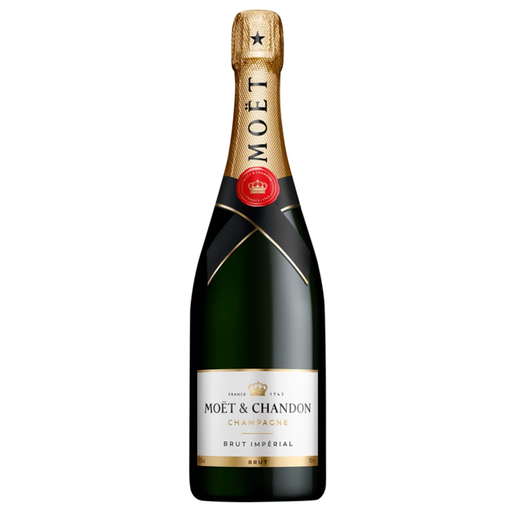
Why this product is a great fit: Ideal for special moments like weddings, anniversaries, or New Year's Eve. As a classic Champagne, it represents celebration and a sophisticated standard. Its balanced Brut character appeals to a wide audience.
Here, you're not just paying for a name, but for a guaranteed origin (Champagne) and a complex production process (traditional bottle fermentation), which justifies the price.
Pronounced fruitiness, paired with an elegant maturity and fine perlage. A globally recognised standard for high-quality Champagne.
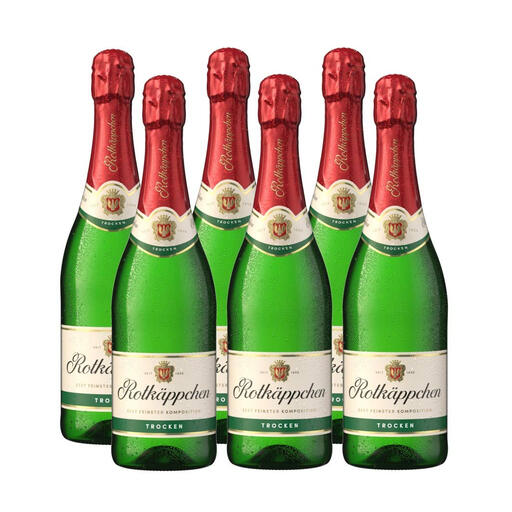
Why this product is a great fit: As a well-known German brand of Sekt in a convenient 6-bottle case, it's a reliable choice for birthdays, garden parties, or simply when you need to stock up. Its approachable taste is a hit with many guests.
You avoid the pitfall of overpaying for an unknown name. Rotk?ppchen offers consistent, predictable quality at a fair price, perfect for straightforward enjoyment.
A balanced, fruity character in the "trocken" (dry) style, which is very popular in Germany. Versatile enough to be enjoyed pure for a toast or as a base for sparkling wine cocktails.
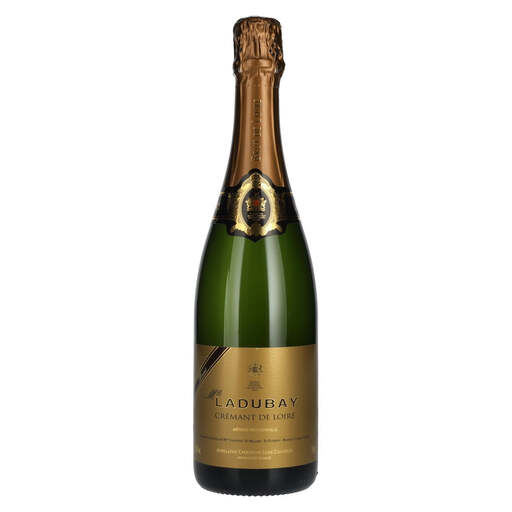
Why this product is a great fit: For anyone who appreciates the complexity and fine perlage of traditional bottle fermentation but doesn't want to pay the price for Champagne. A Crémant from the Loire is a stylish, high-quality alternative.
This product bypasses the "brand premium." You get the same complex production method as Champagne but at a fraction of the price, as it comes from a different French region.
Elegant, fine perlage and fresh, fruity aromas typical of the Chenin Blanc and Chardonnay grapes from the Loire Valley. Ideal as an aperitif or with light dishes.
We have compiled a complete, up-to-date list of products that meet these strict selection criteria. Discover a variety of Sekt, Prosecco, Champagne, and more.
The main difference lies in their origin and, often, their production method. Champagne comes exclusively from the Champagne region of France and is made using traditional bottle fermentation. Prosecco comes from designated regions in Italy, is usually produced using the tank method, and therefore has a primarily fruity taste. Sekt is the German term for sparkling wine; its quality can vary greatly, from simple tank fermentation to high-quality traditional bottle fermentation for Winzersekt (winemaker's Sekt).
Store sparkling wine in a cool, dark place with a constant temperature, ideally lying down to keep the cork moist. Avoid direct sunlight and significant temperature fluctuations. The optimal serving temperature is between 6 and 8°C (43-46°F). A wine that is too cold will lose its aroma, while one that is too warm will taste less refreshing and quickly lose its carbonation.
Yes, ordering sparkling wine online is a convenient way to compare a wide selection and take advantage of special offers. Look for detailed product descriptions that include information on sweetness level, origin, and grape variety. Multipacks, such as a sparkling wine deal with 6 bottles, often offer a price advantage and are practical for stocking up before a party. Check the delivery conditions to ensure the bottles are packaged securely to prevent breakage.