
Lieferung heute & morgen

Qualitätsgarantie

Willkommens-Angebote freischalten: KOSTENLOSE Lieferung | Bis zu 80 % RABATT | Kostenlose 30-Tage-JoyPlus-Testphase
App herunterladen
Whether for an expensive laptop, an essential smartphone, or gear for a family outing, the market for protective cases and sleeves is vast. However, not every product delivers on its promise. Many buyers discover after only a short time that they have invested in a solution that fails at the critical moment. Before you make a purchase, it's crucial to understand the most common pitfalls that lead to disappointment and, in the worst-case scenario, damaged devices.
The three most common problems are:
This guide will help you avoid these problems and make an informed decision.
To find a suitable and durable protective solution, you should check three core parameters. These features separate high-quality products from those that are only impressive at first glance.
The material is the first line of defence for your valuables. For electronics protection, material properties and standardised protection ratings are particularly relevant.
A common mistake is to rely solely on the screen size, for instance, when choosing a laptop bag. A 15.6-inch laptop will not automatically fit into every 15.6-inch sleeve. Bezel width, device depth, and port locations vary widely.
Measure your device (length x width x height) and compare these measurements with the internal dimensions of the case, not the external ones. A snug fit prevents the device from sliding around inside the bag, which significantly improves protection during impacts. This also applies to a projector case or other specialised equipment.
A good protective case is more than just a shell; it's a well-designed piece of travel gear. Look for functional details that meet your specific needs:
Based on these objective criteria, we have identified several products that represent a suitable solution for specific user profiles.
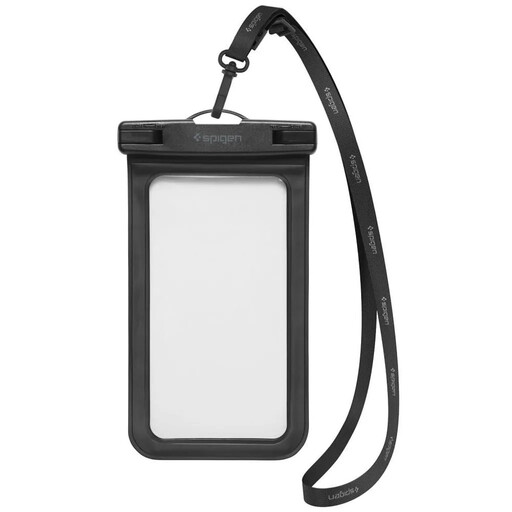
Why This Fits Their Persona: Ideal for individuals who want to protect their smartphone from water, sand, and dust while swimming, snorkelling, or at the beach, without sacrificing usability.
The case has a verifiable IPX8 certification for depths of up to 30 metres. This avoids the uncertainty of vague 'water-repellent' claims.
The transparent front allows for full touchscreen operation. A detachable lanyard provides extra security during activities.
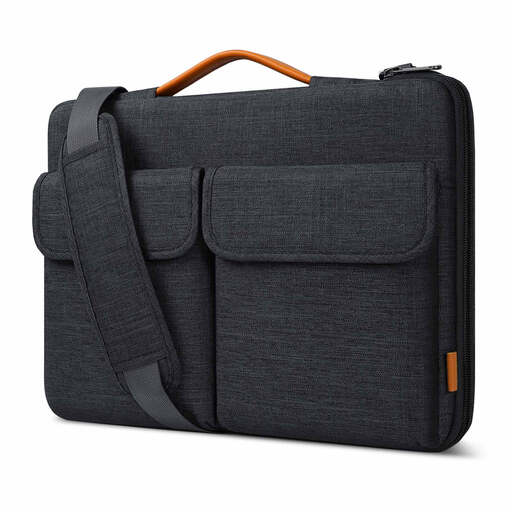
Why This Fits Their Persona: Suitable for professionals and students who transport their laptop daily and value protection, organisation, and flexible carrying options.
This bag counteracts the pitfall of inadequate shock protection. It offers 360° all-round padding and an additional protective ridge along the zip to secure the edges.
Three carrying options (handle, shoulder strap, luggage strap) and organised front pockets for accessories like a mouse and charging cable.

Why This Fits Their Persona: Perfect for parents on the go with a stroller who want to keep essentials like bottles, dummies, phone, and keys within easy reach and securely stored.
This product solves the problem of poor functionality. It is designed as a 2-in-1 solution and features a well-thought-out compartment layout and secure zips that keep contents in place.
Can be used as a stroller organiser and a waist bag. The material is easy to clean and machine washable at 40°C.
We have compiled a complete, real-time list of products that fully satisfy these strict selection criteria and UK safety regulations.
Measure your laptop precisely (length, width, and height). Then, compare these measurements with the internal dimensions of the bag, which should be listed in the product details. Allow for a few millimetres of clearance so the device can be inserted and removed easily, but not so much that it slides around.
The IPX8 designation is part of the international IP rating scale. The "8" represents protection against water. It certifies that the product is protected against the effects of continuous submersion in water under conditions specified by the manufacturer (e.g., "up to 30 metres deep for 30 minutes"). This is the highest level of protection for submersion and a reliable indicator.
Yes, most modern waterproof cases, especially those made from TPU material, are designed to maintain touchscreen functionality. You can answer calls, write messages, and use apps. However, note that water pressure at greater depths can affect the touchscreen's sensitivity. For taking photos and videos underwater, it is often recommended to use the phone's physical volume buttons as a shutter.