
Lieferung heute & morgen

Qualitätsgarantie

Willkommens-Angebote freischalten: KOSTENLOSE Lieferung | Bis zu 80 % RABATT | Kostenlose 30-Tage-JoyPlus-Testphase
App herunterladen
The term "protective cream" is broad, and the market is correspondingly difficult to navigate. From nappy rash creams for babies and daily moisturisers with SPF to specialised barrier creams for irritated skin – the selection is vast. However, not every product that promises protection actually delivers. Many consumers invest in creams that fail to achieve the desired effect due to misleading claims or unsuitable formulations. Before you make a decision, it's crucial to understand the most common pitfalls.
The 3 Most Common Pitfalls When Buying Protective Creams:
To make the right choice, you should focus on the objective properties and ingredients that are relevant for your specific purpose.
One of the main functions of a protective cream is to strengthen or restore the skin barrier. This barrier protects against moisture loss and the penetration of irritants. An intact barrier is crucial for preventing skin problems.
UV radiation is one of the main causes of premature skin ageing (photoageing) and can increase the risk of skin conditions. A day cream with SPF is therefore an indispensable part of any daily skincare routine to protect the skin in the long term.
The base of any cream—its texture and carrier ingredients—is just as important as the active ingredients. The wrong formulation can clog pores or further irritate the skin.
Instead of making a one-size-fits-all recommendation, we have selected products for clearly defined needs and user profiles.
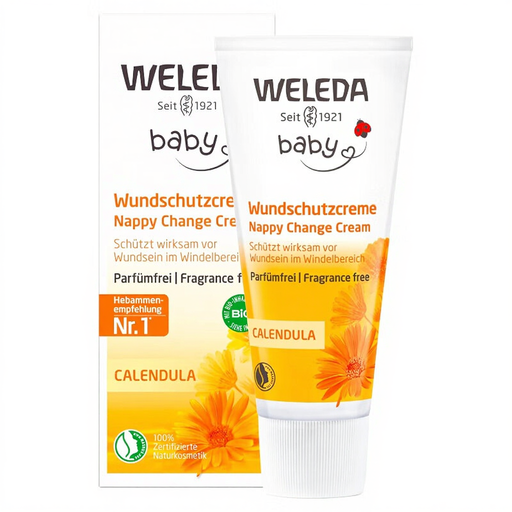
Why it's a good fit: This cream is specifically designed to care for and protect the sensitive skin in the nappy area. It is aimed at parents looking for a targeted solution for daily baby care.
The product avoids the "all-in-one" myth through clear specialisation. Its formulation with zinc oxide and lanolin provides targeted moisture protection that is not intended for other uses.
Its skin compatibility is dermatologically confirmed, even for very sensitive skin. The fragrance-free version further minimises the risk of irritation.
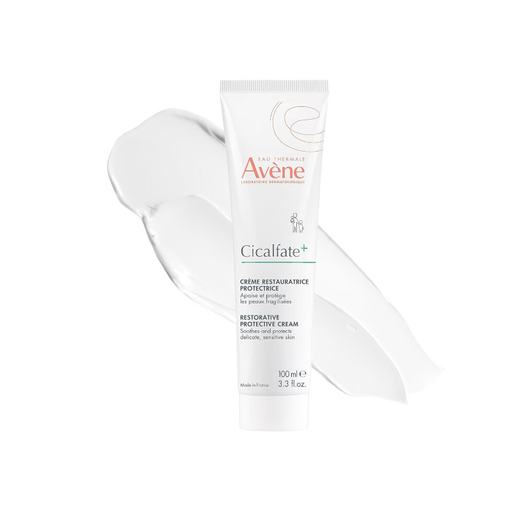
Why it's a good fit: This cream was developed to soothe skin irritations for the whole family. It is suitable for those who need a reliable, recovery-promoting treatment for localised, irritated areas of skin.
This product debunks the assumption that only expensive luxury brands are effective. As an established pharmacy brand, its value is based on its formulation, not its marketing, thus avoiding the price-quality trap.
The formula contains the postbiotic active ingredient [C+-Restore], derived from Avène Thermal Spring Water, which is designed to support epidermal repair, combined with soothing zinc oxide.
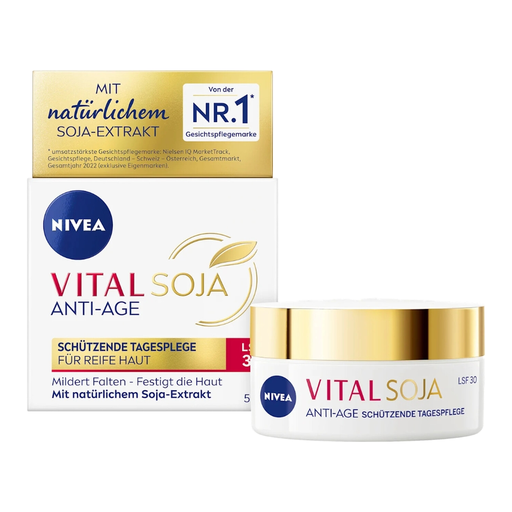
Why it's a good fit: This day cream is designed for mature skin, combining nourishing properties with reliable UV protection. It is ideal for users seeking a straightforward, daily solution for protection and care.
This product is a clear example of a cream that is multifunctional yet specific. It is not a generic protective cream, but a day cream with a clearly defined SPF 30 and an anti-ageing focus.
With SPF 30, it offers enhanced protection against UVA/UVB radiation and, according to the manufacturer, helps prevent the formation of dark spots. The formula with soy extract targets the needs of mature skin.
We have compiled a complete, up-to-date list of products that fully meet these strict selection criteria and local regulations.
The frequency of application depends on the product type and its purpose. A nappy cream for babies should be applied to clean, dry skin at every nappy change. A day cream with SPF is applied once in the morning as the final step in your skincare routine. To maintain protection, especially after heavy sweating or contact with water, it should be reapplied. A restorative barrier cream is applied as needed once or twice daily to the affected areas.
Yes, a zinc oxide-based nappy cream can also be used by adults for minor skin irritations, chafing, or to soothe irritated patches of skin. However, due to its often rich, film-forming texture, it is generally not suitable for large-area application or as a daily facial moisturiser, as it could clog pores.
A good cream for sensitive skin is characterised by a minimalist formulation. Pay attention to the INCI list (International Nomenclature of Cosmetic Ingredients). Ideally, the product should be free from fragrances (Parfum, Fragrance), most essential oils, and drying alcohols (e.g., Alcohol denat.). Ingredients like ceramides, niacinamide, panthenol, and thermal spring water are often well-tolerated and support the skin barrier.