
Lieferung heute & morgen

Qualitätsgarantie

Willkommens-Angebote freischalten: KOSTENLOSE Lieferung | Bis zu 80 % RABATT | Kostenlose 30-Tage-JoyPlus-Testphase
App herunterladen
Anyone looking to buy protective film will find products for a wide range of purposes: smartphone screens, windows, furniture, tables, food, moving house or instant photographs. This variety is precisely what makes choosing the right product challenging. A film may be suitable for its intended use, but quickly become impractical if it is the wrong size, applied to an unsuitable surface or unable to withstand the required temperature.
With an iPhone 16 screen protector or an iPhone 17 screen protector, checking only the model family is not enough. The exact variant, screen size and cut-outs for speakers or sensors are what matter. “iPhone 16” and “iPhone 16 Pro Max” are not automatically compatible.
Product descriptions can also contain contradictory model information. Before buying, check the compatibility list, dimensions and details referring to the specific device version.
iPhone tempered glass is often advertised with a hardness rating of 9H. This describes scratch resistance according to a specific testing method, not a guarantee that the screen will not break in every fall. Edges, adhesive, fit and whether it is used with a phone case also affect its suitability for everyday use.
A decorative window film can diffuse light and reduce visibility from outside. However, it does not replace safety or shatter-protection film. For windows, the type of glass, surface and installation method are also important. Static-cling films generally work best on smooth, clean glass, while textured or damaged surfaces can cause problems.
Measure the surface to be covered and compare it with the manufacturer’s specifications. With rolls, it is not just the length that matters, but also the width and potential wastage. According to the product specifications, a window film measuring 60 × 508 cm covers around 32.8 square feet, or approximately 3.05 m². For furniture and table films, you should also allow extra material around the edges for trimming and adjustments.
For smartphones, the device model, screen diagonal, shape of the casing and compatibility with phone cases are all relevant. A film that extends too far beyond the edge of the screen may lift when used with a tight-fitting case.
Pay attention to information about heat, moisture, cleaning products and contact with food. Cling film must not be placed in the oven or under the grill. Microwave use depends on the individual product and its instructions. Stretch film for removal boxes or furniture, on the other hand, is a packaging aid and is not intended for food.
For window film, wet application is recommended: clean the glass, moisten it with water, position the film, then push the water and air bubbles outwards using a squeegee or card. Self-adhesive furniture film, on the other hand, should be gradually peeled away from the backing paper and pressed down smoothly without bubbles.
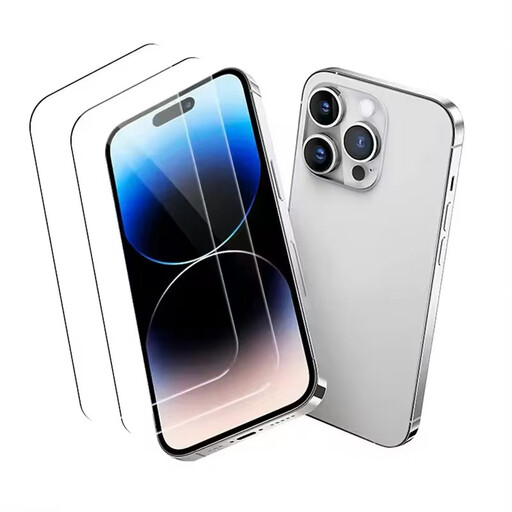
Why this product suits this profile: This film is aimed at iPhone 16 Pro users looking for a clear screen-protection solution with fitting accessories.
The product details specify iPhone 16 Pro, 9H glass and a single film. This makes it easier to check whether it is the right choice before buying.
Tempered glass with a stated 9H hardness rating, oleophobic coating and applicator included.
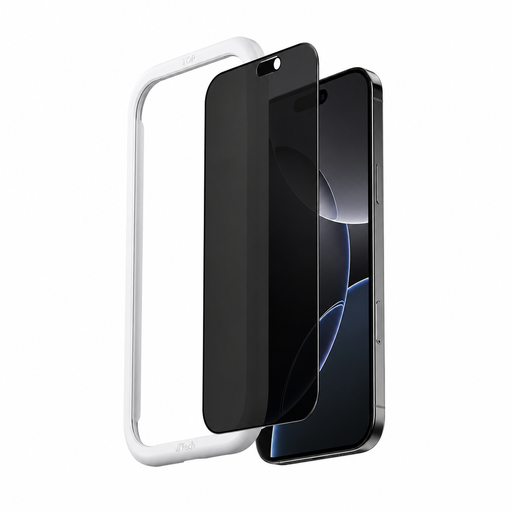
Why this product suits this profile: For commuters and office workers, the stated privacy feature, which limits viewing from the side, is particularly relevant.
The privacy feature is described as a viewing-angle characteristic. Nevertheless, check the exact model designation before buying and bear in mind that darkening from the side can affect how the display appears.
Stated 9H glass construction, anti-fingerprint coating and a set containing three protective glasses.
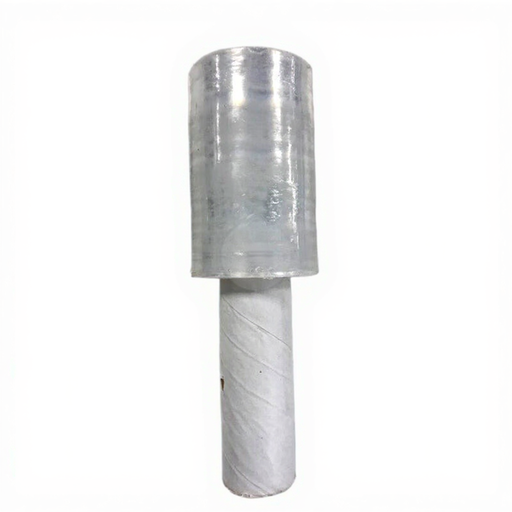
Why this product suits this profile: The narrow, long roll is aimed at households, people moving house and businesses that want to bundle boxes, furniture or consignments.
The dimensions of 150 m × 10 cm are clearly stated. This makes it possible to assess in advance whether the roll width is suitable for furniture edges, boxes or bundles.
Long roll length and a supplied clip for manual application without complicated tools.
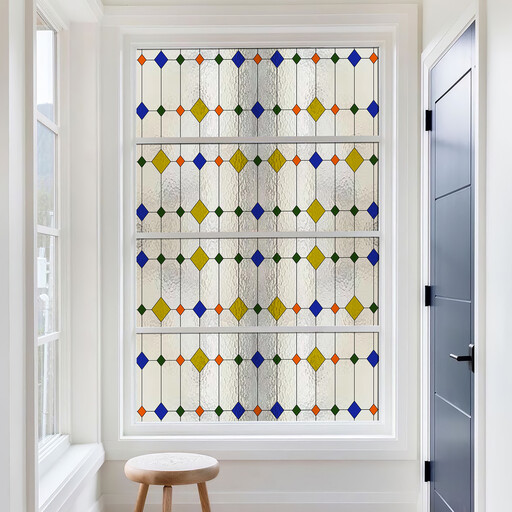
Why this product suits this profile: This static-cling window film is suitable for smooth glass surfaces when you want a decorative solution that can be removed without leaving residue.
The film is applied with water and no adhesive, and can be repositioned. This eliminates the risk of adhesive residue when you move out later.
Textured PVC, 60 × 508 cm, prismatic diamond pattern and suitability for smooth glass according to the product specifications.
We have put together a complete, regularly updated list of products that fully meet these strict selection criteria and the safety regulations applicable in the EU.
For use in the kitchen, cling film and stretch film are not automatically suitable for the same purpose. Polyethylene cling film is intended for covering food, while stretch film is designed to stabilise items being moved or parcels. For tables, 2-mm PVC table-protection films are an option when you want to keep out water, oil and dirt. Whenever the film comes into contact with food, always check the relevant manufacturer’s information.
If you want to refresh your furniture, you can cut self-adhesive furniture film to size. Uneven, dusty or heavily textured surfaces are unsuitable. For hobby photographers, the format is what matters: Instax instant film must match the camera system. Instax Square film is designed for Instax Square cameras and printers and cannot be interchanged with Mini or Wide devices.
That depends on the exact model and the type of protection you want. Tempered glass is often chosen for its rigid surface, while TPU film is preferred for its flexibility. Check the model name, dimensions, cut-outs and compatibility with phone cases before buying.
Clean the glass thoroughly, moisten it with water and position the film on the wet surface. Then use a squeegee to push the water and air bubbles from the centre towards the edges. Any excess material should only be trimmed at the end.
There is no universal answer for how long it will last. Its lifespan depends on the material, use, heat, cleaning products, friction and the surface underneath. A screen protector should be replaced if it cracks or the edges become noticeably detached. For household and window films, care instructions, storage and the condition of the surface are key factors.