
Lieferung heute & morgen

Qualitätsgarantie

Willkommens-Angebote freischalten: KOSTENLOSE Lieferung | Bis zu 80 % RABATT | Kostenlose 30-Tage-JoyPlus-Testphase
App herunterladen
Whether you're handling hot baking sheets, cutting meat with sharp knives, or using cleaning agents, our hands are exposed to risks in many situations. Choosing the right protective gloves is therefore not an afterthought, but a fundamental measure for ensuring safety and hygiene.
This guide is designed to provide you with clear direction. We will introduce different types of safety gloves and explain which features are crucial for various applications. This will enable you to make an informed decision tailored precisely to your needs in the kitchen, at home, or in a professional environment.
The range of available gloves is vast. To find the right pair, three key criteria should be considered: the material, the intended application, and the fit.
The material determines the glove's primary protective function. Different properties are prioritised depending on the task.
Clearly define what you need the gloves for. A work glove for food processing must meet different standards than a glove for occasional gardening.
A protective glove can only perform its function optimally if it fits correctly. A glove that is too large reduces grip security and tactile feedback, while one that is too small can restrict blood circulation and become uncomfortable over time. Pay attention to selecting the correct size and look for features like a cotton inner lining, which enhances comfort during prolonged use.
Based on the criteria mentioned, we have compiled a selection of gloves for various applications.
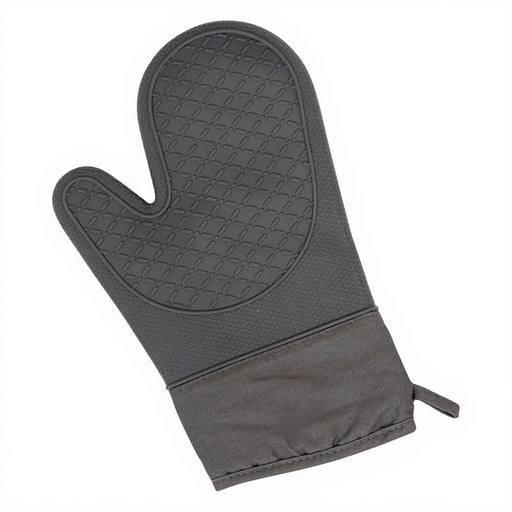
Why it stands out: This kitchen glove from 5five combines a breathable textile base material with strategically placed silicone pads. This design offers a great balance of heat protection and flexibility, which is often a compromise with traditional, stiff oven mitts. Its production in France by JJA underscores a focus on design and material quality.
Benefits:
Who it's for: Ideal for home cooks and grilling enthusiasts looking for reliable and flexible heat protection for everyday use.
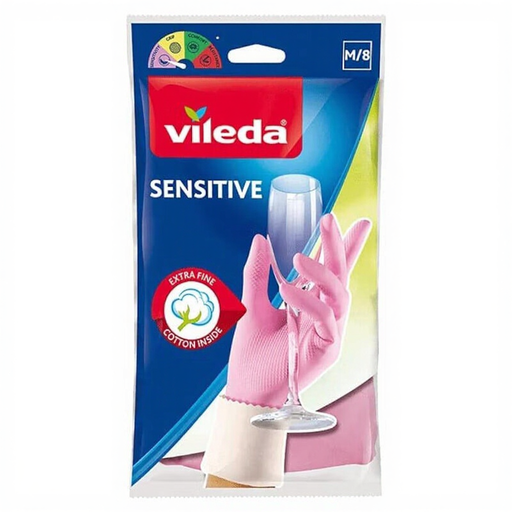
Why it stands out: The Vileda Sensitive household gloves are distinguished by their particularly thin material made of 100% natural rubber latex. This allows for a high degree of tactile sensitivity, which is advantageous for delicate tasks like washing fragile dishes. The cotton inner lining significantly increases wearing comfort.
Benefits:
Who it's for: Perfect for individuals who perform light to medium cleaning tasks around the house and value comfort and a good sense of touch.
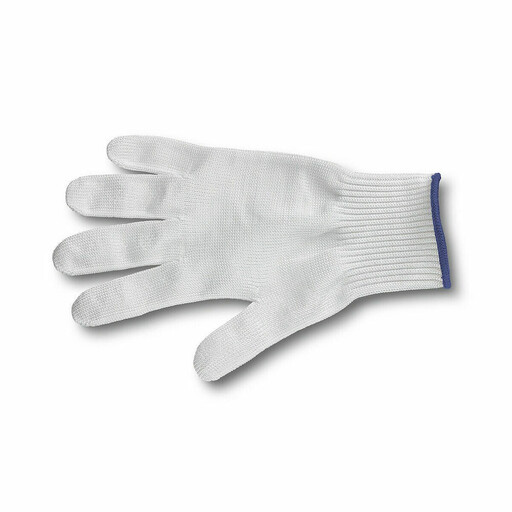
Why it stands out: This cut-resistant glove from Victorinox was designed for professional use in food processing. Its protective effect is based on a stainless steel wire encapsulated in polyethylene and wrapped in polyester. This material composition offers very high cut protection while maintaining good flexibility.
Benefits:
Who it's for: A clear recommendation for professionals in meat processing, slaughterhouses, and the catering industry. Also suitable for ambitious home cooks who refuse to compromise on safety when working with extremely sharp knives (e.g., for deboning).
Our selection covers key application areas. However, if you are looking for more specific models, such as for work in cold or wet conditions that require complete waterproofing combined with insulation, it's worth exploring other specialty gloves.
? Discover our wider selection of waterproof insulated gloves and find the perfect pair for your needs.
1. What is the difference between heat-resistant and cut-resistant gloves? The main difference lies in the material and the associated protective purpose. Heat-resistant gloves are typically made of silicone, aramid, or thick cotton fabric to protect hands from burns. Cut-resistant gloves, on the other hand, contain materials like stainless steel fibres, glass fibres, or high-performance polyethylene (HPPE) to provide mechanical protection against sharp blades.
2. How do I properly clean and care for my protective gloves? Care depends on the material. Always follow the manufacturer's instructions. As a general rule: rinse latex gloves with clear water after use and let them air dry. Textile and silicone gloves can often be hand-washed with mild dish soap. Store all gloves in a dry place, protected from direct sunlight, to preserve the material.
3. Can latex gloves cause allergies? Yes, natural rubber latex contains proteins that can trigger allergic reactions in sensitive individuals. Some manufacturers use special processes to reduce the content of allergenic proteins. However, people with a known latex allergy should opt for gloves made from alternative materials such as nitrile or vinyl.