
Lieferung heute & morgen

Qualitätsgarantie

Willkommens-Angebote freischalten: KOSTENLOSE Lieferung | Bis zu 80 % RABATT | Kostenlose 30-Tage-JoyPlus-Testphase
App herunterladen
Whether you're handling sharp knives, working with hot grill grates, or using cleaning agents, your hands are exposed to numerous risks in many situations. Choosing the right protective glove is crucial, as not every glove is suitable for every task. This guide will help you understand the different types and materials to make an informed decision for your specific needs.
The range of specialised gloves is vast. To find the right model, you should consider three key criteria: the material, the relevant protection classes, and the fit.
The material is the deciding factor for a glove's protective function.
For professional work gloves, European standards (EN) are a reliable indicator of protective performance.
A protective glove can only perform its function if it fits well. A glove that is too large reduces tactile sensitivity and can slip off, while one that is too tight restricts circulation and becomes uncomfortable over time. Look for the correct size and flexible materials that ensure a high level of comfort, even during extended use.
Based on the criteria mentioned, we have compiled a selection of gloves for various applications.
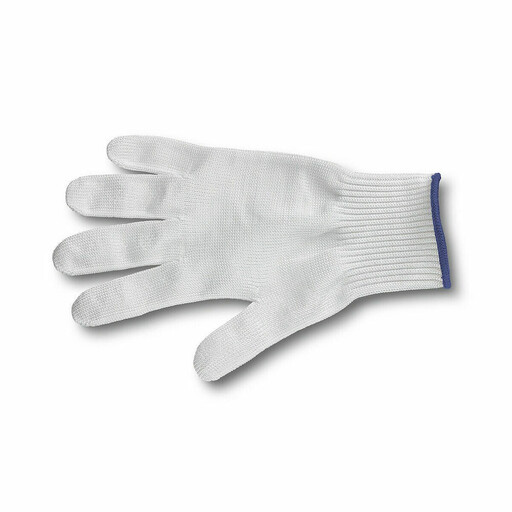
Why It Stands Out This glove was designed for professional use in food processing. Its unique feature is its material composition: a core of stainless steel wire is encapsulated in polyethylene and wrapped in a high-performance polyester. This construction provides high cut resistance while maintaining a soft and flexible feel.
Advantages
Who It's For This glove is an excellent choice for professionals in butcher shops, processing plants, and the food industry. It is also suitable for home chefs who want extra protection when processing meat and fish or using mandolines and sharp graters.
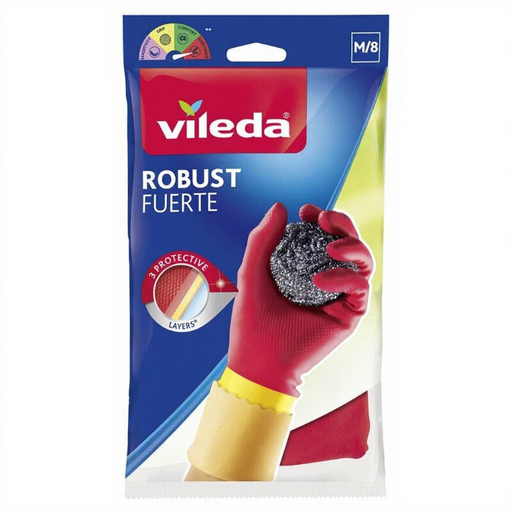
Why It Stands Out The Vileda Robust gloves are distinguished by their three-layer construction. The ComfortPlus inner lining with Climacell technology is designed for high moisture absorption, which increases comfort during long cleaning sessions. A neoprene seal and a double coating of 100% natural latex give the glove increased tear resistance.
Advantages
Who It's For These household gloves are designed for all heavy-duty cleaning tasks around the home. They offer protection and durability for jobs where conventional cleaning gloves might not be up to the task.
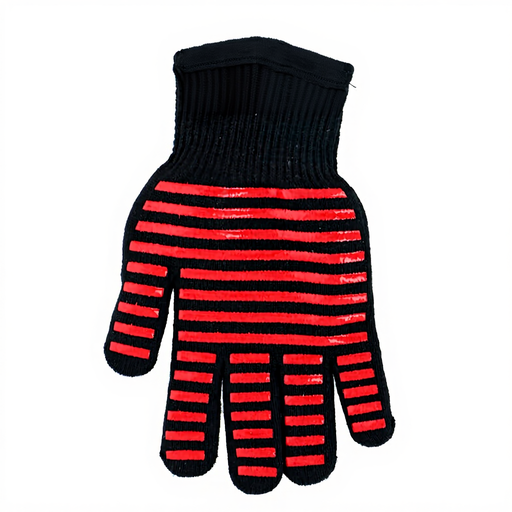
Why It Stands Out According to the manufacturer, this grill glove from alpina is designed to handle extreme temperatures of up to 500°C. The non-slip silicone coating on the palm ensures a secure grip on hot grill grates, pans, or baking sheets. The flexible textile material allows for a good fit and high comfort.
Advantages
Who It's For This heat-resistant glove is a great choice for grill masters, bakers, and anyone who regularly handles hot items from the oven, grill, or fireplace. It serves as a functional alternative to classic pot holders or oven mitts.
This guide focuses on protection for hands during work, cooking, and cleaning. If your needs extend to sports protection, our selection of boxing gloves might be of interest to you. Discover more options for your training here.
The numbers on many work gloves refer to the performance levels of the EN 388 standard. They indicate, in a specific order, the abrasion resistance, cut resistance (according to the Coupe test), tear resistance, and puncture resistance. A higher number generally means a higher level of protection in that category.
No glove is completely "cut-proof." Cut-resistant gloves offer a high level of cut resistance, which significantly reduces the risk of injury. They are designed to withstand a cutting contact but can be penetrated by high pressure or sharp, pointed objects. The protection level (e.g., according to EN 388) indicates how high the resistance is.
The cleaning method depends on the material. Many textile grill gloves can be machine washed, while models with a silicone coating should often only be hand-washed with mild detergent. Always follow the manufacturer's care instructions to maintain the glove's protective function and longevity. Allow the gloves to air dry completely after cleaning.