
Lieferung heute & morgen

Qualitätsgarantie

Willkommens-Angebote freischalten: KOSTENLOSE Lieferung | Bis zu 80 % RABATT | Kostenlose 30-Tage-JoyPlus-Testphase
App herunterladen
Whether you're grilling, gardening, cleaning the house, or working in a professional kitchen, your hands are your most important tool and deserve reliable protection. However, the market for protective gloves is vast, and choosing the right model can be overwhelming. An unsuitable glove not only offers inadequate protection but can also compromise your safety.
This guide is here to help. We'll introduce different types of protective gloves and explain which features are crucial for specific applications. Our goal is to provide you with an informed basis for your decision, helping you find the perfect hand protection for your specific needs.
The right choice of glove depends on three key factors: material, protective features, and fit.
The material is what determines a glove's protective capabilities. Each material offers advantages for specific risks.
In professional settings, European Standards (EN) provide information on the performance level of work gloves. For example, the EN 388 standard rates mechanical resistance (abrasion, cut, tear, and puncture resistance), while EN 407 describes protection against thermal risks (heat and/or fire). Even for private use, checking these standards can be helpful in assessing a glove's durability.
A heavy-duty protective glove is of little use if it restricts movement or fails to provide a secure grip. A good fit is crucial for both comfort and safety. The glove should fit snugly without impeding blood circulation. Silicone coatings or textured material on the palms can significantly improve grip security.
Based on the criteria mentioned, we have curated a selection of gloves for various applications.
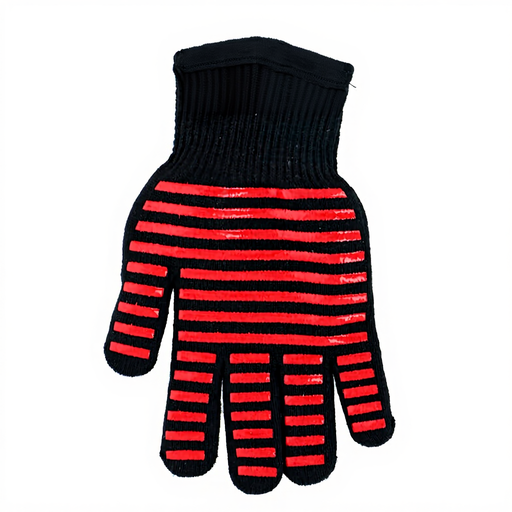
What Makes It Stand Out This BBQ glove from alpina is designed for handling extreme heat. According to the manufacturer, its heat-resistant fabric provides protection at temperatures of up to 500°C. The non-slip silicone coating on the palm ensures a secure hold on hot grill grates, pans, or baking dishes.
Advantages
Who Is It For? This glove is an excellent choice for grill masters, home bakers, and anyone who regularly handles ovens, hot pots, or fireplaces and needs reliable heat protection.
View Product: alpina BBQ glove
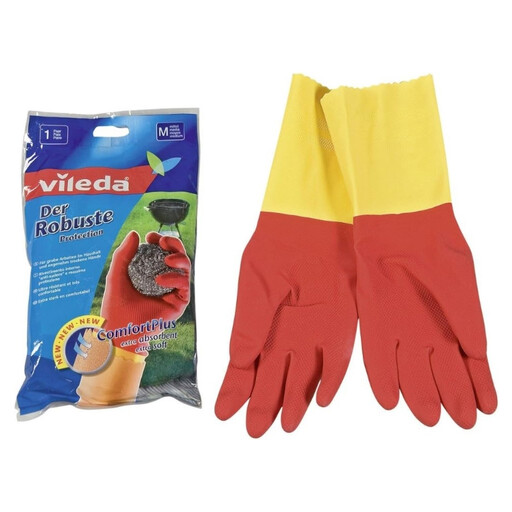
What Makes It Stand Out The Vileda Gloves Robust is a three-layer household glove specially designed for protection against cleaning agents. According to Vileda, the ComfortPlus inner lining with Climacell technology absorbs perspiration and ensures a comfortable feel. The long cuff provides additional protection for the forearms.
Advantages
Who Is It For? Ideal for anyone who regularly performs demanding household cleaning tasks and wants to protect their hands from chemicals, water, and temperature fluctuations. Individuals with a known latex allergy should check the material composition.
View Product: Vileda Gloves Robust Size M
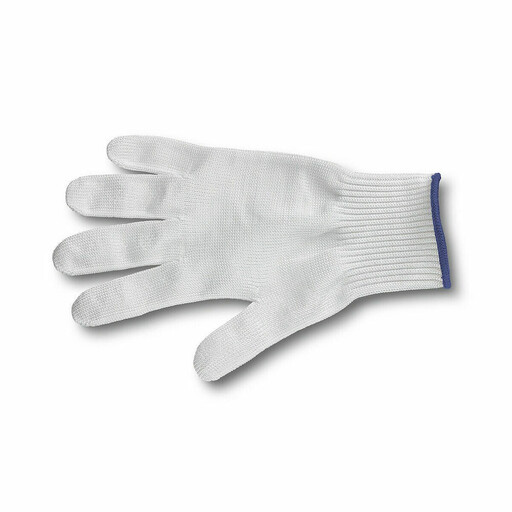
What Makes It Stand Out This cut-resistant glove from Victorinox is designed for professional use in food processing. It owes its high cut resistance to a material blend of stainless steel wire integrated into polyethylene and polyester. Despite its robust construction, the glove remains soft and flexible, allowing for precise work.
Advantages
Who Is It For? This glove is aimed at professionals in butcher shops, commercial kitchens, and the food industry. It is also a worthwhile investment for discerning home chefs who want to ensure maximum safety when working with very sharp knives, mandolines, or oyster knives.
View Product: Victorinox Cut Resistant Soft Glove
The products featured cover common applications. However, if you are looking for gloves for other specific purposes, such as flexible disposable gloves for hygienic tasks, you may find the right model in our broader selection.
Discover more latex gloves and other protective gloves in our range.
The term cut-resistant describes a glove's ability to withstand cuts from sharp edges. In commercial settings, this property is classified into different performance levels (cut protection levels) by the EN 388 standard. Materials like stainless steel fibres, glass fibres, or special high-performance polymers give the glove this protective function.
No, not necessarily. A heat-resistant glove is primarily designed for thermal insulation. Whether it is also safe for food depends on the materials used. Look for specific labels from the manufacturer that explicitly certify the glove as food-safe.
A correct fit is essential for safety and comfort. Many manufacturers provide size charts based on hand circumference. Measure your hand circumference at its widest point (excluding the thumb) and compare the measurement with the manufacturer's chart. A well-fitting work glove should neither slip nor constrict your fingers.