
Lieferung heute & morgen

Qualitätsgarantie

Willkommens-Angebote freischalten: KOSTENLOSE Lieferung | Bis zu 80 % RABATT | Kostenlose 30-Tage-JoyPlus-Testphase
App herunterladen
Finding the right protective gloves can be a complex task. Whether for hygienic work in the kitchen, protection in a medical setting, or for cleaning tasks around the house, the requirements are diverse. Different materials, standards, and properties like "powder-free" or "food-safe" make the decision even more challenging.
This guide is here to help. It explains the key differences between common glove types and presents a selection of products for various applications. Our goal is to provide you with a factual basis for your purchasing decision.
To find the right product, three criteria are crucial: the material, specific properties, and the intended use.
The material is a key factor in determining the level of protection, comfort, and suitability for allergy sufferers.
Additional labels provide information about a glove's specific suitability.
Based on the criteria mentioned, we have compiled a selection of products for different areas of application.
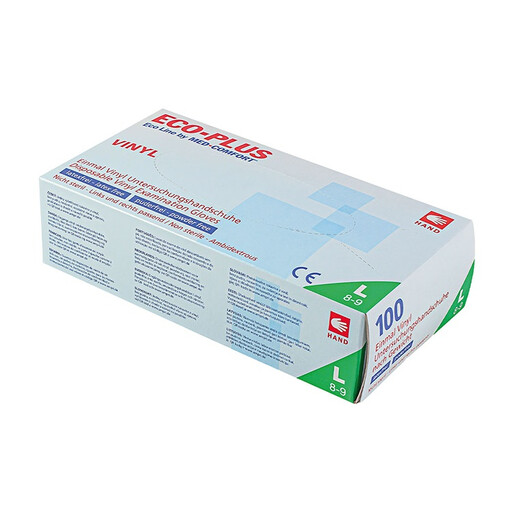
Why It Stands Out These vinyl gloves from AMPri are a cost-effective and practical solution for a variety of tasks where gloves are changed frequently. They are a safe alternative for users with latex allergies, as they are completely free of allergenic proteins.
Benefits
Who It's For These gloves are ideal for use in beauty salons, for simple service tasks, in parts of the food industry, and for general household cleaning where contact with concentrated chemicals is not expected.
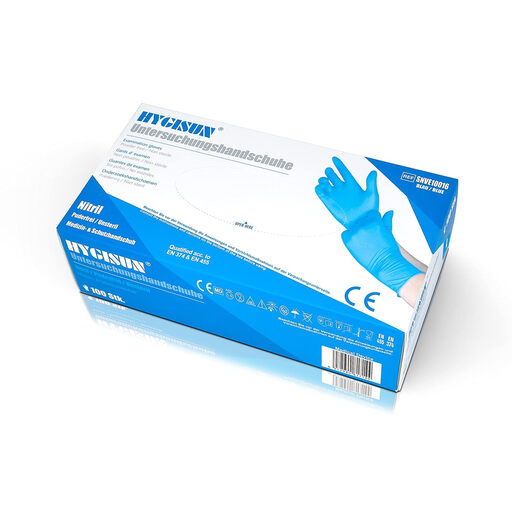
Why It Stands Out The Hygisun Nitrile Gloves combine robustness with certified protection. They meet the EN 455 (medical gloves) and EN 374 (protection against chemicals and microorganisms) standards, making them a reliable choice for demanding environments.
Benefits
Who It's For These disposable gloves are suitable for medical examinations, lab work, food preparation in the food service industry, as well as for demanding cleaning and various industrial applications where reliable hand protection is required.
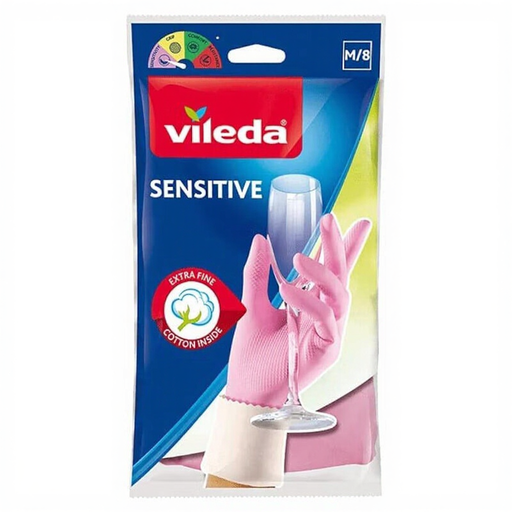
Why It Stands Out As reusable household gloves, the Vileda Sensitive offer a successful combination of protection and comfort. The thin natural rubber material allows for high tactile sensitivity, while the cotton inner lining ensures a pleasant feel on the skin.
Benefits
Who It's For These gloves are designed for users looking for a comfortable, grippy glove for daily dishwashing and light household cleaning. Note: This product contains natural latex and is not suitable for individuals with a known latex allergy.
Haven't found the right glove for your needs yet? For special requirements, such as for particularly sensitive skin, other specialized products are available.
Explore our selection of gloves for sensitive skin and find the perfect solution.
The main difference lies in the material and its associated properties. Nitrile gloves are made of synthetic rubber, are very tear-resistant, elastic, and offer good protection against chemicals. Vinyl gloves are made of PVC, are more cost-effective, but less elastic and durable. They are primarily suitable for short-term, low-risk tasks. Both are a good latex-free alternative.
Powder-free gloves should always be used when contamination must be avoided. This is the case in the medical field, in laboratories, and when processing food. The powder can also cause skin irritation or intensify allergic reactions to latex proteins, which is why powder-free models are generally considered more skin-friendly.
No, not all disposable gloves are automatically approved for contact with food. Only gloves explicitly marked as food-safe (often with the glass-and-fork symbol) guarantee that no harmful substances will transfer to the food. Be sure to look for this label when buying for the kitchen or food service industry.