
Lieferung heute & morgen

Qualitätsgarantie

Willkommens-Angebote freischalten: KOSTENLOSE Lieferung | Bis zu 80 % RABATT | Kostenlose 30-Tage-JoyPlus-Testphase
App herunterladen
A scratched smartphone display or a tabletop marked by oil, water and scratches can often be avoided. However, when choosing protective films for smartphones and tables, similar claims do not automatically mean a product is suitable. Compatibility, material, dimensions and the intended place of use are what matter.
A screen protector for an iPhone will not necessarily fit every iPhone generation. The camera area, display edges, speaker opening and casing shape may differ. The same applies to the Samsung Galaxy S25 Edge screen protector: the model name must be explicitly stated.
A similar issue can arise with table protection films if only the table size is taken into account. Cutting tolerances, rounded corners or a different tabletop shape can make a film appear too large or too small.
Terms such as “scratch-resistant” or “hardened” do not always describe the same test value. When buying smartphone screen protectors, you should also consider the material, fit, edge design and touch compatibility. An HD screen protector can keep the display clear, while a privacy filter reduces side visibility but may affect perceived brightness.
For table covers, material thickness is more important than a marketing term. A 2 mm table protection film made from PVC can sit more securely in everyday use and help dampen the noise of cutlery. However, it is not necessary for every type of table.
A model described as an anti-blue-light screen protector is not automatically a privacy film. A PanzerGlass Privacy product reduces the viewing angle from the side, whereas a transparent film keeps the table surface or display as visibly unchanged as possible. You should therefore decide on the specific purpose first: preventing scratches, reducing unwanted viewing, making cleaning easier or keeping the surface’s appearance visible.
Before buying, check the following:
A tempered glass iPhone screen protector will not protect the original surface from every type of damage. Manufacturer guidance points out that excessive bending or extreme force can damage the glass. Broken protective glass should be removed carefully and disposed of safely.
The following points are relevant for a transparent PVC table protection film:
PVC may initially develop waves after being unrolled. For the WOLTU models mentioned, a shrinkage or cutting tolerance of 1 to 5 mm is specified. Smoothing the film with a suitable heavy object can help it adapt.
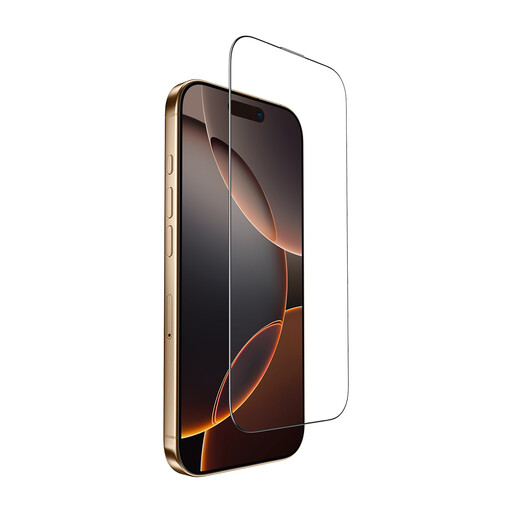
Why this product suits this profile: This model is aimed at iPhone users looking for a clear, dust-protected screen protector with a 2.5D full-screen design.
The product name specifies iPhone compatibility, an HD design and dust protection. You should still check the exact iPhone variant before buying.
2.5D full-screen design, black edge, plus the stated HD and dust-protection properties.
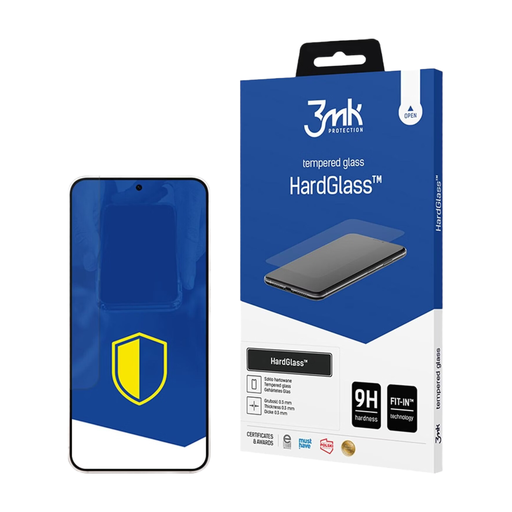
Why this product suits this profile: Its specific model allocation and stated touch sensitivity appeal to users who prioritise a precise fit.
Compatibility is explicitly stated for the Samsung Galaxy S25 Edge. According to the product information, it is not intended for use with other Galaxy models.
Tempered glass, a precise fit and stated bubble-free installation for one model.
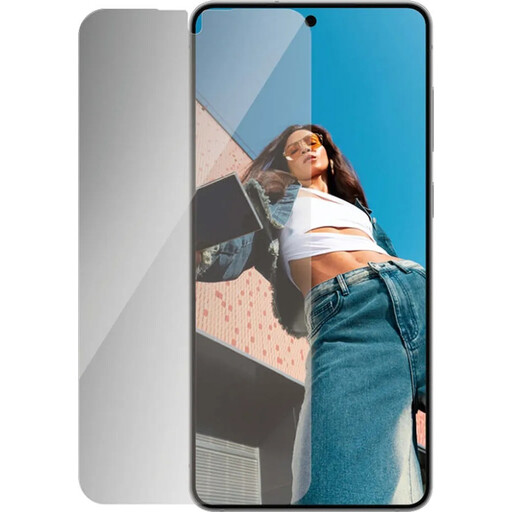
Why this product suits this profile: For public transport, cafés or offices, a reduced viewing angle from the side is a sensible selection criterion.
The privacy function is clearly stated. At the same time, the product description notes that the display may appear darker when viewed from the side.
Privacy filter, oleophobic coating, Ultra-Wide Fit and stated compatibility with the ultrasonic fingerprint sensor.
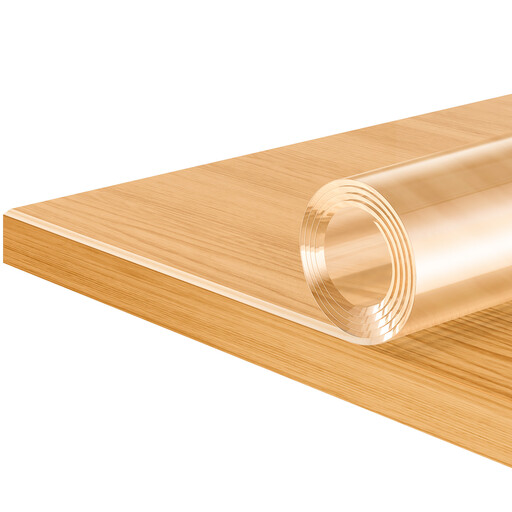
Why this product suits this profile: The rectangular PVC cover is suitable for tables with matching dimensions when you want the natural surface to remain visible and cleaning to be straightforward.
The dimensions of 70 x 110 cm and the 2 mm thickness are clearly stated. This allows you to check whether the cover fits the tabletop before buying.
Transparent 2 mm PVC, water- and grease-repellent surface, anti-slip texture and bevelled edge.
We have put together a complete, regularly updated list of products that fully meet these strict selection criteria and the safety regulations applicable in the EU.
Before applying a smartphone screen protector, the display should be switched off, dry and free from dust. Clean the surface with the supplied cloth and remove individual particles with a dust removal sticker. Then align the glass slowly and press it down from the centre outwards. If the glass is broken, gloves or careful removal with suitable protection are advisable.
A waterproof table cover will not be permanently damaged by standing water if the manufacturer’s instructions are followed. Nevertheless, liquids should be wiped away promptly so that they cannot get into the edges or underneath the film. Use a soft cloth and avoid harsh scouring agents unless they have been expressly approved.
For a larger table, the WOLTU version measuring 80 x 140 cm is also available. Both variants are supplied on a roll and can adapt to the surface beneath them after a short time.
Its lifespan depends on use, impacts, friction and the quality of installation. Visible cracks, lifting edges or impaired touch operation indicate that it should be replaced. A screen protector is a consumable item and does not replace careful handling of your smartphone.
Measure the length and width of the tabletop, and take its shape, edges and possible cutting tolerances into account. A transparent PVC table protection film with a thickness of 2 mm may be suitable for a dining room, kitchen or office. With delicate surfaces, first check whether heat, moisture or compatibility with plasticisers could be an issue.
No. Privacy glass is particularly useful when you want to reduce side visibility in public or shared spaces. For maximum brightness and an image that remains as unchanged as possible, a clear HD screen protector may be more suitable. Compatibility with the case, touchscreen and fingerprint sensor is also important.