
Lieferung heute & morgen

Qualitätsgarantie

Willkommens-Angebote freischalten: KOSTENLOSE Lieferung | Bis zu 80 % RABATT | Kostenlose 30-Tage-JoyPlus-Testphase
App herunterladen
The selection of protein bars on supermarket shelves and online is vast. Whether as a quick snack for muscle growth after a workout or as a convenient on-the-go meal, the protein bar has become a staple in any fitness-focused diet. But not every bar that promises "protein" on its packaging is a smart choice. Upon closer inspection, many products turn out to be overpriced candy bars with hidden drawbacks.
As your Joybuy Product Recommendation Officer, I'm here to help you navigate the marketing jungle. We'll shine a light on the most common pitfalls and show you the objective criteria that really matter, so you can make an informed decision.
Before you reach for the next protein bar box, you should be aware of two common marketing tactics that often lead to a poor choice.
To find the right fitness bar for your goals, you should focus on verifiable facts. The following three parameters are crucial.
The most important metric isn't the absolute protein content alone, but the ratio of protein to sugar. A good rule of thumb is a bar that provides at least 15 grams of protein with less than 5 grams of sugar per serving. A protein bar with no sugar or a very low sugar content is often the better choice to avoid unnecessary calories and a rapid blood sugar spike. Always check the nutrition label on the back.
The type of protein affects how well your body can use it for muscle growth.
A short, clean ingredient list is usually a good sign. Watch out for fillers like polydextrose and the type of sweeteners used. If you have a sensitive stomach, you should avoid products with a high maltitol content. Brands like Barebells protein bars are often known for their well-formulated recipes that balance great taste with solid nutrition.
Based on these objective criteria, we've selected a few products for different needs and preferences.
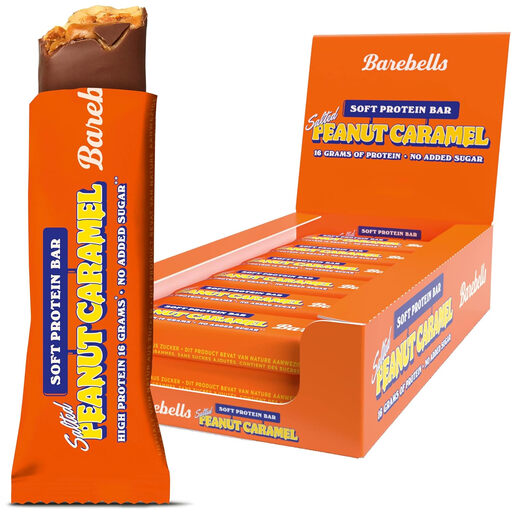
Why It's a Match: Ideal for anyone looking for a protein bar that tastes just as good as a candy bar but still delivers solid nutritional stats. The soft texture is a clear advantage over dry, chewy bars.
While the bar contains sweeteners like maltitol, it keeps the sugar content very low and simultaneously delivers a solid amount of milk protein, distinguishing it from a pure sugar bomb.
16 g of protein per bar with low sugar content. The soft texture and great taste are frequently cited by users as a key advantage.
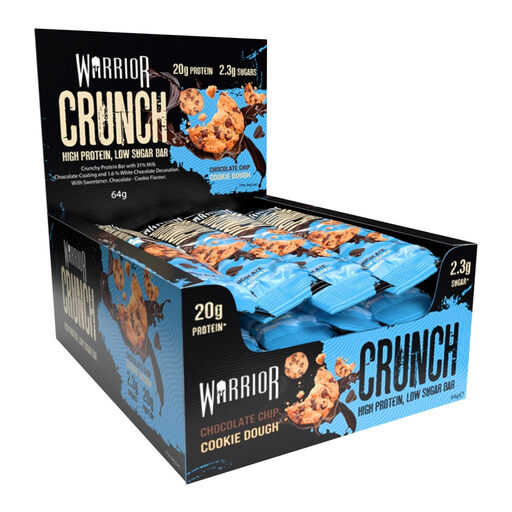
Why It's a Match: For athletes who track their macros meticulously. This bar is designed for maximum protein with minimal sugar and carbs.
It consistently avoids the "hidden sugar" trap by committing to a very low sugar level of just 2.2 g per bar, delivering a high dose of quality milk protein instead.
A high protein-to-sugar ratio with 20 g of protein. The multi-layered, crunchy texture provides a satisfying eating experience.
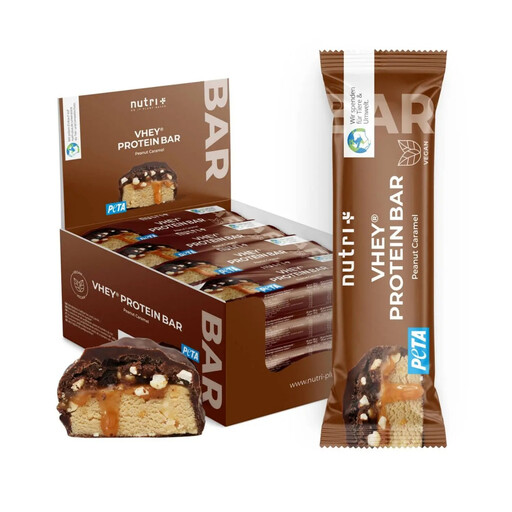
Why It's a Match: A purely plant-based option for those who avoid animal products. This bar was specifically developed to meet the needs of vegans looking for a reliable protein source.
It avoids the low-quality protein trap by using pea protein isolate, a high-quality plant-based source, instead of relying on incomplete proteins or fillers.
100% vegan with 11 g of protein per bar. The formula is tailored to the needs of a plant-based diet and offers a convenient protein boost.
We have compiled a complete, up-to-date list of products that fully meet these strict selection criteria and local regulations.
A protein bar works well as a snack to bridge the gap between meals or within 30-60 minutes post-workout to support muscle recovery. However, it shouldn't be a regular replacement for a whole-food meal, which offers a much broader range of nutrients.
Protein bars can be a helpful tool within a calorie-controlled diet. Protein promotes satiety, which can help reduce overall calorie intake. Additionally, an adequate protein supply helps preserve muscle mass during a diet. However, the key factor remains your overall daily energy balance.
A high-quality vegan protein bar is distinguished by a thoughtful blend of different plant-based protein sources, such as pea and rice, to ensure a complete amino acid profile. Here, too, you should look for low sugar content and the shortest possible ingredient list without unnecessary fillers.