
当日/次日达

品质保障

开启新人专享福利: 全场免邮 | 低至 2 折 | 免费试用 30 天 JoyPlus 会员
下载 Joybuy
By the Joybuy Product Recommendation Officer, 28 August 2026
The selection of protein bars on supermarket shelves or online can be overwhelming. Colourful packaging promises muscle growth, energy, and a healthy on-the-go snack. However, not every bar marketed as a "fitness bar" delivers on its promise. Upon closer inspection, many turn out to be overpriced candy bars with hidden drawbacks.
Before you make your choice, it's important to know the most common pitfalls that can lead to a poor purchasing decision:
To make an informed decision that fits your lifestyle and goals, you should focus on the objective facts.
Instead of being guided by marketing promises, pay attention to three verifiable parameters. These will help you objectively evaluate the quality of a protein bar.
A good protein bar should provide a solid foundation for your protein intake. A benchmark is at least 15 grams of protein per bar. This effectively supports the maintenance and growth of muscle mass, especially when the bar is consumed as a post-workout snack for muscle growth.
The protein source is also relevant:
A bar advertised as a sugar-free protein bar often contains sugar alcohols (polyols) such as maltitol, xylitol, or erythritol as sweeteners. These have fewer calories than conventional sugar and have a lower impact on blood sugar levels.
Check the nutrition label for the "of which sugars" line. A value below 5 grams per bar is a good sign. However, be aware that excessive consumption of sugar alcohols can have a laxative effect.
A short and understandable ingredients list is often an indicator of a well-thought-out product. Fibre (e.g., from polydextrose or acacia fibre) contributes to satiety and supports healthy digestion. If you prefer full control over the ingredients, a vegan protein powder or a whey-based one can also be an alternative for preparing shakes or your own snacks.
Here are some recommendations tailored to specific needs and preferences, taking the above criteria into account.

Why It's a Great Fit: Ideal for anyone who wants the taste of a classic candy bar without compromising on nutrition. It satisfies sweet cravings without derailing fitness goals.
This bar debunks the "glorified candy bar" trap. Despite its dessert-like taste, it delivers a high protein content and, according to the manufacturer, contains less than 2g of sugar.
20g of protein per bar to support muscle growth. Extremely low sugar content.

Why It's a Great Fit: A purely plant-based option that makes no compromises on taste or protein content. Perfect for athletes and health-conscious individuals following a vegan diet.
This bar solves the problem of vague protein claims by offering a clearly declared, purely plant-based protein blend (soy, wheat) for a complete vegan protein bar.
100% vegan ingredients. Delivers approx. 15g of protein per bar and contains no palm oil.
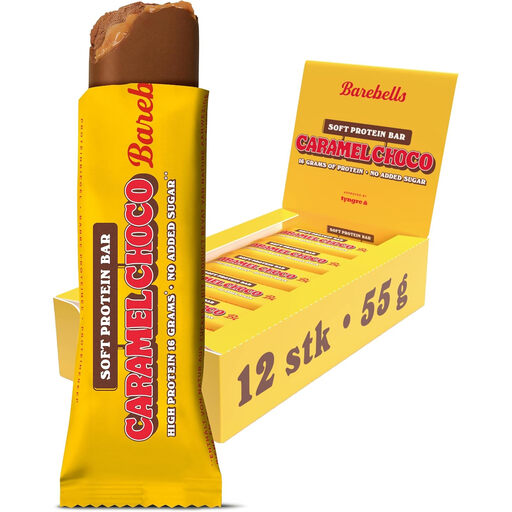
Why It's a Great Fit: For anyone who avoids hard or chewy protein bars. The soft consistency makes it a pleasant, easy-to-eat snack, whether post-workout or on the go.
This product bypasses the disappointment of an unpleasant, chewy texture. The "Soft" version of the Barebells bar was specifically developed for a soft, dessert-like experience.
Exceptionally soft texture. Delivers 16g of protein per bar with a low sugar content.
We have compiled a complete, up-to-date list of products that fully meet these strict selection criteria and UK/EU regulations.
A protein bar is versatile. Many athletes consume one within 30 to 60 minutes after a workout to support muscle recovery. However, it also works well as a high-protein snack between meals to prevent cravings, or as a quick alternative when there's no time for a full meal.
Protein bars can play a role in a calorie-controlled diet. Protein has a high satiety effect, which can help reduce overall calorie intake. A low-sugar bar can be a better alternative to conventional sweets. However, it is not a magic bullet and should be part of a balanced diet and an active lifestyle. Always pay attention to the total calories of the bar.
A high-quality protein bar is characterised by a combination of several factors: a high protein content (at least 15g), a low sugar content (under 5g), a clear and short ingredients list, and a protein source that fits your dietary needs (e.g., whey or a plant-based blend). Always read the nutrition label and the ingredients list instead of relying solely on the front of the packaging.