
Lieferung heute & morgen

Qualitätsgarantie

Willkommens-Angebote freischalten: KOSTENLOSE Lieferung | Bis zu 80 % RABATT | Kostenlose 30-Tage-JoyPlus-Testphase
App herunterladen
Protein bars have evolved from a niche product for athletes into a popular snack for a wide audience. However, the selection is vast, and the differences between products can be significant. This guide will help you understand the key criteria and make an informed decision when you want to buy protein bars—whether for muscle building, as a low-sugar alternative to sweets, or as a quick meal on the go.
Choosing the right protein bar depends heavily on your individual goals and nutritional needs. Here are some objective criteria to help guide you.
A look at the nutrition label is essential. A high-protein bar is characterized by its high protein content, typically ranging from 15 to 25 grams per bar. Protein contributes to the growth and maintenance of muscle mass.
The sugar content is just as important. Many people specifically look for low-sugar protein bars or varieties with no added sugar. Pay attention to the "of which sugars" line. Sugar alcohols (polyols) like maltitol or erythritol are often used as sweeteners. These have fewer calories than sugar but can have a laxative effect if consumed in excess.
The ingredients list reveals the quality and composition of the bar. Look for specific features that are relevant to you:
The type of protein can also be a selection criterion. Whey and casein are popular milk proteins. Plant-based alternatives like soy protein are not only an option for vegans but also offer a complete amino acid profile. The choice depends on personal preferences and any potential intolerances.
Based on the criteria above, we have compiled a selection of different protein bars that cater to various needs.
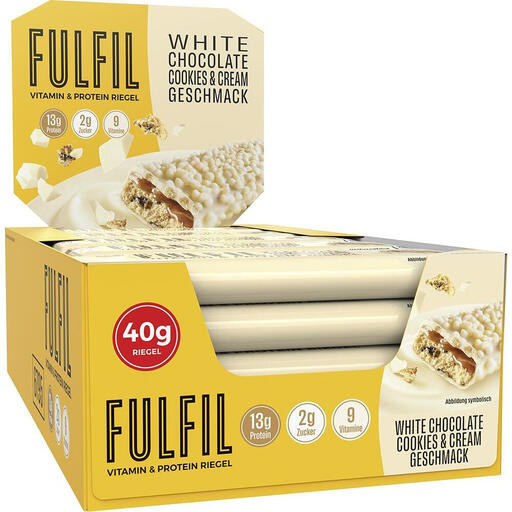
Why It Stands Out: This bar combines a solid protein content with the added benefit of being fortified with nine vitamins. With only 1.2 grams of sugar per 40-gram bar, it is clearly positioned in the low-sugar snack segment.
Benefits:
Who Is It For? This bar is a great choice for individuals who not only want to meet their protein needs but also contribute to their vitamin intake. It's a convenient snack for in-between meals that satisfies sweet cravings without significantly increasing sugar consumption.
Shop the FULFIL Protein Bar Box
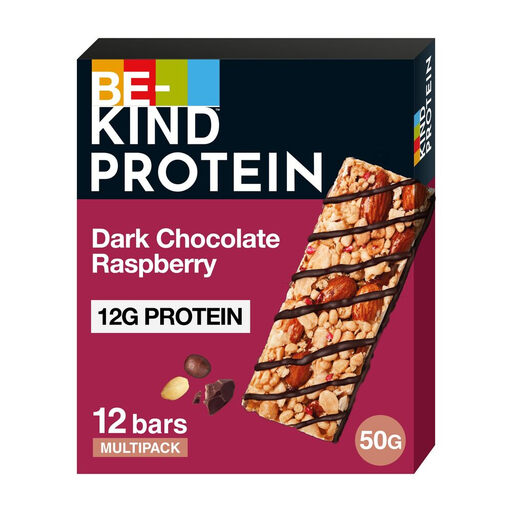
Why It Stands Out: The BE-KIND bar features whole nuts as its main ingredient. The combination of peanuts, almonds, and dark chocolate provides a satisfyingly crunchy texture and a high content of natural fats and fibre. It is also declared as a gluten-free protein bar.
Benefits:
Who Is It For? Ideal for health-conscious consumers who value natural ingredients and prefer a snack with a satisfying crunch. It's a great option for people with gluten intolerance and anyone looking for a nutritious, nut-based bar.
Shop the BE-KIND Protein Bar Box
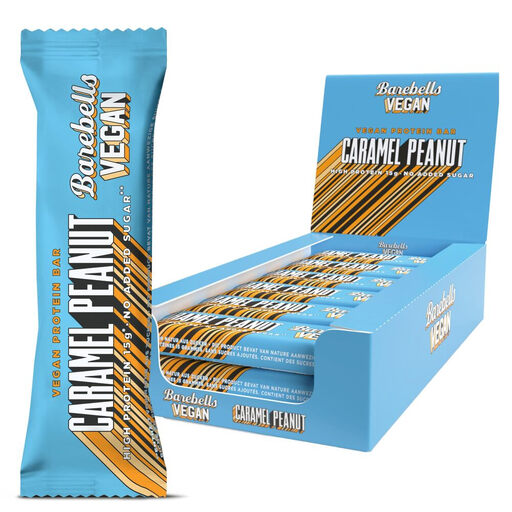
Why It Stands Out: As a fully plant-based bar, the Barebells Vegan proves that vegan protein bars can deliver on both taste and protein content. It contains no added sugar or palm oil and provides an impressive 15 grams of protein per unit.
Benefits:
Who Is It For? This bar is aimed at vegans, vegetarians, and anyone looking to reduce their consumption of animal products without sacrificing a protein-rich snack. It is an excellent choice for athletes and active individuals who prefer a plant-based protein source.
Shop the Barebells Vegan Protein Bar Box
Our selection represents just a small fraction of the available range. Everyone has different taste preferences and nutritional goals. If you want to discover more flavours, other brands, or bars with specific nutritional profiles, you are sure to find the right fit in our broader product category.
Explore Our Entire Selection of Protein Bars
A protein bar can be used flexibly. Many athletes consume one within 30 to 60 minutes after a workout to support muscle recovery. However, it also works well as a high-protein snack between meals to control hunger, or as a quick, convenient option when there's no time for a full meal.
Protein bars can be a useful part of a calorie-controlled diet. Protein has a high satiety effect, which can help reduce overall calorie intake. However, it's important to pay attention to the total calorie and sugar content of the bar. A low-sugar protein bar with a moderate calorie count is often the better choice. It should not, however, be used as a sole replacement for a balanced diet.
The main difference lies in the nutritional profile and purpose. A protein bar is designed to supply the body with a significant amount of protein and typically has a much lower sugar content than a conventional chocolate bar. While a chocolate bar serves primarily as a sweet treat, a protein bar is a functional food tailored to the needs of active or health-conscious individuals.