
Lieferung heute & morgen

Qualitätsgarantie

Willkommens-Angebote freischalten: KOSTENLOSE Lieferung | Bis zu 80 % RABATT | Kostenlose 30-Tage-JoyPlus-Testphase
App herunterladen
Protein bars have become a staple in gym bags and on store shelves. They promise a quick and convenient source of protein for muscle building or as a nutritious on-the-go snack. However, the market is overwhelming, and a closer look reveals that many products are just overpriced candy bars. Before you make a decision, it's crucial to understand the most common pitfalls so you don't fall for empty marketing promises.
As your Joybuy Product Recommendation Officer, I'm here to help you separate fact from fiction and make an informed choice.
The packaging is often attractively designed, promoting terms like "Fitness" or "High Protein." Yet, two key factors that significantly determine a bar's true value are frequently overlooked.
To ensure your chosen fitness bar serves its purpose, you should check three core parameters. These will help you objectively assess its quality.
A good benchmark for a bar intended to support muscle building is at least 20 grams of protein per serving. Even more important is the source:
For a health-conscious lifestyle, a low sugar content is crucial. A sugar-free protein bar or a low-carb protein bar is often the better choice. Pay attention to these values:
A short and understandable ingredient list is often a sign of a higher-quality product. A high fibre content (over 5 grams per bar) promotes satiety and aids digestion, making the bar an even better on-the-go protein snack.
Based on these objective criteria, we have selected a few products from our range that cater to different needs and goals.
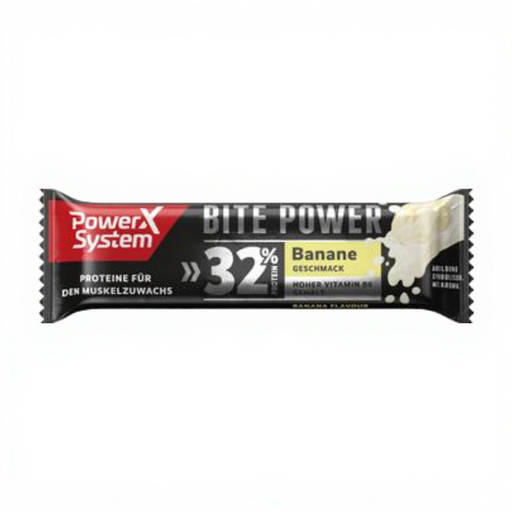
Why This Fits Their Persona: Ideal for anyone looking for a straightforward and budget-friendly protein snack on the go. The smaller 35g portion is perfect for satisfying post-workout hunger without breaking the bank.
The protein content is clearly declared at 32%. Thanks to the smaller portion size, the absolute sugar and calorie content remains manageable, thus avoiding the hidden calorie bomb trap.
Compact size fits in any bag. Solid protein content from milk protein and collagen hydrolysate for a quick snack.
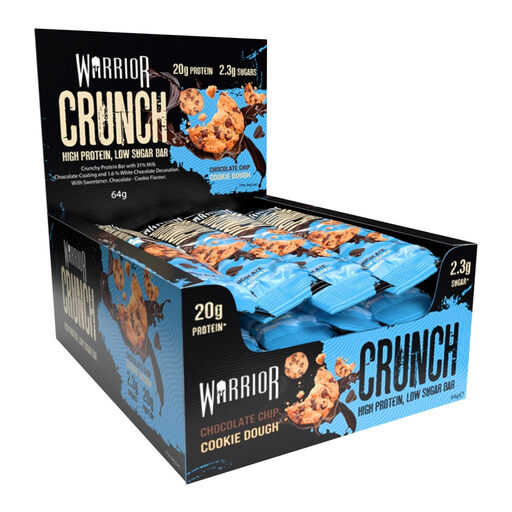
Why This Fits Their Persona: Perfect for athletes and health-conscious individuals following a low-carb or ketogenic diet. It offers the experience of a candy bar with a crunchy texture, without compromising their diet.
This bar tackles the sugar trap head-on: with only 2.2g of sugar per 100g (approx. 1.9g per bar), it's an excellent choice. The nutritional information lists polyols separately, ensuring transparency.
High protein content of 20g per bar. Very low in sugar and features a multi-layered, crunchy texture for a satisfying taste experience.
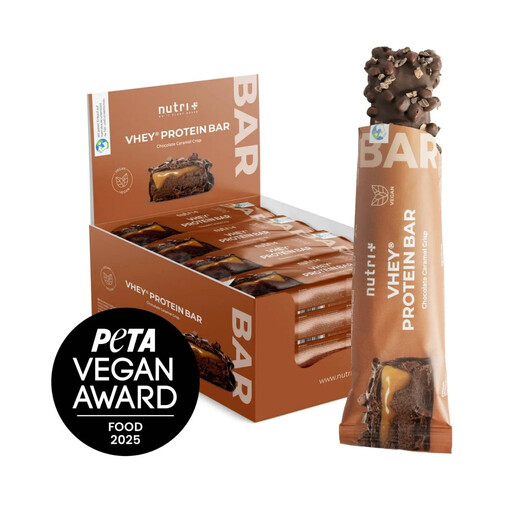
Why This Fits Their Persona: A purely plant-based option for those who avoid animal products but not a protein-rich snack. Ideal for vegans who need a convenient protein source for an active lifestyle.
This bar avoids the trap of hidden animal-based ingredients like whey or casein. The ingredient list is transparent and based on pea and hemp protein, making it a safe choice for vegans.
100% vegan with 13g of protein per bar. The combination of pea and hemp protein provides a good amino acid profile for a plant-based source.
We've compiled a complete, up-to-date list of products that fully meet these strict selection criteria and local regulations.
A protein bar can be used flexibly. As a post-workout snack, it supports recovery and muscle growth, as the body can utilize protein particularly well at this time. It's also suitable as a high-protein snack between meals to prevent cravings and bridge the gap until your next main meal.
Bars sweetened with polyols like maltitol, sorbitol, or xylitol are a good alternative to sugary versions because they have less impact on blood sugar levels and contain fewer calories. However, they should be consumed in moderation. As indicated on the products, excessive consumption can lead to digestive issues in sensitive individuals.
No, a protein bar should not be seen as a regular replacement for a balanced meal. It is designed as a supplement to increase protein intake or to serve as a convenient snack. It lacks the essential micronutrients, complex carbohydrates, and healthy fats found in a complete meal in sufficient quantities.