
Lieferung heute & morgen

Qualitätsgarantie

Willkommens-Angebote freischalten: KOSTENLOSE Lieferung | Bis zu 80 % RABATT | Kostenlose 30-Tage-JoyPlus-Testphase
App herunterladen
By the Joybuy Product Recommendation Officer, 28 July 2026
Protein bars are a convenient supplement for anyone with an active lifestyle. They promise a quick protein boost on the go and after a workout. But the market is saturated, and not every bar marketed as a "fitness bar" delivers on its promise. Many products feature misleading claims that can lead to a poor purchasing decision. Before you buy, you should know the three most common pitfalls.
To make an informed decision, you should focus on objective and verifiable features. The following three parameters will help you separate the wheat from the chaff.
The biological value of the protein is crucial for how well your body can use it. Pay attention to the order of the proteins in the ingredients list.
A close look at the nutrition label is essential to distinguish sugar-free protein bars from those with hidden sweeteners.
A good protein bar is characterised by a balanced nutritional profile and a clean, short ingredient list.
Based on the criteria above, we have compiled a selection of products suitable for different needs and goals.
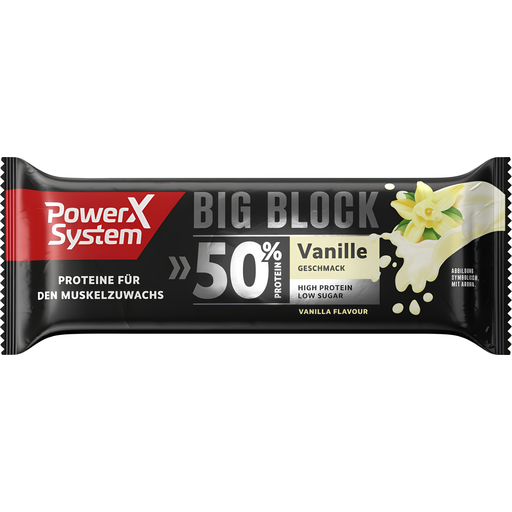
Why It's a Match: For athletes whose main focus is on maximum muscle growth and recovery, this bar delivers a very high dose of protein to meet the increased demand after intense training sessions.
This bar bypasses the Protein Illusion by delivering an extremely high 50% protein content based on milk and soy protein, while also avoiding the Sugar Trap with only 2g of sugar per 100g.
50g of protein per 100g bar to maximise support for muscle protein synthesis.
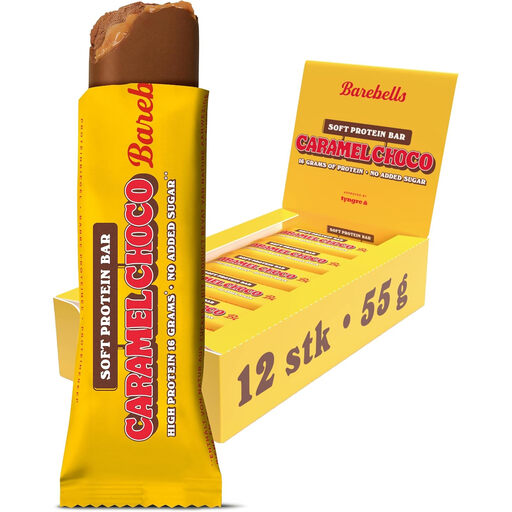
Why It's a Match: Ideal for those looking for a delicious, high-protein snack as an alternative to traditional chocolate bars, without compromising on taste or texture.
This bar debunks the 'unhealthy snack' myth by combining indulgence with solid nutritional value. With less than 2g of sugar per bar and full flavour, it's a much better choice than a candy bar.
A combination of soft texture and caramel-chocolate flavour with 16g of protein and a very low sugar content.
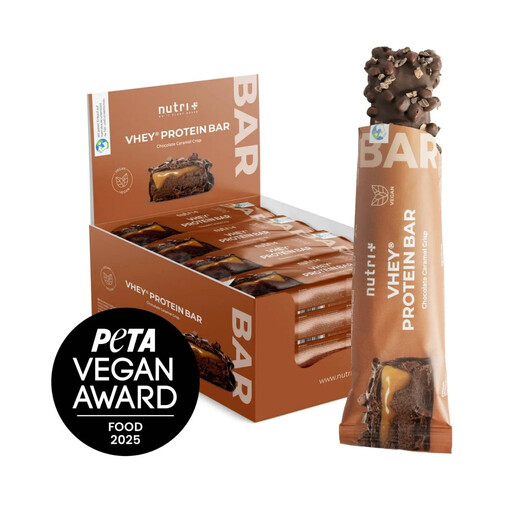
Why It's a Match: Specifically developed for vegans or individuals with lactose intolerance who are looking for a purely plant-based protein source to support their fitness goals.
This product solves the problem of unsuitable protein sources for vegans. It uses a blend of pea and hemp protein, thus bypassing the reliance on milk or whey proteins.
Purely plant-based protein sources (13g per bar) in a vegan formula suitable for mindful sports nutrition.

Why It's a Match: For anyone supplementing their diet with protein bars to build muscle, the right training equipment is essential. These dumbbells for home use provide a solid foundation for strength and endurance exercises.
Instead of investing in unstable or quickly worn-out equipment, this set offers a durable solution. The hexagonal shape prevents rolling, and the neoprene coating ensures a secure grip.
Sturdy cast-iron construction and a non-slip neoprene coating for a safe and effective workout.
We have compiled a complete, up-to-date list of products that fully meet these strict selection criteria and all relevant regulations.
The optimal time depends on your individual goals. Many athletes consume a protein bar within 30 to 60 minutes after a workout to support muscle recovery. It can also serve as a high-protein snack between meals to prevent cravings and ensure you meet your daily protein intake.
Protein bars can be helpful as part of a calorie-controlled diet. Protein has a high satiety effect, which can help reduce overall calorie intake. However, pay close attention to the bar's calorie and sugar content. A bar isn't a free pass; it must fit into your daily energy balance.
A high-quality protein bar is defined by a combination of several factors: a high-quality protein source (e.g., whey, casein, or a good plant-based blend), a low sugar content (ideally under 5g), a significant amount of fiber, and the shortest, most understandable ingredient list possible, free from unnecessary fillers.