
Lieferung heute & morgen

Qualitätsgarantie

Willkommens-Angebote freischalten: KOSTENLOSE Lieferung | Bis zu 80 % RABATT | Kostenlose 30-Tage-JoyPlus-Testphase
App herunterladen
By a Joybuy Product Recommendation Officer, August 29, 2026
Protein bars have become a staple in supermarket aisles and gym bags alike. They promise a quick and convenient source of protein on-the-go, after a workout, or as a midday snack. However, the market is crowded, and not every bar marketed as a "fitness bar" delivers on its promise. Upon closer inspection, many products turn out to be little more than overpriced candy bars with some added protein.
This guide will help you identify the common purchasing pitfalls and make an informed decision that aligns with your goals—whether that's muscle building, a mindful diet, or simply a nutritious snack.
Before we dive into the selection criteria, it's crucial to understand the most common marketing traps that often lead to the wrong choice.
The Hidden Sugar Trap: Many bars advertise a high protein content while simultaneously concealing an equally high amount of sugar. Terms like glucose syrup, fructose, invert sugar syrup, or dextrose indicate added sugar, which quickly puts the bar in the same category as a conventional candy bar. A high sugar content can counteract the positive effects of the protein, especially if your goal is weight management or maintaining stable blood sugar levels.
The Protein Quality Bluff: The "High Protein" claim alone doesn't tell the whole story. The quality and composition of the protein sources are critical. Some manufacturers use a high proportion of collagen hydrolysate which, while technically a protein, does not offer a complete amino acid profile for muscle building. A high-quality bar for muscle growth should be based on protein sources like whey, casein (milk protein), or a well-designed plant-based blend.
To find the right protein bar, you need to scrutinize the nutrition facts and ingredient list. Three metrics are particularly relevant.
A key indicator of a bar's quality is the ratio of protein to sugar. A bar with 20 grams of protein but also 20 grams of sugar is unsuitable for most athletic or health-related goals. Look for products where the protein content significantly exceeds the sugar content. A protein bar with no sugar or a very low sugar content (typically under 5 grams per bar) is often the better choice. These usually use sugar alcohols (polyols) like maltitol or erythritol, which have fewer calories and barely affect blood sugar levels.
The biological value of the protein is important for how your body utilizes it. Pay attention to the order of the proteins in the ingredient list:
A good low-carb bar is not only low in carbohydrates but often high in fibre. Fibre promotes satiety and supports healthy digestion. Look for ingredients like polydextrose or fructo-oligosaccharides.
Regarding sweeteners, note that sugar alcohols (identifiable by the "-it" or "-ol" suffix, e.g., maltitol, sorbitol) can have a laxative effect if consumed in excess. This is a legally required warning on the packaging that you should take seriously.
Based on the criteria above, we've curated a selection of products for various needs.
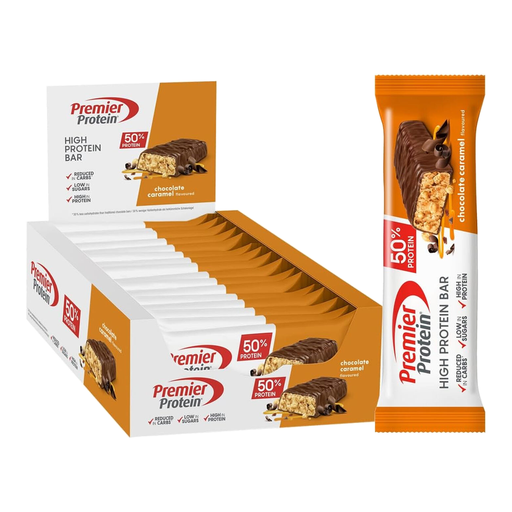
Why This Fits Their Persona: For athletes aiming for maximum protein intake to support muscle growth and recovery. The focus here is clearly on nutritional composition, not on a sweet treat.
This bar bypasses the "protein bluff" with a very high 50% protein content and the "sugar trap" with, according to the manufacturer, no more than 0.8g of sugar per bar.
20g of protein per 40g bar. Based on a blend of whey protein, collagen hydrolysate, and soy protein. Palm oil-free.
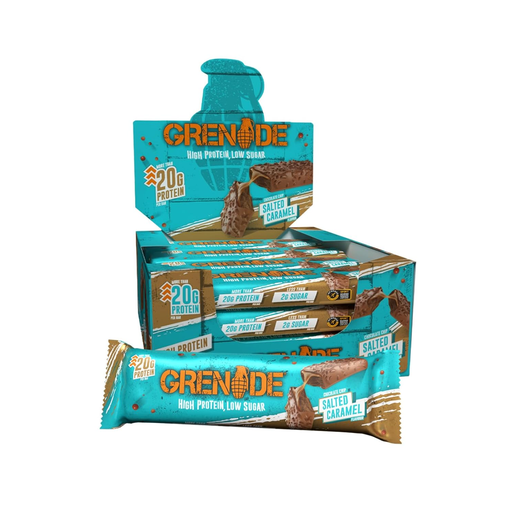
Why This Fits Their Persona: For those who want a bar that tastes like a candy bar but has the nutritional profile of a fitness snack. Ideal for satisfying cravings without derailing dietary goals.
This bar is the direct answer to high-sugar "fitness bars." It offers a multi-layered taste experience reminiscent of a chocolate bar, but with high protein and low sugar.
21g of protein per bar with a simultaneously low sugar content. The protein blend is based on casein and whey protein isolate.
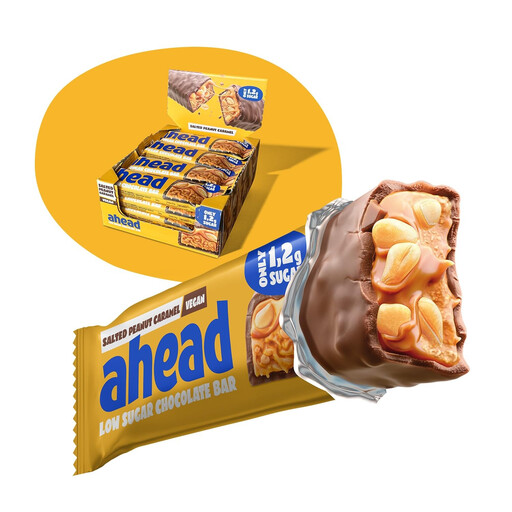
Why This Fits Their Persona: Perfect for individuals following a ketogenic or low-carb diet who need a snack that supports their nutritional approach. Also suitable for vegans who need a plant-based protein option.
This bar is explicitly designed as "Low Sugar" and uses sweeteners like erythritol and maltitol. It is transparent in its composition and specifically targets users who avoid carbohydrates.
Vegan and high in fibre to support satiety. Contains no added sugar and no palm oil, according to the manufacturer.
We've compiled a complete, real-time updated list of products that fully meet these strict selection criteria and UK regulations.
Most manufacturers recommend consuming one to two bars per day. It's important to understand that protein bars are dietary supplements and should not replace whole meals. They are meant to complement a balanced diet, especially on days with increased protein needs due to physical activity or when a quick, nutritious snack is needed. Always follow the consumption recommendation on the packaging.
A good protein bar can be identified by its ingredient list and nutrition facts. Look for the following points:
Protein bars can play a supportive role in weight management. Due to their high protein and often high fibre content, they can promote satiety and help prevent cravings for more calorie-dense, nutrient-poor snacks. A low-carb bar can be particularly useful for controlling overall carbohydrate and calorie intake. Ultimately, however, your total daily calorie balance is the deciding factor for successful weight loss. A bar alone is not a solution, but it can be a practical tool within a calorie-conscious and balanced diet.