For your morning coffee break, it’s worth choosing a protein bar based on the portion you’ll actually eat, rather than relying solely on the words ‘high protein’. After a workout, the amount of protein per bar may be your main consideration. For a sweet snack or if you have specific dietary requirements, energy, sugar, sweeteners and allergens matter too. The German Nutrition Society points out that recreational exercise does not automatically mean you need to eat more protein.
Who should consider these selection criteria?
People who need a snack on the go after exercise
If you want to eat a bar on your way to work after a workout, the amount of protein per serving is a useful point of comparison. However, the German Nutrition Society says that recreational exercise does not automatically mean you need more protein.
Anyone in the mood for a sweet snack
If you sometimes want a bar instead of a pastry with your coffee, compare the energy, sugar and protein in the portion you’ll eat. A protein claim alone doesn’t tell you everything about the recipe, as Germany’s consumer advice centres explain in their guidance on nutrition claims.
People with vegan or allergen-related requirements
If there are ingredients you need to avoid, check the label for the specific variety. Recipes and ‘may contain’ warnings can vary even within the same product range.
What should you look for when buying?
First, think about what you want the bar to do for you during your coffee break. Then compare the figures for the portion you’ll actually eat and check the ingredients if needed.
| What matters to you |
What to check |
Who it matters most to |
| Protein per bar |
Check the protein in g per bar and the serving weight; don’t confuse this with figures per 100 g. |
After a workout, I want to take a bar with a clearly stated protein serving and consider it as part of my overall diet. This serving is the main consideration for around 31% of consumers. |
| A sweet coffee-break snack |
Compare the energy, sugar and protein in the portion you’ll eat, along with the ingredients. |
I’m looking for something sweet to have with my coffee instead of a pastry, but don’t want to judge it by its protein claim alone. This is the main reason for buying a snack for around 31% of consumers. |
| Ingredients that suit your needs |
Check the vegan label, ingredients, highlighted allergens and any ‘may contain’ warnings for the specific variety. |
If I need to avoid animal-derived ingredients or specific allergens, the exact recipe comes first. Around 23% of consumers prioritise these requirements. |
| Sweeteners and nutritional values |
Check the ingredients list and, where relevant, polyols; also look at the energy and sugar per serving. |
I want to avoid certain sweeteners or check the nutritional values of my snack more closely. This is the top priority for around 15% of consumers. |
Which buying pitfalls can you avoid?
-
Judging the whole bar by its ‘high protein’ claim
A protein claim says nothing about the bar’s sugar, fat or other ingredients. Germany’s consumer advice centres point out that one nutrition claim doesn’t give you the full picture of a product’s recipe.
Focus on the nutritional values for the portion you’ll eat, and check the ingredients list too.
-
Assuming you need a bar for your workout
The German Nutrition Society explains that recreational exercise doesn’t automatically mean you need more protein. A bar can be a handy snack to take with you without being essential for recovery.
Consider the protein serving as part of your overall diet and choose a bar for the kind of snack you want, rather than assuming you need extra protein.
-
Overlooking sweeteners and ‘may contain’ warnings
Some bars contain polyols (sugar alcohols); Germany’s Federal Institute for Risk Assessment notes that excessive consumption may cause digestive discomfort. If you have an allergy, the information for the specific variety is important too.
Check the ingredients list, nutritional values, highlighted allergens and ‘may contain’ warnings on the packaging.
Brands to help you choose
Barebells
The brand offers classic, soft and vegan protein bars, among other options.
- Barebells states that its bars contain 15–20 g of protein per bar, depending on the variety.
- Check the ingredients and allergen information for your chosen variety; Barebells notes that some contain lactose or may contain traces of allergens.
ESN
The Designer Protein Bar is an option if a clearly stated protein serving is important for your sweet snack.
- ESN states that its Designer Protein Bar contains 14–15 g of protein, depending on the variety.
- Check the ingredients, sweeteners and allergen information for each variety rather than assuming they apply to other ESN bars.
REWE PWR
A REWE own-label range of protein bars, available from the supermarket retailer.
- REWE states that its PWR Protein Riegel Brownie contains 13.5 g of protein per 45-g bar.
- The nutritional values for the Brownie bar don’t necessarily apply to other varieties; this product also contains polyols.
AlpenPower
The BIO Vegan Protein Riegel is aimed at shoppers looking specifically for a vegan-labelled recipe.
- AlpenPower describes this bar as vegan, gluten-free, lactose-free and soya-free.
- Even with these claims, the ingredients and nutritional values for the specific variety remain important when choosing.
Protein bars for different coffee-break snacks
These protein bars are portioned options for a coffee-break snack or something to take with you. Compare the pack size, information per bar and ingredients for each variety; this selection doesn’t mean that the same recipe will suit everyone.
 Image unavailable
Barebells Protein Bar Cookies & Cream, 12 × 55 g
If you’re planning to have a single serving of protein on the go, compare the nutritional values of the 55-g bar with your usual coffee-break snack. If you have a milk or soya allergy, check the allergen and ‘may contain’ information for this variety.
View at Joybuy
 Image unavailable
BE-KIND Protein Caramel Nut, 12 × 50 g
For a portioned snack with your coffee, compare the nutritional values per 50-g bar. If you’re allergic to peanuts, milk or soya, check the label; information about other nuts is relevant too.
View at Joybuy
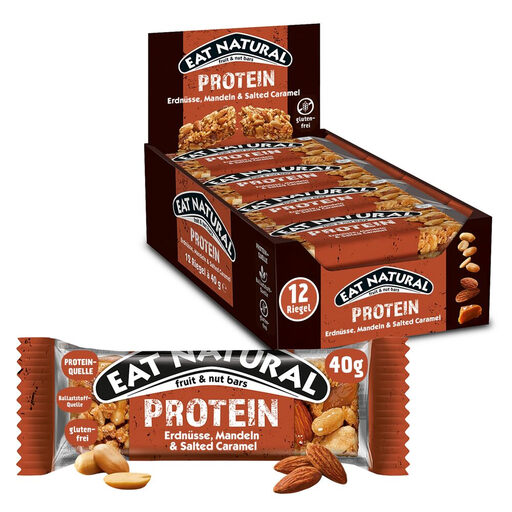 Image unavailable
Eat Natural Protein Bars Peanuts Almonds & Salted Caramel, 12 × 40 g
The 40-g serving gives you a useful starting point for comparing it with your usual coffee-break snack. Remember to relate figures per 100 g to the amount you eat, and if you have allergies, check especially for peanuts, almonds, milk and soya.
View at Joybuy
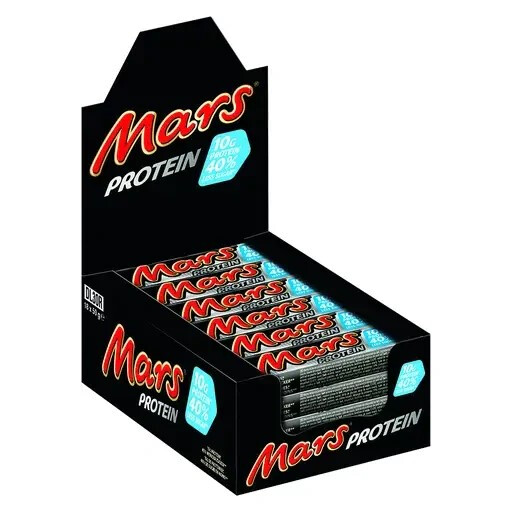 Image unavailable
Mars Protein Bars, 18 × 50 g
If you’re considering this bar instead of another sweet snack, compare the energy and sugar in the 50-g serving rather than relying only on individual figures on the front of the pack. Check the allergen information for milk, soya, egg or gluten-containing ingredients.
View at Joybuy
 Image unavailable
Corny Crunchy Cookie Flavour Protein Bar, 30% protein, no added sugar, 12 × 45 g
For your coffee break, check the nutritional values per 45-g bar before comparing it with other servings based on the figures in the name. Also check the ingredients list for maltitol and sucralose, as well as the allergen information and warnings about excessive consumption.
View at Joybuy
Frequently asked questions
What does ‘source of protein’ mean on a bar?
The claim ‘source of protein’ refers to the proportion of energy that comes from protein; it isn’t an assessment of the whole bar. Under the EU Regulation on nutrition and health claims, at least 12% of the energy value must come from protein for this claim to be used. You should also check the sugar, fat and ingredients.
Do I need a protein bar after exercise?
A protein bar isn’t automatically necessary after exercise. The German Nutrition Society explains that recreational exercise doesn’t automatically mean you need more protein; when choosing a snack, consider how it fits into your overall diet.
How do I check for allergens in protein bars?
Read the ingredients list, highlighted allergens and any ‘may contain’ warnings on the packaging for the specific variety. EU rules cover allergen information for prepacked foods; a brand name alone doesn’t tell you about every variety.
How can I spot sugar alcohols in a bar?
Look for terms such as maltitol or sorbitol in the ingredients list and nutritional information, as well as the term ‘polyols’. Germany’s Federal Institute for Risk Assessment notes that excessive consumption may cause digestive discomfort, so check the information on the specific packaging too.


