
Lieferung heute & morgen

Qualitätsgarantie

Willkommens-Angebote freischalten: KOSTENLOSE Lieferung | Bis zu 80 % RABATT | Kostenlose 30-Tage-JoyPlus-Testphase
App herunterladen
The market is saturated with a huge variety of protein bars. Whether you need a quick energy boost after a workout, a protein-rich snack at the office, or a healthy treat on the go, there's a bar for almost every need. However, they differ significantly in nutritional value, ingredients, and flavour.
This guide is here to help you navigate the options. We'll introduce the key criteria for selecting a protein bar and present a curated selection of products for different needs. Our goal is to provide you with the objective information you need to make an informed purchase.
To find the right protein bar for your individual needs, these three criteria can help guide your decision.
Protein content is a key factor. A high-protein bar can contain up to 50% protein, while other varieties hover around 20–30%. The right choice depends on your personal goals. For supporting muscle growth after a workout, a higher protein content can be beneficial, whereas a moderate amount is often sufficient for a satisfying snack.
The protein sources are also diverse:
Many consumers specifically look for a low-sugar protein bar. Manufacturers often replace sugar with sugar alcohols (polyols) like maltitol, erythritol, or xylitol, as well as with sweeteners like sucralose.
A quick look at the "of which sugars" line in the nutrition facts table will give you a clear picture.
The intended use determines the ideal composition. A fitness bar for post-workout recovery often has a different nutritional profile than a light snack to curb hunger.
The flavour profile is also crucial. Alongside classic sweet options like chocolate or caramel, savoury alternatives are becoming increasingly popular. For those looking for a change from sweet bars, a savoury snack based on meat or nuts is an interesting option.
Based on the criteria above, here are three different products that cater to various needs.
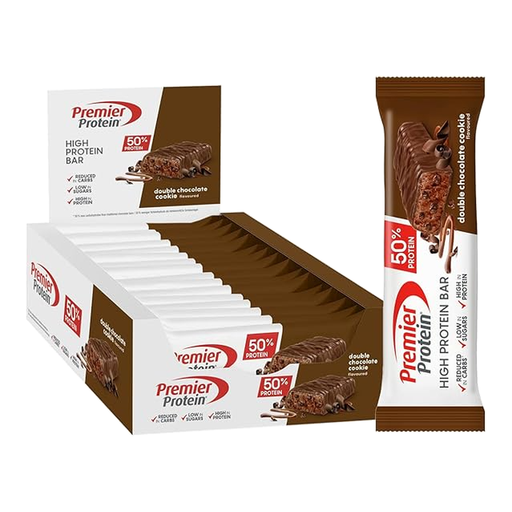
Why it stands out: This bar is distinguished by its high protein content of 50%, which the manufacturer claims is the highest in the Premier Protein range. It's designed as a low-sugar option, combining a soft texture with crunchy crispies.
Benefits:
Who is it for? Individuals looking for a snack with maximum protein and minimal sugar, for instance, to support their fitness goals or as a satisfying snack within a carb-conscious diet.
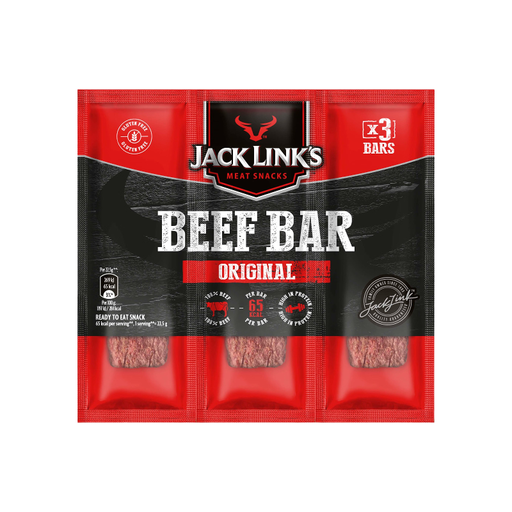
Why it stands out: The Jack Link's Beef Bar is a savoury alternative to the typically sweet protein bars. It's made from high-quality beef and offers a rich, spiced flavour experience.
Benefits:
Who is it for? Users who prefer a savoury snack and want a protein source other than dairy or plants. Ideal for outdoor activities, travel, or as a flavourful alternative in your daily routine.
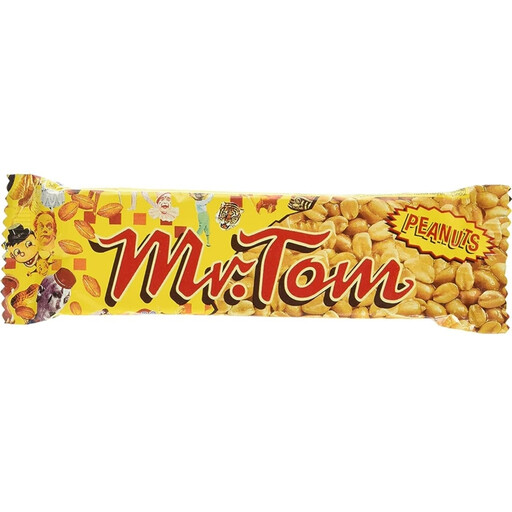
Why it stands out: Mr. Tom is a well-known classic, distinguished by its simple recipe and high peanut content. It provides a natural, plant-based protein source in the form of a crunchy bar.
Benefits:
Who is it for? For fans of the classic peanut-caramel flavour who want a straightforward energy bar with a solid amount of plant-based protein. A great choice for a quick energy boost or as a vegan protein bar for in-between meals.
Didn't find the right bar for you in this selection? There are countless other varieties that differ in taste, composition, and price.
? Explore our entire selection of Energy & Snack Bars here.
A protein bar can be used flexibly. Many athletes consume one within 30–60 minutes after a workout to support muscle recovery. However, it also works well as a filling snack to prevent cravings or as a convenient protein source when travelling and a full meal isn't available.
The main difference lies in the nutritional composition. A protein bar is designed to deliver a high amount of protein, often with reduced sugar and fat. In contrast, a classic energy bar focuses primarily on providing quick energy through carbohydrates (e.g., from oats, fruits, or sugar) and typically has a lower protein content.