
Lieferung heute & morgen

Qualitätsgarantie

Willkommens-Angebote freischalten: KOSTENLOSE Lieferung | Bis zu 80 % RABATT | Kostenlose 30-Tage-JoyPlus-Testphase
App herunterladen
Finding the right protein bar can often be a complicated task. The market is flooded with options, and nutritional information isn't always easy to understand at a glance. Whether you need a quick healthy on-the-go snack, something to support muscle growth after a workout, or a satisfying alternative to sweets, the demands placed on a protein bar are diverse.
This guide is here to help. We will introduce you to various options and explain the key criteria to consider when making your choice, enabling you to make an informed decision that aligns with your personal goals.
To find the perfect bar for your needs, it's essential to examine the nutritional values and ingredients. Three key aspects will help you evaluate your options.
Protein content is the core feature of any protein bar. A high amount is often desirable, especially for athletes. Pay attention to the absolute protein content per bar (in grams) and its percentage of the total weight. The protein sources also vary: whey protein, milk protein, soy protein, and collagen hydrolysate are common ingredients. Your choice will depend on personal preferences and any potential intolerances.
Many people specifically look for a low-sugar protein bar or a low-carb bar. In this case, a close look at the nutrition facts table is crucial. Check the line item "of which sugars." Some manufacturers use sugar alcohols (polyols) like maltitol or xylitol as sweeteners. These have fewer calories than conventional sugar but can have a laxative effect if consumed in excess. A bar with no added sugar doesn't necessarily mean it's sugar-free, as ingredients like fruit or honey can contain natural sugars.
A short and understandable ingredient list is often a good sign. High-quality fitness bars rely on natural ingredients and avoid unnecessary fillers or artificial flavours. A high fibre content can also promote satiety and support digestion. You should also check the list for potential allergens like nuts, soy, or gluten if you have any sensitivities.
Based on objective product features like nutritional values and composition, we have compiled a few interesting options for you.
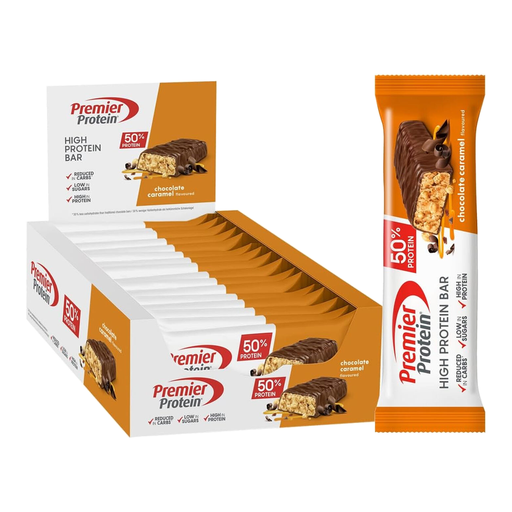
Why it stands out: This bar is distinguished by its exceptionally high protein content of 50%. With only 0.8 grams of sugar per 40-gram bar, it's a clear choice for anyone looking to minimise their sugar intake. Furthermore, it is made without palm oil.
Advantages:
Who is it for? This bar is ideal for individuals whose main focus is on maximising protein intake while minimising sugar and carbohydrates. It is particularly suitable for supporting muscle growth or as part of a low-carb diet.
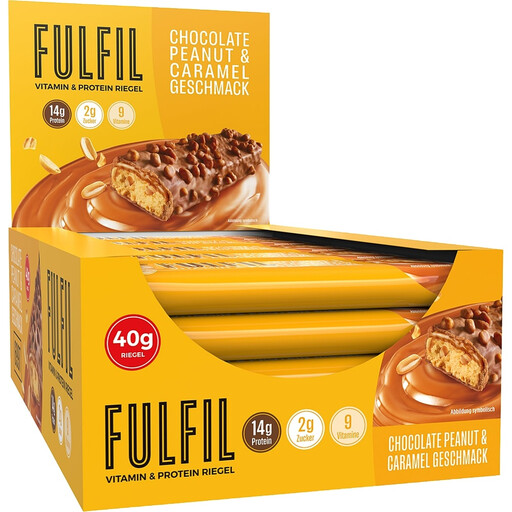
Why it stands out: The Fulfil bar combines a solid protein content with the added benefit of nine vitamins, including Vitamin C, E, and various B vitamins. This makes it more than just a simple protein bar.
Advantages:
Who is it for? This bar is aimed at those looking for a nutritious snack that not only provides protein but also contributes to their daily vitamin intake. It's a great choice as a healthy on-the-go snack to satisfy cravings and boost nutrient levels at the same time.
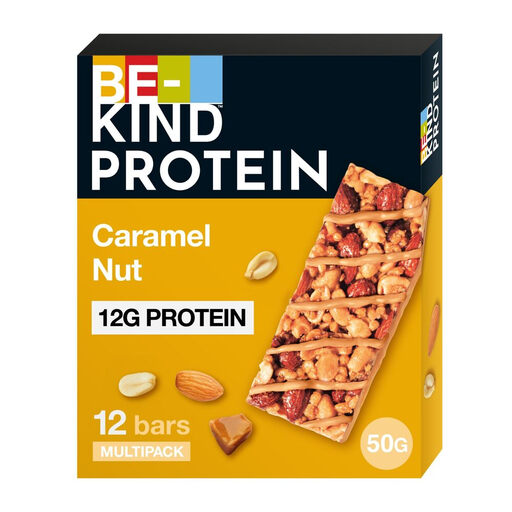
Why it stands out: The BE-KIND bar sets itself apart with its ingredient list, which features whole nuts (peanuts) as the primary ingredient. It focuses on a more natural composition and, according to the manufacturer, contains no artificial colours, flavours, or preservatives.
Advantages:
Who is it for? This bar is an excellent choice for anyone who values recognisable and less-processed ingredients. If you prefer a snack with the bite and taste of real nuts while also getting a good dose of protein, this is a fitting option.
If you are specifically interested in nut-based snacks that offer a crunchy texture and the full flavour of nuts, our wider selection of caramel nuts might be of interest. There you will find more options for a nutritious treat between meals.
1. When is the best time to eat a protein bar? A protein bar can be used flexibly. Many people eat one immediately after a workout to support muscle recovery. However, it also works well as a filling mid-morning or afternoon snack to prevent cravings, or as a high-protein alternative to a dessert.
2. Are protein bars suitable for weight loss? Protein bars can be a helpful part of a calorie-controlled diet. Protein has a high satiety effect, which can help reduce overall calorie intake. A bar can replace a sugary treat. However, the crucial factor is always your total daily energy balance.
3. How can I identify a low-sugar protein bar? The most reliable way is to check the nutrition facts table under "Carbohydrates" and the sub-category "of which sugars." A value of less than 5 grams of sugar per 100 grams is considered low-sugar. Compare this value across different products to make an informed choice, as described in the buying guide above.