Households that regularly need break-time snacks
If you plan to pack a bar as an extra snack on several school days, a multipack makes sense if your child will actually eat the flavour you choose and you can use up the supply in good time.


A protein bar multipack may be a suitable choice for the school break if your child already enjoys the flavour, the ingredients are suitable and the bars are only used occasionally to supplement a planned break-time meal. The number of bars and the portion size should match how many are actually likely to be eaten; a high protein content alone does not make a bar a complete break-time meal. The Federal Centre for Nutrition describes the school break as a supplement to a balanced breakfast and recommends including a variety of foods in a lunchbox.
If you plan to pack a bar as an extra snack on several school days, a multipack makes sense if your child will actually eat the flavour you choose and you can use up the supply in good time.
If someone has an allergy or needs to follow specific ingredient requirements, check the label for each individual flavour. This is particularly important with variety boxes, as the bars they contain may have different recipes.
A bar can be packed for a long school day, but it shouldn’t replace a varied break-time meal. The Federal Centre for Nutrition recommends including a range of foods in a lunchbox to supplement breakfast at home.
First, decide whether the bars are suitable as an occasional extra for the school break. Then consider the ingredients in the specific flavour, whether it’s likely to be enjoyed over several school days and whether the pack size is right for you.
| What to consider | What to check before buying | Who it matters most to |
|---|---|---|
| Right amount for your household | Check the number of bars and the best-before date against how many you plan to eat. | If I only pack a bar occasionally, I don’t want to choose a pack that will be left uneaten. For around 33% of consumers, the amount in the pack that they can use is the main consideration. |
| Ingredients and labelling | Read the ingredients, highlighted allergens and information about sweeteners for every flavour you choose. | If I have an allergy or need to follow specific ingredient requirements, I need to know whether every flavour in the pack is suitable. Around 33% of consumers give these checks the highest priority. |
| Flavours in the multipack | Check the list of flavours and, if possible, try an unfamiliar one individually before buying a multipack. | If a pack contains lots of the same bar, I want to be sure they’ll be eaten over several breaks. For around 20% of consumers, whether the bars will be enjoyed is the most important criterion. |
| Portion size and role as a snack | Check the bar’s weight and protein content per bar; don’t plan to use it as a complete break-time meal. | If I’m looking for an extra snack, I want to understand the portion size without treating it as a whole meal. Around 14% of consumers prioritise portion size and protein content. |
This claim doesn’t mean a bar is free from sweeteners or sugar alcohols. The consumer advice centre Verbraucherzentrale warns that large amounts of sugar substitutes can have a laxative effect.
Read the ingredients, nutritional information and guidance for the flavour you choose. If the bar is new to you, try an individual one before buying a larger pack.
A multipack is little use if you stop enjoying the flavour or texture after a few breaks. With a variety box, some flavours may also be more popular than others.
Compare the number of bars and the list of flavours with your household’s preferences, and check the best-before date.
Protein content is only one part of the nutritional information. The Federal Centre for Nutrition recommends a varied break-time meal, while the consumer advice centre Verbraucherzentrale says that extra protein is generally not necessary to meet people’s needs in Germany.
Only compare protein content per bar if you’re looking for an extra snack, and plan the rest of the food for the school break separately.
Different flavours may contain different ingredients and have different nutritional values. So you can’t assume that the label for one bar applies to the whole box.
Before buying, check the list of flavours and the ingredients and allergen information for every flavour in the pack.
These examples show different pack formats and ingredient considerations. Information about individual products does not necessarily apply to a brand’s entire range.
The Lieblingsriegel Box is aimed at households who want to try several flavours in a 12-bar pack. Barebells states that its bars contain 15–20 g of protein, depending on the flavour.
The Designer Bar is available in a pack of 12 × 45 g. ESN states that each bar contains up to 15 g of protein; before buying in bulk, make sure you already know the flavour.
The More Protein Bar is available in a 10-bar pack, with each bar weighing 50 g. Check the protein content and nutritional values for the flavour you choose.
An individual Sportness protein bar can help you try the flavour and check the ingredients before deciding whether to buy a larger supply; it isn’t a multipack itself.
These multipacks may suit you if you want to keep a supply of bars for occasional extra snacks during the school break. The key things to consider are the number of bars, whether the flavour is likely to be enjoyed and the ingredients on the label of the specific pack you choose.
 Image unavailable
For households planning to pack the same flavour as an extra snack over several school days. The product name specifies twelve bars, each weighing 55 g; check the ingredients and information on the specific pack before buying in bulk.
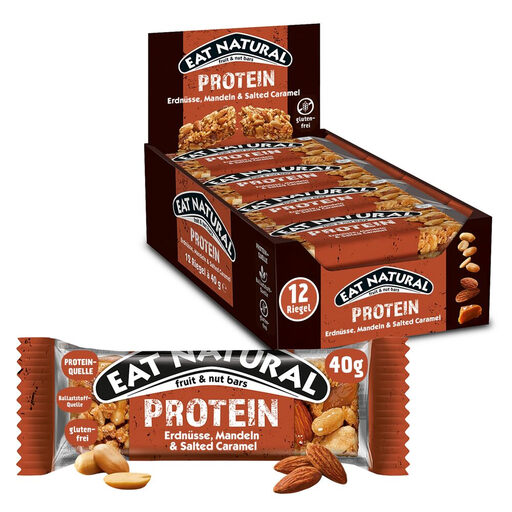 Image unavailable
For keeping a supply of bars in one set flavour. The product name specifies twelve 40 g portions and lists peanuts and almonds; if any ingredients are relevant to your household, check the label on the specific pack.
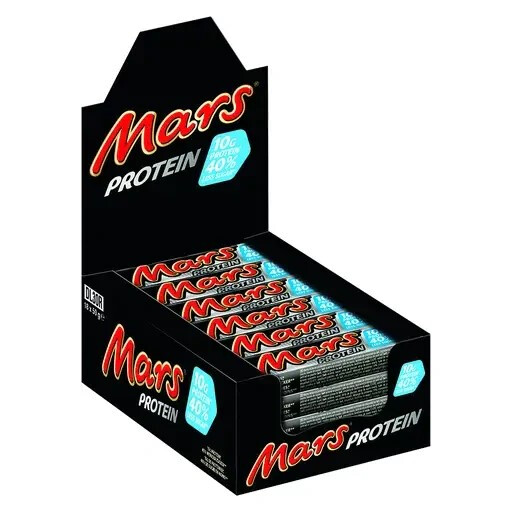 Image unavailable
For households planning to buy and use a larger supply of the same bars. The product name specifies 18 bars, each weighing 50 g; compare this quantity with your actual break-time needs and read the information on the pack.
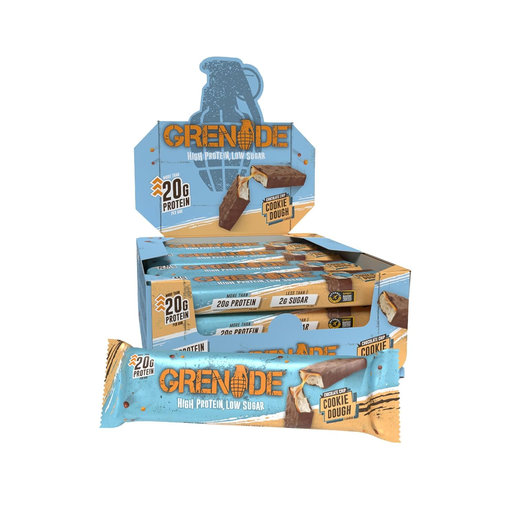 Image unavailable
For households considering 60 g portions as an occasional extra snack. The product name specifies twelve bars; check the ingredients, nutritional information and consumption advice on the specific pack.
 Image unavailable
For regular snacks in the same flavour, as long as it’s one your household enjoys. The product name specifies twelve 45 g bars and 30% protein; to compare individual portions and ingredients, read the nutritional information and labelling on the pack.
A protein bar is not an equivalent replacement for a varied break-time meal. The Federal Centre for Nutrition describes the school break as a supplement to a balanced breakfast and recommends including a range of foods in a lunchbox; at most, a bar may be suitable as an occasional extra.
No, an extra protein bar isn’t generally necessary. The consumer advice centre Verbraucherzentrale says that protein intake in Germany is generally adequate, so a bar’s protein content shouldn’t be the only factor when choosing a snack for the school break.
Check the ingredients and allergen information for every flavour in the pack, not just the details for one bar. The European Commission explains the EU requirements for providing allergen information; the label on the specific variety pack will tell you which ingredients it contains.
If a product contains certain sugar substitutes, this is a warning to consider alongside the ingredients list. According to the consumer advice centre Verbraucherzentrale, large amounts of sugar substitutes can have a laxative effect. If the flavour is new to you, it’s sensible to try an individual bar before buying a multipack.