People who need a snack after the gym
If you’re looking for a bar to have on the way home or keep in your gym bag, compare the protein per bar and its weight. With a box, it’s also worth checking whether each bar is individually wrapped.


When choosing a mixed box of protein bars for a post-workout snack, start by checking the portion size, protein per bar and ingredients in every flavour included. Then consider whether you’ll actually enjoy the flavours and whether the bars are individually wrapped for taking with you. A protein bar can be a convenient snack when you’re short on time, but the Federal Centre for Nutrition says it isn’t a complete meal.
If you’re looking for a bar to have on the way home or keep in your gym bag, compare the protein per bar and its weight. With a box, it’s also worth checking whether each bar is individually wrapped.
A mixed box could be a good choice if variety matters more to you than stocking up on one flavour. Check which flavours are included and whether their ingredients and nutritional values meet your preferences.
If you follow a vegan diet or have allergies, check the label for every flavour. Even a vegan bar may contain nuts, for example.
Start with a portion you’d actually take with you and eat. Then check the ingredients and flavours in the box. If you’re buying in bulk, also consider whether you’ll use all the bars included.
| What to consider | What to check | Who should consider it? |
|---|---|---|
| Protein and portion size | Compare the protein in grams and energy per bar with the bar’s weight. If the bars vary in size, check each flavour. | If I’m taking just one bar after a workout, I want to know what portion I’m getting. This is a priority for around 36% of shoppers. |
| Ingredients and allergens | Read the ingredients, highlighted allergens and may-contain statements for every flavour. Check for sweeteners and warnings, too. | If the box contains ingredients that aren’t suitable for me, I can’t choose based on the front of the pack alone. Around 29% of shoppers prioritise checking the individual recipes. |
| Flavour and variety | Compare pre-selected assortments with boxes where you can choose the flavours, and check that you like the flavours included. | I want variety, but not a box full of flavours I won’t enjoy. Around 21% of shoppers say a suitable selection is their main reason for choosing a mixed box. |
| Pack size and stock-up options | Check the number of bars and the portion weight. Only choose larger quantities once you know you like the flavour or selection. | When stocking up, I want to be sure I’ll use all the portions in the box. Around 14% of shoppers consider this their top priority. |
The claim on the front of the pack doesn’t tell you how many grams of protein are in a single bar. The bar’s weight and energy per portion also matter when comparing products.
Read the nutritional information and compare the figures per bar. Values per 100 g are also useful for comparing bars of different sizes on a like-for-like basis.
Flavours in the same product range can have different ingredients and allergens. A vegan flavour, for example, isn’t automatically nut-free.
Before buying, check the information for every flavour included, or build a box using only flavours whose labels you’ve checked.
This claim doesn’t replace checking the sugar and energy figures in the nutritional information, or looking for sweeteners in the ingredients list. Some bars carry warnings on the pack about excessive consumption.
Compare the sugar per 100 g and, where stated, per bar. Also read the ingredients list and any warnings on the pack.
Barebells offers protein bars in classic, Soft and vegan varieties. The stated protein content varies by flavour.
Layenberger offers high-protein bars and a mixed box of 18 bars where you can choose the flavours.
ESN’s range includes Designer Bars and other protein bars for snacking on the go.
PURYA! offers organic vegan protein bars. Check the label for each flavour to help you choose.
Each of these multipacks contains just one flavour of protein bar. If you’re stocking up for post-workout snacks, compare the pack size and bar weight. If you specifically want a mixed box, check whether it contains more than one flavour instead. Before buying, check the packaging information to see whether the bars are individually wrapped and easy to take with you.
 No image available
This pack could suit you if you want to stock up on the same flavour for post-workout snacks. It contains 12 bars, 50 g each; it isn’t a mixed selection of flavours. Before buying, check the nutritional and allergen information, as well as whether each bar is individually wrapped.
 No image available
This pack is a good option if you want to stock up on Cookies & Cream. It contains 12 bars, 55 g each, with no stated mix of flavours. Compare the nutritional information per bar and check the ingredients, warnings and individual wrapping.
 No image available
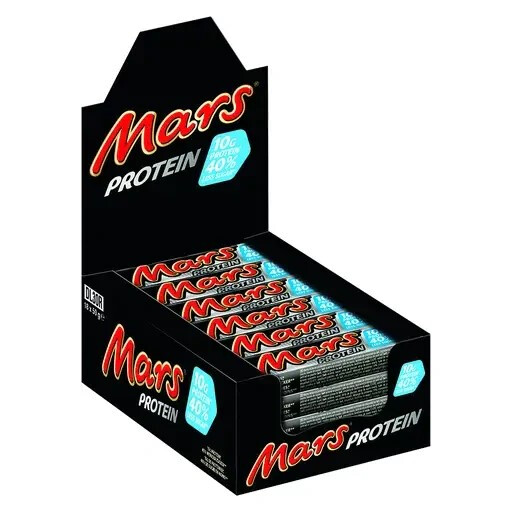
This carton could suit you if you want to stock up on 18 bars of the same flavour. The packaging states that each bar weighs 50 g; no mix of flavours is listed. Check the energy and sugar per bar, allergen information and individual wrapping.
No. Healthy people who exercise recreationally don’t necessarily need a protein bar straight after a workout. The Federal Centre for Nutrition and the consumer advice centre point out that extra protein products are usually unnecessary if you already eat a balanced diet with enough protein. If you’re short on time, a bar can be a snack, but it shouldn’t replace a complete meal.
The claim alone doesn’t tell you how much protein is in the portion you’ll actually eat. Compare the grams of protein per bar and its weight. For bars of different sizes, the nutritional values per 100 g are also useful.
Compare the information for every flavour in the box, not just the box description. Under EU food labelling rules, the nutritional declaration for prepacked foods includes energy, fat, sugars, protein and salt, among other details. Also check the ingredients, allergens, bar weight and mix of flavours.
No. “No added sugar” alone doesn’t tell you the total sugar content. Check the nutritional information for sugar and energy, and look at the ingredients list for sweeteners and any warnings about excessive consumption.
No. “Vegan” doesn’t mean a bar is free from nuts or traces of other allergens. For example, the PURYA! Salted Peanut Caramel flavour, which dm labels as vegan, contains peanuts. Check the ingredients, allergen labelling and may-contain statements for every flavour.