For a break between lectures or to pop in your lunchbox, a set mixed box is a good choice if you want to try different flavours or share the bars. If you already know your favourites, a box you can put together yourself gives you more control over what you stock up on. With either format, check the protein per bar, the ingredients in each flavour and the pack size; a protein bar isn’t automatically a replacement for lunch.
Who are multipacks suitable for?
Students keeping an eye on protein intake
If you pack a bar for a long day at university or after exercise, the protein per bar tells you more than a prominent percentage on the front of the pack. The German Nutrition Society points out that recreational sport alone does not necessarily mean you need more protein.
Study groups and sharing different flavours
For shared breaks or several lunchboxes, a mix of flavours can be more practical than a box containing just one variety. Check whether the selection is fixed or whether you can choose the flavours yourself.
Students following a vegan diet or checking for allergens
What matters is the recipe for each specific flavour, not just the name of the box. A vegan bar may still contain, for example, soya or wheat, so check the ingredients and may-contain information for every option you choose.
What should you look for when choosing?
First decide whether you want to try different flavours or stock up on favourites you already know. Then compare the information per bar and the ingredients in the flavours actually included.
| Criteria |
What to check |
Who is it important for? |
| Protein per bar |
Compare the protein in grams per bar and the bar’s weight using the nutritional information, rather than relying only on a percentage on the front of the pack. |
When I pack a bar for a break on campus, I want to understand how much protein it provides per portion without treating it as a meal. Around 33 % of consumers prioritise this portion information. |
| Flavours and stock |
Check the number of bars, the flavours included and whether you can put the mix together yourself. |
For a study group, I want a choice of flavours; when stocking up for myself, I’m more likely to choose varieties I already know. This is the main consideration for around 27 % of consumers. |
| Ingredients and suitability |
Read the ingredients, highlighted allergens, may-contain information and any notes about sweeteners for each flavour. |
If I’m buying plant-based or need to avoid certain ingredients, the specific recipe determines which bars are suitable for me. Around 20 % of consumers prioritise this. |
| Pack size to suit your needs |
Match the number of bars and portion weight to how many you expect to use; for a lunchbox, check whether the bars are individually wrapped. |
I only want to stock up on as many bars as I’ll actually take with me or share, and I need to be able to handle them when I’m out and about. This kind of planning comes first for around 20 % of consumers. |
Common buying mistakes
-
Confusing the protein percentage with the amount per bar
Without knowing the portion weight, a percentage alone doesn’t tell you directly how many grams of protein a bar contains. In a 2025 market review, Lebensmittelklarheit and the North Rhine-Westphalia Consumer Advice Centre also reported inconsistent use of grams and percentages on the front of packs.
Compare the protein per bar with the bar’s weight and the full nutritional information.
-
Choosing a large box before checking the flavours
A set mixed box, a box you put together yourself and a vegan selection can differ considerably in taste and ingredients. If one of the included flavours doesn’t meet your needs, it will still be part of your stock.
Check the flavours and their ingredients before buying. If you haven’t tried a flavour before, buying a single bar can help you decide.
-
Confusing sugar information with sweetener information
Information about added sugar doesn’t tell you whether a bar contains sweeteners. The Consumer Advice Centre explains that sugar alcohols can have a laxative effect in larger amounts, so check any product-specific warnings too.
Read the ingredients and warnings for the flavour you choose, particularly if you plan to pack several bars for the same day.
Brands to consider
The product ranges mentioned here offer different options, from set flavour mixes to individual bars. Ingredients vary depending on the specific variety.
Barebells
Barebells Germany offers both a set Mix Box and a vegan Mix Box, each with several flavours.
- According to Barebells, the non-vegan Mix Box contains four flavours, with three bars of each; the stated protein content is up to 20 g per bar, depending on the flavour.
- The vegan box lists 15 g of protein from soya and wheat per bar. For both boxes, check the ingredients and may-contain information for each flavour.
Layenberger
The “Dein Mix” protein bar selection is aimed at consumers who want to put together a larger box from flavours they already know.
- Layenberger lists 18 bars to choose from across six flavours, with 15,8–16,1 g of protein per bar.
- According to the manufacturer, the recipe includes milk, whey and soya protein, as well as beef collagen hydrolysate; this mix is not vegan.
Sportness
Buying individual Sportness protein bars at dm could be a way to try a flavour before stocking up on a larger pack.
- dm sells various protein bar options individually.
- Check the ingredients and warnings for the specific variety: dm notes that one of its bars may have a laxative effect if eaten in excess.
REWE PWR
Here, REWE PWR is a point of reference for individual protein bars bought in store, rather than a verified mixed box.
- In September 2026, REWE introduced six protein bars under its own brand.
- Check the ingredients and nutritional information for the specific variety before comparing it with a multipack.
Protein bar multipacks at Joybuy
This selection includes boxes of protein bars for stocking up ahead of time for campus. It includes packs of a named flavour and a variety labelled vegan; if you’re sharing them or packing them in a lunchbox, check whether each bar is individually wrapped and read the ingredients.
 No image available
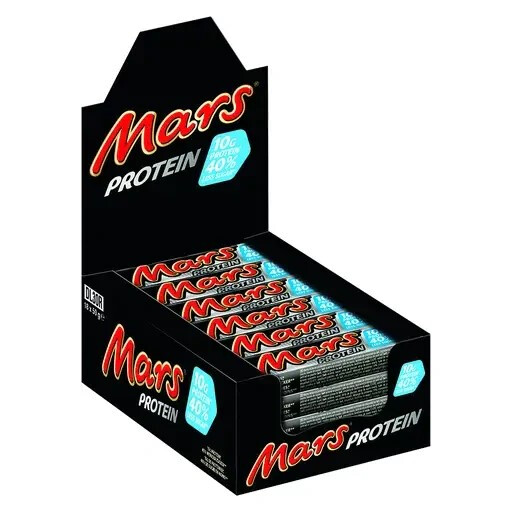
Mars Protein Bars, 18 × 50 g
A box for anyone planning to stock up on 50-g portions. The product description lists 10 g of protein per bar; the ingredients include milk, soya, egg and barley, and may contain traces of nuts. Before taking them with you, check whether each bar is individually wrapped.
View at Joybuy
 No image available
BE-KIND Protein Caramel Nut, 12 × 50 g
A 12-bar stock of Caramel Nut for anyone looking specifically for this flavour. The product information gives two different protein amounts per bar, 12 g and 12,5 g; check the pack to confirm the figure before buying. Peanuts, milk and soya are listed, and the bars may contain traces of other nuts. Check whether they are individually wrapped if needed.
View at Joybuy
 No image available
Barebells Vegan Protein Bar Peanut Caramel, 12 × 55 g
This pack, labelled vegan, contains twelve bars in the Peanut Caramel flavour, rather than a mix of flavours. The ingredients list wheat, soya and peanuts, as well as the sweeteners maltitol and sucralose. The product information gives two different protein amounts per bar, 15 g and 14,3 g; check the pack before buying.
View at Joybuy
 No image available
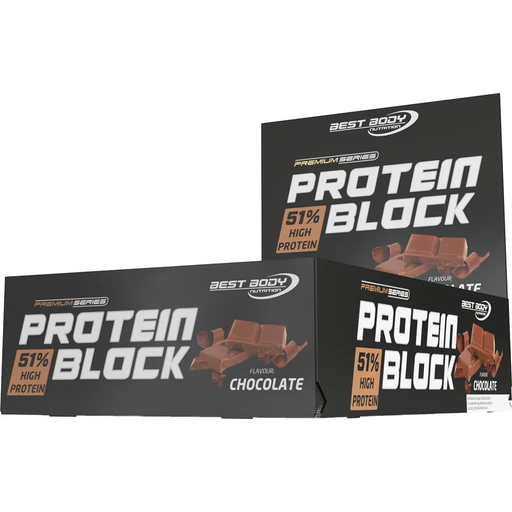
BEST BODY NUTRITION Protein Block Chocolate, 15 × 90 g
This box is intended for stocking up on the Chocolate flavour. The title lists 15 bars at 90 g each, while the description gives an item weight of 1,43 kg; check the pack details. The stated protein content of 51 % doesn’t replace a clear figure in grams per bar. According to the ingredients, the bars contain milk, soya and maltitol; take note of the warning about excessive consumption.
View at Joybuy
 No image available
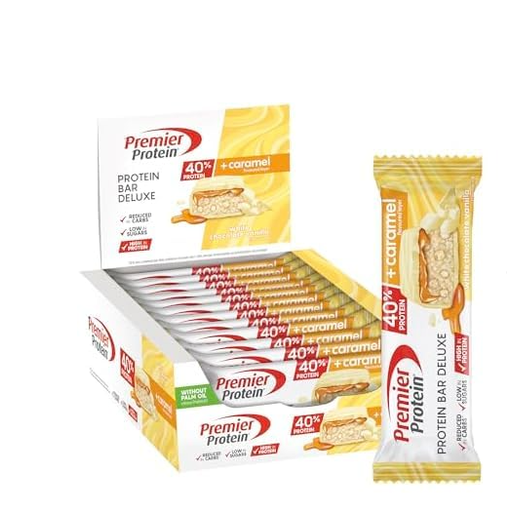
Premier Protein Protein Bar Deluxe 40 % White Chocolate Vanilla, 12 × 50 g
A 12-pack of White Chocolate Vanilla bars for stocking up on 50-g portions. The 40 % figure doesn’t tell you how many grams of protein are in each bar; check the nutritional information for that. The ingredients information lists milk, soya, collagen hydrolysate, maltitol and sucralose, along with a warning about excessive consumption.
View at Joybuy
Frequently asked questions
Can a protein bar replace lunch in the university canteen?
A protein bar isn’t automatically a replacement for lunch; as a portable snack, it serves a different purpose. The Consumer Advice Centre points out that extra protein is often unnecessary for general nutritional needs. So don’t judge a bar on its protein content alone.
Is the protein percentage on the front of the pack enough to compare bars?
No. Compare the protein in grams per bar alongside the portion weight. In its 2025 market review, Lebensmittelklarheit and the North Rhine-Westphalia Consumer Advice Centre found different ways of presenting information on the front of packs; the full nutritional information helps you put the figures into context.
Is a vegan protein bar box also free from allergens?
No, vegan and allergen-free don’t mean the same thing. For example, the vegan Mix Box described by Barebells contains protein from soya and wheat. Check the ingredients and may-contain information on the specific pack for each flavour.
Why do some bars carry a warning about a laxative effect?
The warning may relate to sugar alcohols in the ingredients, which the Consumer Advice Centre says can have a laxative effect in larger amounts. Check the ingredients and warnings for the specific bar, especially before planning to eat several portions in quick succession.


