Working people with a predictable need for snacks
If you pack a bar on several days each week for your commute, the office or a short lunch break, you can choose the pack size to match how many you actually get through.


If you haven’t tried a protein bar before, a small multipack is the more cautious choice. A 12-pack may suit you if you plan to have one regularly, while a larger box is best for frequent consumption or sharing. Before stocking up, check the serving size, nutrition information per bar, and the ingredients and allergens for the specific variety. A protein bar isn’t a complete lunch just because it contains protein.
If you pack a bar on several days each week for your commute, the office or a short lunch break, you can choose the pack size to match how many you actually get through.
When comparing bars, look at the protein and other nutritional values per serving alongside the ingredients list. A claim about protein content or a large pack won’t answer these questions on its own.
The labelling for the specific variety is what matters. The German Food Federation explains why you should check the ingredients list for allergens; a different flavour from the same brand won’t necessarily have the same ingredients.
First, decide how many bars you’ll actually need for lunch breaks on the go. Then compare the portion sizes and labelling of the varieties you’re considering for your stock-up.
A good fit if: You’d like to try a variety over several lunch breaks; IronMaxx offers a 6 × 35 g pack for this.
The trade-off: If you eat them regularly, you’ll get through the pack sooner.
A good fit if: You regularly pack a single snack and already know you like the variety; Barebells lists several 12-packs.
The trade-off: If you find you don’t like the flavour or texture, you’ll have more bars of the same variety left over.
A good fit if: You eat the variety often or are sharing your stock. Layenberger offers an 18-bar box, while IronMaxx also has a 24 × 35 g pack.
The trade-off: A larger stock means committing to the same variety and its ingredients for longer.
| Criteria | What to check | Who it matters to |
|---|---|---|
| Pack size and serving | Match the number of bars and the weight per bar to your planned snack days or the number of people sharing; check the best-before date. | I want to pack bars for my lunch breaks without committing to a large box straight away when trying a new variety. Around 36 % of shoppers put having the right amount in stock first. |
| Protein per bar | Compare the nutrition information per bar and per 100 g; a percentage claim alone doesn’t tell you what’s in a serving. | When comparing the protein content of different snacks, what matters to me is the portion I’ll actually eat. For around 29 % of shoppers, this comparison comes first. |
| Ingredients and sweeteners | Read the ingredients list and information about sweeteners for the variety you’ve chosen. | If I’m planning to have a bar regularly, I want to know which sweetening ingredients it contains and whether they’re suitable for me. About 21 % of shoppers prioritise this ingredients check. |
| Allergens in the variety | Check the specific pack for highlighted allergenic ingredients and possible traces warnings. | If I have an allergy or intolerance, I need to check each flavour individually before buying a stock. This variety-specific check comes first for around 14 % of shoppers. |
A box with lots of bars ties you to the same flavour and ingredients. That’s a particular drawback if you haven’t tried the variety before.
Check the serving size and ingredients first; a smaller multipack may be a better choice when trying a variety for the first time.
This claim is no substitute for checking the ingredients. According to the consumer advice centre, sugar substitutes can have a laxative effect in large amounts.
Read the ingredients list and pack information for the specific variety before buying several bars of the same type.
Different flavours in a product range may contain different ingredients. The German Food Federation advises checking the ingredients list for allergenic ingredients.
Check the highlighted allergens and possible traces warnings on the specific pack for each variety.
With a large box, the number of bars, how quickly you plan to use them and the printed storage instructions all need to work together. The best-before date applies to unopened products stored appropriately.
Check the date and storage instructions before buying, and plan how many bars you’re likely to get through.
Barebells offers protein bars in several 12-pack varieties, including classic bars and soft bars.
IronMaxx’s Protein 30 range includes 6 × 35 g multipacks and boxes of 24 × 35 g.
Layenberger offers a coconut and almond protein bar in an 18-bar box.
These multipacks contain 12 or 18 bars, making them an option for regular lunch-break snacks or for sharing. The serving size and labelling for each variety still matter.
 No image available
The 18-bar pack is better suited to regular snacking or sharing than to trying a variety for the first time.
Before buying, check the ingredients and allergen information, as well as the best-before date on the pack.
 No image available
The 12-pack is a handy size for regular individual servings if you already know you like this variety.
Compare the nutrition information per bar and check the ingredients, sweeteners and allergens on the specific pack.
 No image available
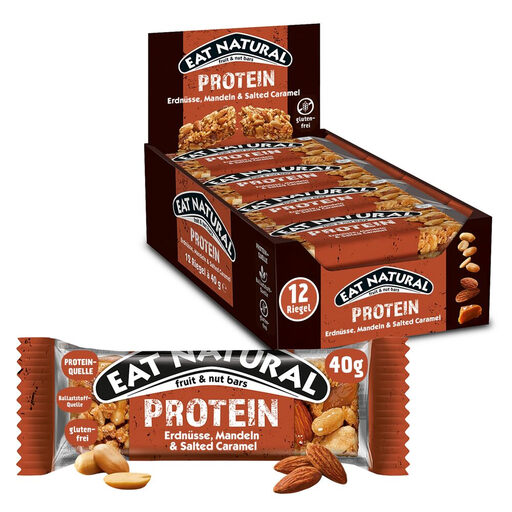
The 40 g servings in this 12-pack are handy for regular snacks or sharing.
If the protein content per bar matters to your comparison, check the serving information; pay particular attention to the allergen information for this variety.
 No image available
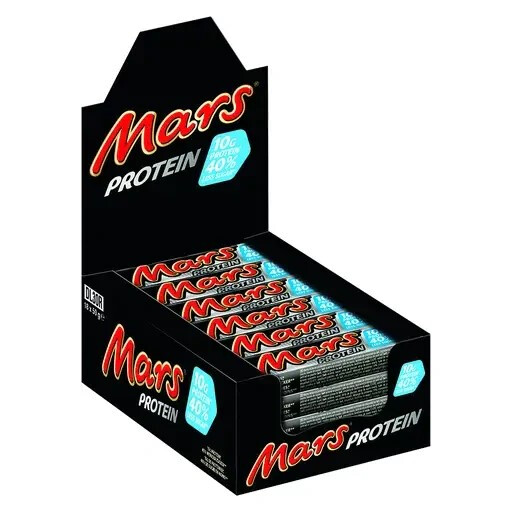
This multipack contains twelve 45 g servings for regular snacking.
The protein percentage claim is no substitute for comparing the amount per bar. Also check the ingredients, sweeteners and allergens for the specific variety.
 No image available
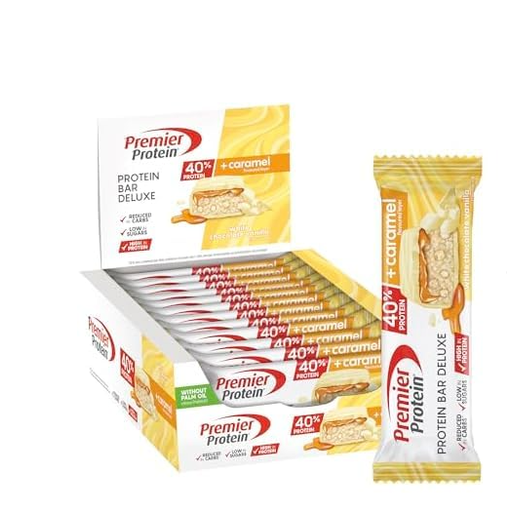
This 12-pack of 50 g bars is an option for regular snacking if you like the variety.
Compare the nutrition information for the portion you’ll actually eat, and check the ingredients, sweeteners and allergen information before stocking up.
Protein content alone doesn’t tell you whether a bar can replace a complete meal. If you’re planning to have one at lunchtime, consider the serving and the full nutrition information rather than looking only at the protein claim. The consumer advice centre also points out that extra protein isn’t always necessary.
The claim is no substitute for checking the ingredients list and nutrition information for the specific variety. In particular, check whether it contains sweeteners; according to the consumer advice centre, sugar substitutes can have a laxative effect in large amounts.
Read the ingredients list and any traces warnings for the exact flavour you want to buy. The German Food Federation explains how common allergens are labelled; a brand name or the ingredients in another variety won’t replace checking the pack.
The best-before date doesn’t mean the product must automatically be thrown away once that date has passed. It applies to unopened products stored appropriately, so follow the storage instructions and choose a pack size that matches how quickly you’ll use the bars.