Cyclists looking for snacks for afterwards
You’d like to have an individually portioned protein bar to hand after a ride or during the day. You plan your food for longer rides separately.


A protein bar multipack is a good choice if you’re looking for individually portioned snacks for after your ride, everyday use or sharing at home. For rides lasting more than 60 minutes, plan your carbohydrate intake during exercise separately and check how much a bar contributes. When choosing a pack, also consider the number of bars, flavours, nutritional values per bar, and the ingredients and allergens in each variety.
You’d like to have an individually portioned protein bar to hand after a ride or during the day. You plan your food for longer rides separately.
You want to take snacks with you, but need to distinguish between a protein bar for a quick bite and the carbohydrates you need during your ride. The role a bar can play depends on its nutritional values and what else you’re eating and drinking.
You share a box or pack bars in lunchboxes. In that case, the ingredients and allergen information for each variety may matter more than a shared brand name or the wording on the front of the pack.
First decide whether you’re planning a snack for after your ride and everyday use, or carbohydrates to fuel you on the go. Then compare the pack size and the information for each variety in the pack.
| Criterion | What to check | Most relevant if |
|---|---|---|
| Carbohydrates for longer rides | Check the carbohydrates per bar and compare them with the other snacks and drinks you’ve planned for your ride. | You want to know how a bar fits into your on-the-go fuelling when you’re riding for more than 60 minutes. This need for energy on a ride is a priority for around 36% of consumers. |
| Protein snack for afterwards | Compare the protein content and portion size per bar, rather than relying on a percentage on the front of the pack. | You want an individually portioned snack from your cupboard after a ride or between meals. Around 29% of consumers prioritise this kind of protein snack. |
| Sharing and lunchboxes | Check the number of bars, their weight and the mix of varieties; for a mixed box, compare the information for each variety. | You need enough bars and the right mix of flavours to last several people or days. For around 21% of consumers, pack format is the most important consideration. |
| Ingredients and tolerance | Read the ingredients, allergen information and precautionary statements for each variety; check the protein source and sweeteners too, if needed. | You need to avoid certain ingredients or want to share a bar, so the specific recipe for each variety matters. Around 14% of consumers make this their top priority. |
For rides lasting more than 60 minutes, the Gatorade Sports Science Institute describes carbohydrate intake during exercise and gives a range of 30–90 g per hour. This is not a protein target, and on its own it doesn’t tell you whether a particular bar fits into your planned fuelling.
The protein content doesn’t tell you how many carbohydrates a bar provides during a longer ride. The Gatorade Sports Science Institute treats carbohydrate intake during exercise lasting more than 60 minutes as a separate part of fuelling.
Compare the carbohydrates per serving with the bars, drinks and other snacks you’re planning to take on your ride.
The North Rhine-Westphalia Consumer Advice Centre notes that information about protein content, ingredients and nutritional values on fitness snacks can be confusing. For a fair comparison, look at the full details and the serving size.
Check the nutritional values per bar and, where relevant, per 100 g, as well as the ingredients and allergen list.
Some protein bars contain sweeteners or sugar alcohols. Some product labels warn that excessive consumption may have a laxative effect.
Check the ingredients and warning on your chosen variety; don’t try a new bar for the first time on a long ride.
Ingredients and allergen information can vary between varieties. A variety labelled vegan isn’t automatically suitable for someone with an allergy to one of its ingredients.
Before sharing or packing the bars, read the details for every variety in the box, including any precautionary statements about traces.
Barebells offers assorted protein bar boxes with several varieties, including a vegan mixed box. The number of bars and ingredients depend on the specific box and variety.
The Peanut Butter & Chocolate protein bar pack described by Rossmann contains four 40 g bars, making it a smaller pack option.
dm sells Sportness protein bars individually. If you’d like to choose your own varieties, you can build up a supply rather than buying a ready-made mixed box.
The ESN Designer Bar is sold individually, making it a good option if you want to check the specific variety and portion size before buying a larger supply.
These protein bar packs are worth considering for individually portioned snacks after a ride, during the day or to keep at home for sharing. If you’re planning to eat bars during a longer ride, check their carbohydrates per serving in the context of what else you’ll be eating and drinking.
 No image available
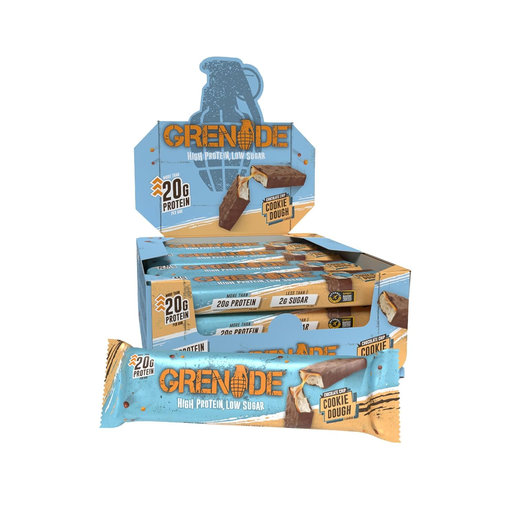
This pack of twelve is a handy way to stock up on individually portioned snacks for after a ride or during the day.
Each bar is listed as containing 20 g of protein and 17 g of carbohydrates. For longer rides, consider its carbohydrate content alongside your other provisions.
The recipe contains milk, soya, hydrolysed collagen and sweeteners. The product information warns that excessive consumption may have a laxative effect.
 No image available
If you’re looking for a protein bar labelled vegan to stock up on or pack in lunchboxes, this pack of twelve is worth considering.
The recipe lists soya and wheat protein, peanuts and sweeteners; vegan doesn’t mean allergen-free.
Check the pack for the protein content per bar: the product information lists both 15 g and 14.3 g.
 No image available
This pack of twelve is an option if you’re looking to stock up on individually portioned protein snacks for after training.
Each 60 g bar is listed as containing 21 g of protein. If you’re planning your fuelling for longer rides, also check the carbohydrates per bar on the pack.
The bar contains milk, soya and polyols; take note of any other possible allergen traces and the warning about excessive consumption.
 No image available
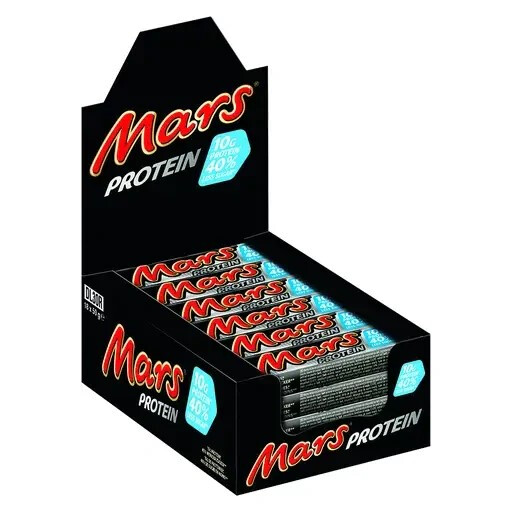
This box of 18 bars is a good choice if you’d like to stock up on individually portioned snacks.
Each bar is listed as containing 10 g of protein. If you’re planning what to eat during your ride, check the carbohydrates per bar on the pack.
The ingredients list includes milk, soya, egg and barley, and may contain traces of peanuts and nuts.
 No image available
The twelve portions are handy for stocking up on snacks or packing into lunchboxes.
The product name states 30% protein. If you’re comparing gram amounts to plan your snacks, check the protein and carbohydrates per bar on the pack.
The ingredients list includes milk, soya, wheat, barley, oats, egg, peanuts and nuts, as well as maltitol and sucralose. Take note of the warning about excessive consumption.
Yes, as part of your fuelling—but don’t assume they’ll provide enough carbohydrates just because they contain protein. For exercise lasting more than 60 minutes, the Gatorade Sports Science Institute recommends 30–90 g of carbohydrates per hour, so consider the bar’s contribution alongside your drinks and other snacks.
No, a protein bar isn’t essential for getting protein after a ride. It can be a convenient, individually portioned snack; the Consumer Advice Centre notes that even active people can meet their protein needs with everyday protein-rich foods.
Check the ingredients and allergen information for every variety, not just the vegan label on the box. Barebells lists soya and wheat protein in its Vegan Mix Box; if you have an allergy, the specific ingredients and precautionary statements about traces matter too.
No, you should check every variety in a mixed box individually. The European Food Safety Authority explains the labelling of allergens used as ingredients; also check the precautionary statements about traces on the specific product.
Check the ingredients and warnings for the specific variety, especially if you’re planning to take several bars with you. Some protein bars warn that excessive consumption may have a laxative effect, so don’t try a new bar for the first time on a long ride.