Anyone who likes to plan their post-workout snacks
If you want to have snacks ready for several training days, the number of bars, their weight and the protein content per bar can help you choose the right pack.


When choosing a protein bar multipack for training days, consider the information per bar, how many you need and the ingredients. A mixed box is a good choice if you want to try different flavours or share the bars. A pack of one flavour is easier to plan around if you already know what you like. Protein bars are a convenient snack, but according to the consumer advice centre Verbraucherzentrale, they aren’t necessary to meet your protein needs after exercise.
If you want to have snacks ready for several training days, the number of bars, their weight and the protein content per bar can help you choose the right pack.
For a plant-based option, protein sources and allergen information matter just as much as the word ‘vegan’: according to the manufacturer, the Barebells Vegan Mix Box contains soya and wheat protein.
A mixed box gives you several flavours to share around. A pack of one flavour is easier to plan for if you already know which bars everyone wants.
First, decide whether you want a variety of flavours or a supply of the same one. Then compare the information per bar, and check each flavour individually if you’re considering a mixed box.
| Criteria | What to check | Who it matters to |
|---|---|---|
| Protein per bar | Protein content in grams per bar and the bar’s weight; for mixed boxes, check the information for each flavour. | If I’m planning to have a bar after training, I want to compare its portion with the rest of my diet using the information on the pack. This is the main consideration for around 36% of consumers. |
| Number of bars and flavours | Number of bars and how the flavours are divided up; according to the manufacturer, the regular Barebells Mix Box contains four flavours, with three bars of each. | If you’re sharing bars across training days, packed lunches or several people, it’s important to choose a combination that works. This is the top priority for around 29% of consumers. |
| Ingredients and allergens | Protein sources, ingredient lists and precautionary allergen statements for all flavours; check the sweeteners too. | If I follow a vegan diet or need to avoid certain ingredients, I want to make sure every flavour is suitable for me. Around 21% of consumers say this is their first priority. |
| Everyday use | Whether the number of bars and mix of flavours suit your planned consumption, or whether it would make more sense to try individual bars first. | If I haven’t tried a flavour before, I don’t want to buy a large supply that I might not get through. This flexibility comes first for around 14% of consumers. |
A protein bar is a snack, not a necessary replacement for an everyday meal. Verbraucherzentrale points out that even people who exercise can generally meet their protein needs with regular protein-rich foods.
Choose a bar based on your actual snacking needs, rather than buying a multipack just because of the wording on the wrapper.
Protein content and ingredients can vary between flavours. For example, Barebells says its regular Mix Box contains up to 20 g of protein per bar, not the same amount in every flavour.
Compare the nutrition information and ingredient lists for all the flavours before planning to share the box.
These statements don’t mean the same thing. Verbraucherzentrale explains that consuming large amounts of sugar alcohols can have a laxative effect.
Check the ingredients for substances such as maltitol, for example, and read the warning about excessive consumption on the specific pack.
Plant-based bars can still contain allergens. Barebells says the protein in its Vegan Mix Box comes from soya and wheat; the manufacturer also lists possible traces of other allergens.
If you need to avoid certain allergens, check the ingredients and precautionary allergen statements for every flavour, not just the name of the box.
Barebells offers a regular Mix Box with four flavours, three bars of each, as well as a vegan Mix Box.
Retailer nu3 lists Quest Bar Cookies-Cream in a pack of 12 bars, each weighing 60 g.
nu3 lists Protein Bars Chocolate Sea Salt in a pack of 12 bars, each weighing 55 g.
The Designer Protein Bar is a useful reference when comparing individual bars: ESN describes options containing up to 15 g of protein in a 45 g bar.
dm-drogerie markt stocks Sportness bars in a range of flavours and sizes, including 40 g bars.
These packs contain bars of one specified flavour and could suit anyone planning snacks for training days or packing them into lunchboxes. Before choosing, check the information per serving and the ingredients, as well as the number of bars.
 No image available
For keeping the same flavour to hand for several training days or sharing between lunchboxes. The product name lists 12 bars, each weighing 55 g.
The product information lists milk, soya and sweeteners. Check the allergen and consumption information on the pack before buying.
 No image available
A pack of one flavour for anyone who wants to spread 12 bars across several days. The product name lists 50 g per bar.
The product information lists peanuts, milk, soya and tree nuts. Check the ingredients and information on the specific pack.
 No image available
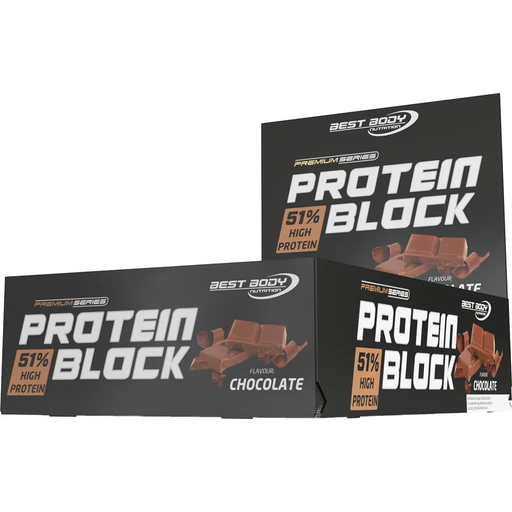
The 15 bars of 90 g each listed in the product name make this a good option if you’re planning a supply to last longer. Before buying, compare the pack quantity with the other weight information in the listing.
The product information lists milk, soya, cereals containing gluten and sweeteners. Check the allergen and consumption information.
 No image available
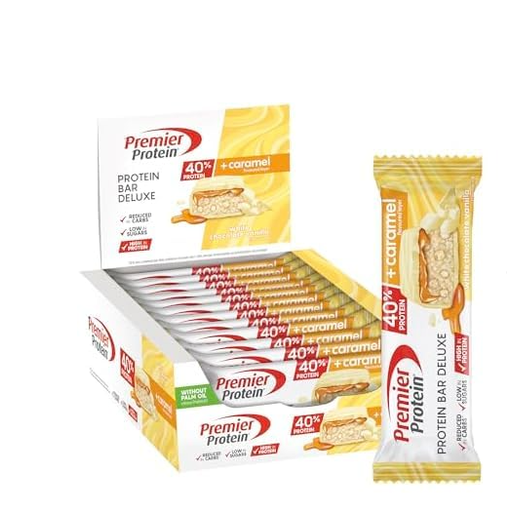
A pack of one flavour with 12 bars, each weighing 50 g. The 40% protein figure in the product name isn’t the same as the amount in grams per bar, so check the nutrition information to compare them.
The product information lists milk, soya, wheat, maltitol and sorbitol. Check the precautionary allergen statements too.
 No image available
Twelve bars of one flavour, each weighing 45 g, can be shared across training days or lunchboxes. To compare servings, look at the protein content in grams per bar rather than relying on the percentage in the product name alone.
The product information lists milk, soya, cereals containing gluten, eggs, peanuts and tree nuts, as well as sweeteners. Check the labelling on the pack.
Exercise alone doesn’t determine a universal amount of protein per bar. Compare the amount per serving with the rest of your diet; Verbraucherzentrale points out that even people who exercise can generally meet their protein needs with regular protein-rich foods.
No. According to the manufacturer, the Barebells Vegan Mix Box contains soya and wheat protein and carries a warning about possible traces of other allergens. Always check the ingredient list and precautionary allergen statements for the specific flavour.
This warning may relate to the sugar alcohols they contain. Verbraucherzentrale explains that consuming large amounts can have a laxative effect, so check the ingredients and warning on the specific pack.