Planning for hiking groups and lunchboxes
If you want to divide bars between several people, lunchboxes or days out, the key things to consider are the number of bars, portion size and whether the ingredients suit everyone who’ll be sharing them.


For hikes, sharing and packing several lunchboxes, a multipack is useful when the number of bars and portion size suit the snacks you have planned. Then check the ingredients and nutritional information for the specific variety. Allergens, sweeteners and the protein content per bar may be more important to your choice than a prominent protein claim.
If you want to divide bars between several people, lunchboxes or days out, the key things to consider are the number of bars, portion size and whether the ingredients suit everyone who’ll be sharing them.
If you have allergies or follow a particular diet, check the label for the specific variety. A product name alone won’t tell you which allergens or animal-derived ingredients a bar contains.
If you regularly take bars with you, compare the protein content per portion and check that you like the variety, ingredients and portion size before buying a larger pack. The Verbraucherzentrale notes that extra protein isn’t essential for general nutritional needs.
First work out how many bars you actually want to share, then check the label for each variety you’re considering.
| Criteria | What to check | Who it matters most to |
|---|---|---|
| Number of bars and portions | Check the number of bars and grams per bar against the number of snacks you have planned; check whether they’re individually wrapped if needed. | If I’m sharing bars among a hiking group or packing several lunchboxes, I want the right portion for every snack I’ve planned. This is the top priority for around 29% of consumers. |
| Ingredients and allergens | Read the ingredients list, highlighted allergens and may-contain statements for every variety; check any dietary suitability claims separately. | If I’m sharing a pack with others, the specific variety needs to suit their dietary requirements. This is the main concern for around 29% of consumers. |
| Sweeteners on the go | Check the pack for sweeteners, polyols and consumption advice. | On a longer hike, I don’t want to rely on an unfamiliar recipe as my only snack. That’s why around 21% of consumers would check how well they tolerate it first. |
| Protein and nutritional information | Compare the protein content per bar and the nutritional information per 100 g and per portion; check the sugar and other ingredients too. | If I choose a bar for its protein claim, I want to know what’s in each portion. This comparison is the main priority for around 21% of consumers. |
Bars come in different portion sizes. According to REWE, a Nature Valley Peanut & Chocolate protein bar contains 10.2 g of protein per 40 g bar; figures per 100 g don’t describe the same portion.
Compare the nutritional information both per 100 g and per bar when you’re planning individual snacks for your hike.
ALDI SÜD and ESN note that excessive consumption of certain protein bars may have a laxative effect. When you’re out and about, it’s helpful to know the ingredients and consumption advice in advance.
Try a new variety at home first and follow the advice on its packaging.
Allergens and ingredients can vary between varieties. ALDI SÜD also notes that details for its bars may vary depending on the supplier.
If you buy an assorted pack, check the label for each variety and follow the advice on the packaging you actually buy.
ALDI SÜD sells ALDI SPORTS protein bars, including packs of 3 × 45 g. This format can be split into three planned snacks.
REWE lists the Peanut & Chocolate protein bar in a pack of 4 × 40 g – an option for planning four individual snacks.
ESN also sells its Designer Bar in a pack of 12 × 45 g. This format may suit you if you already know the variety and its ingredients.
The Power Pack Classic Milk listed by REWE is a 35 g single bar. It’s a handy way to try this variety before deciding whether to stock up.
Each of these packs contains several bars for snacks on multiple hikes or to pack in lunchboxes. Compare the number of bars with your plans, and check the ingredients and nutritional information for the variety you choose.
 No image available
The twelve 45 g bars can be split across several snack breaks. For longer hikes, check the ingredients, allergens and sweetener advice on the specific pack.
 No image available
The twelve 55 g bars are handy for planning snacks over several occasions. If this variety, labelled vegan, needs to meet your requirements, check the ingredients and allergens on the pack. You can also find the protein content per bar there.
 No image available
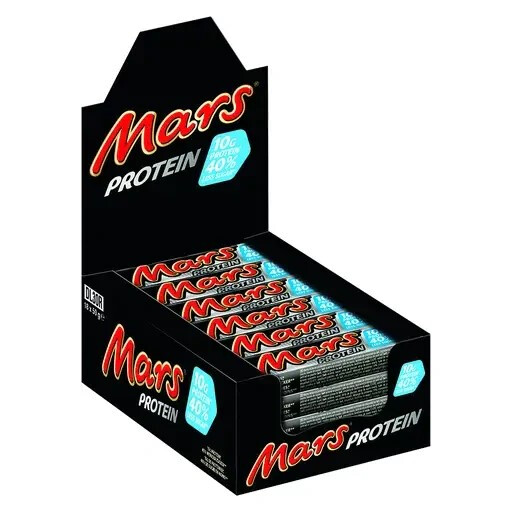
The carton of eighteen 50 g bars may suit you if you’re planning snacks for several occasions. Before choosing, compare the nutritional information per bar and the allergen labelling.
 No image available
Twelve 50 g bars can be divided between several days out or lunchboxes. As this variety contains nuts, check the allergen labelling carefully and look at the pack for the protein content per bar.
 No image available
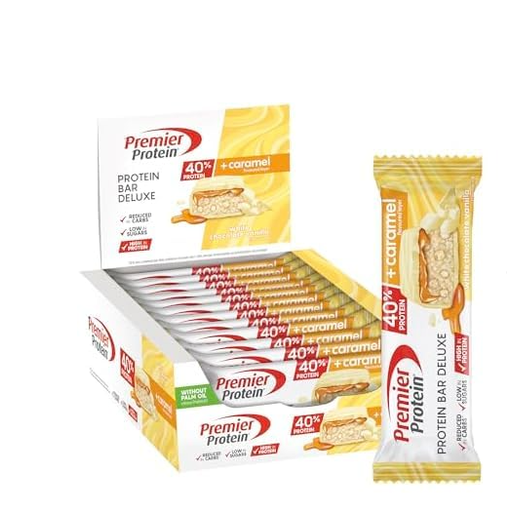
The pack of twelve 50 g bars is handy for regular snacks. If protein content is a deciding factor, check the nutritional information for the amount per bar; remember to check the ingredients and consumption advice too.
Yes, especially if allergies or dietary requirements are a concern. The European Commission describes the ingredients list and allergen labelling as information found on prepacked foods; check them for every variety in the pack.
No. Gluten-free refers to a specific property of that particular variety. The Nature Valley Peanut & Chocolate bar listed by REWE is labelled gluten-free, but contains peanuts, soya and milk ingredients, and may contain tree nuts.
Not on the basis of that claim alone. ALDI SÜD and ESN list sweeteners or polyols in certain bars and warn that excessive consumption may have a laxative effect. Check the specific variety and its consumption advice.
No, a protein bar isn’t essential for a hiking snack. The Verbraucherzentrale says extra protein isn’t needed to meet general nutritional requirements in Germany. Portion size, ingredients and how easy a snack is to carry may be more important when you’re choosing.