What should you look for when buying?
First, choose a pack size that matches how many bars you actually get through. Then compare nutritional information using the same measure, and finally check the ingredients in each flavour you’re considering.
| Criterion |
What to check |
Who it matters most to |
| Pack size and flavours |
Check the number of bars, the weight of each bar and the range of flavours against how many you’ll use. |
If I only have a late-night snack occasionally or split bars between lunchboxes, I don’t want to buy a large pack of an unfamiliar flavour straight away. For around 42% of shoppers, planning the pack size comes first. |
| Comparable nutritional information |
Compare energy, protein and sugar per 100 g and per bar. |
When bars come in different sizes, I want to know what’s in a single serving rather than relying on the front of the pack alone. Around 33% of shoppers put comparing nutritional information first. |
| Ingredients and allergens |
Read the ingredients list, highlighted allergens and any precautionary ‘may contain’ statements for the specific flavour. |
If I need to avoid certain ingredients or want a plant-based recipe, the ingredients in each flavour determine my choice. This is the main concern for around 25% of shoppers. |
Protein bar multipacks at Joybuy
These products are individually portioned protein bars sold in multipacks. The packs of 12 and the box of 18 are best suited to planned stock-ups; if you only snack occasionally, take particular care to choose a pack size that works for you.
 No image available
Barebells Vegan Protein Bar Peanut Caramel, 12 × 55 g
For a planned stock-up if you already know the Peanut Caramel flavour and are looking for an option labelled vegan.
Twelve bars, 55 g each. If you have allergies or specific ingredient requirements, check the label on the pack you receive.
View at Joybuy
 No image available
BE-KIND Protein Caramel Nut, 12 × 50 g
For shoppers who want to set aside individual bars from a pack of 12 for later snacks.
Twelve bars, 50 g each. If you need to avoid nuts or other ingredients, check the label on the pack you receive.
View at Joybuy
 No image available
Corny Protein Crunchy Vanilla & White Choc Flavour, 12 × 45 g
For stocking up on individual bars if you enjoy this flavour.
Twelve bars, 45 g each. Compare the nutritional information on the pack per 100 g and per bar, and read the ingredients list.
View at Joybuy
 No image available
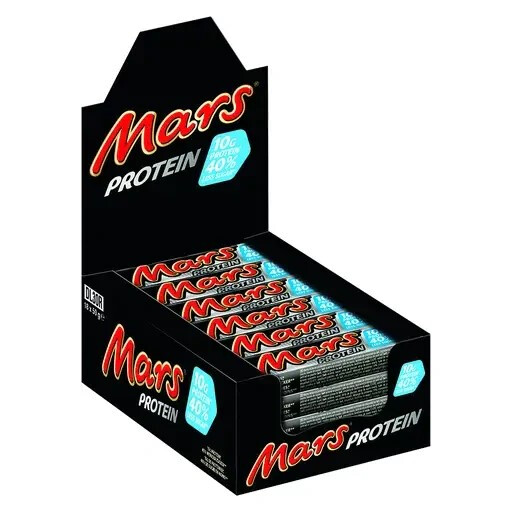
Mars Protein Bars, 18 × 50 g
For a longer-term stock-up, provided you’ll get through all 18 bars within your usual timeframe.
Eighteen bars, 50 g each. Compare sugar and other nutritional values using the same measure, and check the ingredients on the pack.
View at Joybuy
 No image available
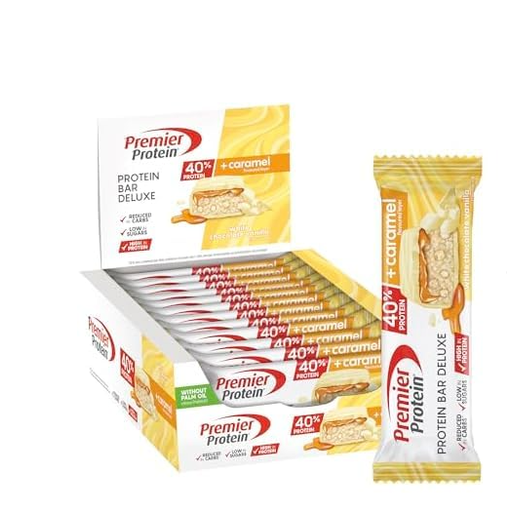
Premier Protein Bar Deluxe 40% White Chocolate Vanilla, 12 × 50 g
For a pack of 12 with individually portioned bars, if you already know what to expect from this flavour.
Twelve bars, 50 g each. Check the full nutritional information on the pack and, if you have specific ingredient requirements, read the label for the product you’re buying.
View at Joybuy
Frequently asked questions
Can a protein bar replace a late meal?
A protein bar isn’t a complete meal replacement. The German Federal Centre for Nutrition considers it more suitable as an occasional snack when you’re short on time. If you regularly feel hungry late at night, don’t base your meal planning solely on the protein figure on a bar.
Do I need to check every flavour in a variety box for allergens?
Yes. If you have allergies or specific ingredient requirements, the label for each individual flavour is what matters. According to Lebensmittelklarheit, relevant allergens must also be declared for food sold online, so don’t rely on the name of the box alone.
Does ‘no added sugar’ also mean ‘no sweeteners’?
No. ‘No added sugar’ doesn’t mean that a bar is free from sweeteners. Read the ingredients list; according to the Consumer Advice Centre, large amounts of sugar substitutes can have a laxative effect.
How do I compare bars of different sizes?
First compare their nutritional information per 100 g, then per bar. This shows you both how their composition compares on a like-for-like basis and what’s in the portion you’re actually planning to eat. A market review by the North Rhine-Westphalia Consumer Advice Centre shows why the protein claim on the front isn’t enough on its own.


