Parents who occasionally pack a bar
Individually wrapped bars can be included as an occasional snack. For a daily packed lunch, variety remains key, as the German Nutrition Society and the consumer advice centre point out.


A protein bar multipack isn’t a must-have for your child’s daily lunchbox. The German Nutrition Society recommends a varied break-time meal, while the consumer advice centre says additional protein products are often unnecessary. If you’d like to include a bar now and then, or share one, check the ingredients and allergens for every variety first. Then compare sweeteners, nutritional values per bar and pack size.
Individually wrapped bars can be included as an occasional snack. For a daily packed lunch, variety remains key, as the German Nutrition Society and the consumer advice centre point out.
If you need vegan ingredients or have known allergies to consider, check every variety in a multipack individually. The protein bars we looked at include recipes containing milk, soya, wheat or peanuts, for example.
If you’re choosing a snack specifically for sport, the serving size and the protein and sugar content per bar are more useful than the claims on the front of the pack. According to the consumer advice centre, extra protein isn’t automatically necessary, even if you’re active.
First, decide whether the bar is just an occasional addition to the lunchbox. Then check the ingredients in each variety and the portion you’ll actually eat to work out which pack size might suit you.
| Criteria | What to check when buying | Who it matters most to |
|---|---|---|
| Role in the packed lunch | Decide whether the bar would be an occasional extra or a regular replacement, then plan the rest of the lunchbox accordingly. | If a bar would often replace the whole packed lunch, I care more about the overall meal than the protein claims. Around 38% of consumers put this everyday consideration first. |
| Ingredients and allergens | Read the ingredients, highlighted allergens and precautionary allergen statements for every variety; check the sweeteners too, if needed. | If you have a known allergy or follow a vegan diet, every variety in the pack needs to meet your requirements. Around 25% of consumers put this first. |
| Pack and portions | Compare the number of bars, the varieties and the weight of each bar with how you plan to use them. | If several people are sharing the pack, the varieties and individual portions need to suit them all. Around 25% of consumers put this first. |
| Snack for sport | Compare the protein and sugar per bar you’ll eat, rather than looking only at the prominent protein claim. | If I’m planning a bar specifically for after sport, I want to assess the whole portion, not just its protein content. Around 12% of consumers prioritise this purpose. |
A bar’s protein content tells you little about the balance of the whole school meal. The German Nutrition Society recommends a variety of foods for break time.
Plan regular packed lunches separately from the bar, and treat it as an occasional extra at most.
Lebensmittelklarheit points out that products like these may still contain sweeteners or sugar substitutes. Some bars also carry a warning about a possible laxative effect if eaten in excess.
Check the ingredients, nutritional information and pack warnings for the specific variety.
Recipes can vary within a mixed box. The Federal Office of Consumer Protection and Food Safety explains that key allergens must be highlighted in the ingredients list; any additional precautionary allergen statements should also be checked.
Before packing a bar, check the label on every variety, especially if there are known allergies or school requirements.
Individually wrapped bars are only practical if the flavours, ingredients and portion sizes suit the people who’ll be eating them.
Try familiar varieties or a smaller pack first, before stocking up on a larger box.
Barebells offers protein bars in packs of 12, including a mixed box and vegan varieties.
PowerBar also offers its 30% Protein+ in a box of 15, for sports-related use.
EDEKA’s own-brand range includes individual protein bars that are useful for comparing portion sizes and ingredients.
These packs could suit you if you’d like to keep a few individually wrapped bars in stock for occasional snacks. The selection includes sweet protein bars and a small pack of savoury beef bars. Before packing one, check the ingredients, nutritional information and any school requirements.
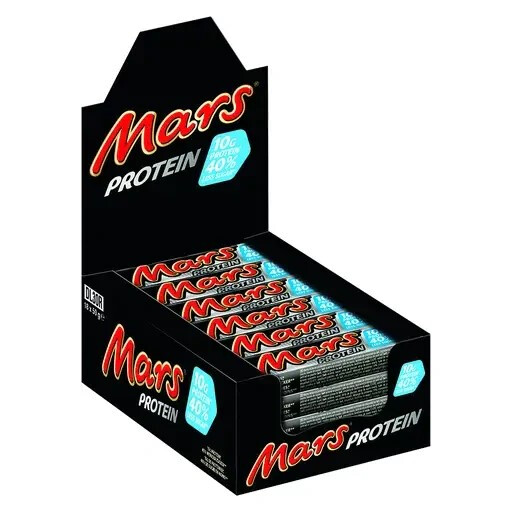 No image available
This pack of 18 is handy for keeping individual bars on hand as occasional snacks. Before packing one, compare the sugar content and, if you have allergies, check for milk, soya and egg, as well as statements about other ingredients or traces.
 No image available
This pack of 12 contains individual bars in one named flavour rather than a mix. For a school lunchbox, check the ingredients, including sweeteners, and the allergen information on the specific pack.
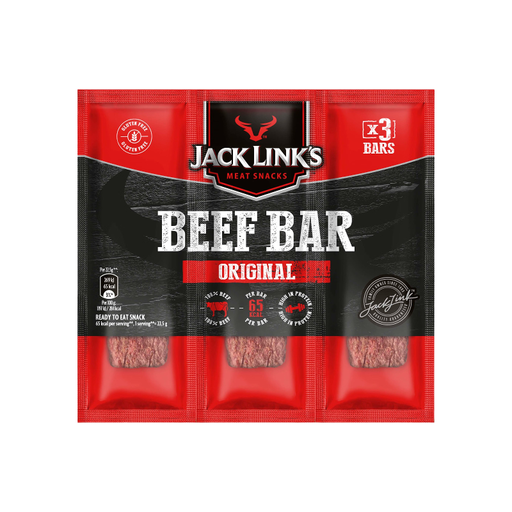 No image available
This small pack of three is a savoury alternative to the sweet bars in this selection. Use the nutritional information per 100 g to work out the values for the portion you’ll actually eat, and check the ingredients and soya labelling.
 No image available
This pack of 12 can be split into individual portions. If you have a peanut, milk or soya allergy, check the ingredients carefully. For a protein comparison, use the information on the pack you receive.
 No image available
This pack of 12 could suit you if you specifically want vegan ingredients. Vegan doesn’t mean allergen-free: check the pack for peanuts, wheat, soya, sweeteners and precautionary allergen statements.
A protein bar shouldn’t become a daily replacement for a packed lunch just because of its protein content. The German Nutrition Society recommends a varied break-time meal. The consumer advice centre says additional protein products are often unnecessary and advises paying attention to sweeteners and sugar substitutes in snacks for children.
No. According to Lebensmittelklarheit, products with this claim may still contain sweeteners or sugar substitutes. So, as well as the marketing claim, check the ingredients and nutritional information for the specific bar.
Yes, because the recipes in a mixed box can vary. If you have known allergies, check the ingredients and any precautionary allergen statements for every bar in the pack, not just the picture on the outer packaging.
Not simply because it’s labelled vegan. Barebells’ Vegan Caramel Peanut bar contains wheat, soya and peanuts. If you have allergies or need to meet school requirements, check the label on the specific pack.