When choosing a protein bar for after school, the amount of protein per bar, portion size and ingredients matter more than a prominent percentage on the front of the pack. If you’re looking for a vegan recipe, check the specific variety; if you’re watching your sugar intake, read the information on sweeteners and consumption advice too. According to the German Nutrition Society, protein reference values for children and teenagers are based on age and body weight – taking part in school sport alone doesn’t mean you need a protein bar.
Who is this guide for?
Anyone looking for a snack after school sport or training
If you’re after a convenient snack after exercise, compare the amount of protein in each bar rather than looking only at a percentage. The German Nutrition Society bases protein reference values for children and teenagers on age and body weight.
Anyone shopping for vegan or lactose-free options
The labelling on the specific variety matters. Even with a vegan bar, ingredients such as wheat, soya or nuts may affect your choice.
Anyone keeping an eye on sugar and ingredients
You want to choose a sweet afternoon snack and compare sweeteners and consumption advice as well as the sugar content. A low sugar figure alone won’t answer all your questions.
What should you look for when buying?
When choosing a protein bar as an after-school snack, start by finding a recipe that suits you. Then you can make a useful comparison of the nutritional values per bar and per 100 g. The following groups of shoppers differ in what they prioritise when buying.
| What to consider |
What to check when buying |
Who it matters most to |
| Protein per bar |
Compare the grams of protein and the weight of the actual portion, rather than just the protein percentage. |
After school sport, I want to know how much protein is in the bar I’m actually eating. Around 31% of consumers prioritise the amount of protein per bar. |
| Recipe and allergens |
Check the labelling for the specific variety, as well as the ingredients and allergen information. |
If I’m shopping for vegan options or need to avoid certain ingredients, the specific recipe determines what I choose. This is a priority for around 23% of consumers. |
| Sugar and sweeteners |
Compare the sugar content per bar and per 100 g; read the ingredients list and consumption advice. |
For a sweet snack, I want to know the sugar content and which sweeteners it contains. Around 23% of consumers make this their main priority. |
| Flavour and portion size |
Check the flavour and the weight of the bar to make sure the portion suits the snack you have in mind. |
For an afternoon snack, I’m mainly looking for a flavour and portion size I’d enjoy choosing. For around 23% of consumers, this everyday practicality comes first. |
Which mistakes can you avoid?
-
Assuming a high percentage means lots of protein per bar
Bars of different weights can contain different amounts of protein per portion, even if their protein percentages are similar.
Compare the grams of protein per bar with the weight of the bar.
-
Overlooking other ingredients when checking the sugar content
A low sugar figure doesn’t rule out sweeteners or polyols. For the varieties covered here, PowerBar and Barebells warn that excessive consumption may have a laxative effect.
Read the ingredients list and consumption advice for your chosen variety, especially if you need to keep an eye on these ingredients.
-
Confusing ‘vegan’ with ‘allergen-free’
According to REWE, the vegan Barebells Caramel Choco Chip variety contains wheat and soya protein; the vegan KoRo Hazelnut bar described by dm contains hazelnuts.
If you have allergies, always check the ingredients and allergen information for the specific variety you intend to buy.
Brands to help you choose
PowerBar
The brand offers a range of protein bars; the information below relates to PowerBar 52% Protein+.
- PowerBar states that each 50 g bar contains 26 g of protein and no more than 0.7 g of sugar.
- The bar contains milk and soya ingredients, as well as sweeteners. PowerBar states that each bar contains 11 g of polyols and warns that excessive consumption may have a laxative effect.
Barebells
Barebells offers classic, Soft and vegan protein bars. Ingredients and nutritional values vary by flavour.
- REWE labels Barebells Vegan Caramel Choco Chip as vegan and lactose-free, and states that each 55 g bar contains 15 g of protein.
- This variety contains wheat and soya protein, as well as sweeteners; this information doesn’t apply to other Barebells bars.
Layenberger
When choosing one of the brand’s protein bars, it’s worth checking the details for the specific variety and portion size.
- Layenberger states that its mixed assortment contains 15.8–16.1 g of protein and 0.2–0.8 g of sugar per bar, depending on the variety.
- The Chocolate Banana variety described by REWE contains milk and soya protein, as well as bovine collagen hydrolysate, so it isn’t a vegan option.
KoRo
The KoRo Hazelnut protein bar described by dm is labelled vegan and lactose-free.
- Pea and rice proteins are listed as plant-based protein sources for this variety.
- The bar contains hazelnut ingredients; dm states that this variety contains 27 g of sugar per 100 g.
Protein bars at Joybuy
This selection includes bars for comparing portion sizes after exercise, sweet snack options and a variety labelled vegan. Check the details for the specific variety of each product.
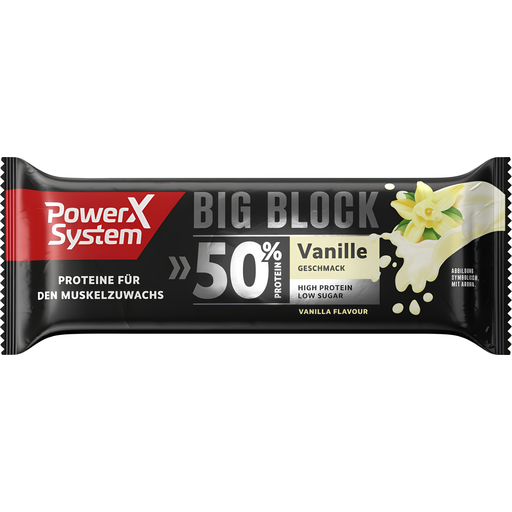 Image unavailable
Power System Big Block Vanilla Protein Bar, 100 g
If you’re looking for a single bar after exercise, check whether the 100 g portion suits the snack you have in mind.
Check the information about milk and soya, as well as the consumption advice.
View at Joybuy
 Image unavailable
Barebells Protein Bar Cookies & Cream, 12 × 55 g
For an after-school snack, you can compare the nutritional information per 55 g bar with other single portions.
The information for this variety lists milk and soya, as well as sweeteners and consumption advice.
View at Joybuy
 Image unavailable
Barebells Soft Protein Bar Salted Peanut Caramel, 12 × 55 g
If a Soft variety sounds like a good afternoon snack, compare its information per 55 g bar with that of other varieties.
In particular, check the information about peanuts, milk, soya and sweeteners.
View at Joybuy
 Image unavailable
Frankonia Sugar Free Nutrition Bar Chocolate Brownie, 50 g
When comparing a single 50 g bar, the nutritional values per portion and the ingredients list are key.
The product information lists milk, soya and maltitol, and includes a warning about excessive consumption.
View at Joybuy
 Image unavailable
Barebells Vegan Protein Bar Peanut Caramel, 12 × 55 g
If you’re looking for an afternoon snack labelled vegan, check the ingredients for the specific Peanut Caramel variety.
The bar weighs 55 g; the information lists wheat, soya and peanuts. For an accurate protein comparison, check the nutritional information on the pack.
View at Joybuy
Frequently asked questions
Do teenagers automatically need a protein bar after school sport?
No. Taking part in a sports session alone doesn’t mean you need a protein bar. The German Nutrition Society sets protein reference values for children and teenagers according to age and body weight, so your overall diet matters when choosing a snack – not just your sports session.
What should I look out for with sweeteners?
Check the ingredients list and consumption advice for the specific variety. PowerBar states that 52% Protein+ contains 11 g of polyols per bar and warns that excessive consumption may have a laxative effect. The vegan Barebells variety described here also carries a similar consumption warning.
Is a vegan protein bar automatically free from allergens and sugar?
No, the vegan label doesn’t mean that. According to REWE, Barebells Vegan Caramel Choco Chip contains wheat and soya protein; dm states that the vegan KoRo Hazelnut bar contains hazelnut ingredients and 27 g of sugar per 100 g. Check the ingredients, allergen information and nutritional values for the variety you choose.


