When choosing a protein bar after training, what matters most is how much protein each bar contains and whether its ingredients and allergens suit your needs. A bar is handy when you’re out and about, but it’s not essential: according to the Verbraucherzentrale, you can also meet your protein requirements with everyday foods that are high in protein. Check the sugar and sweeteners, too, along with any product-specific guidance on consumption.
Who might consider protein bars?
People who train and want to take a snack with them
If you’re out and about after training, an individually wrapped bar is easy to pack. When comparing options, the stated amount of protein per bar matters more than a prominent percentage on the packaging.
Active people who follow a vegan diet
If you’re looking for plant-based sources of protein, check the ingredients of each product. A vegan bar may contain soya or peanuts, for example, and sweeteners also vary from one recipe to another.
People who regularly pack bars to take with them
If you eat bars regularly, pack size, ingredients and how well you tolerate them are especially important. Look out for information about polyols and the effects of excessive consumption.
What should you look for when buying?
Start by comparing the protein content with the bar’s weight, then check the ingredients, allergens and consumption guidance. This helps you assess a post-workout snack without relying solely on the front of the pack.
| Criteria |
What to check when buying |
Who it matters most to |
| Protein per bar |
Protein in g per bar and the bar’s weight; don’t mistake a percentage for a number of grams. |
If I only have one bar with me straight after training, I want to know how much protein that portion contains. For around 42% of consumers, this is the most important comparison. |
| Plant-based ingredients and allergens |
Protein source, ingredients list, highlighted allergens and any ‘may contain’ information. |
I want to choose a bar that suits the way I eat, while taking ingredients such as soya or peanuts into account. Around 17% of consumers put checking ingredients first. |
| Sugar and sweeteners |
Sugar per portion, the sweeteners used and any guidance on excessive consumption. |
If I eat bars regularly, I want to consider the recipe and how well I tolerate it. For around 25% of consumers, this takes priority over the other buying criteria. |
| Pack size and buying again |
Number and size of bars, and whether an offer is available for a limited time. |
I want to choose a pack size that suits my actual needs, rather than committing to a single promotional product. For around 16% of consumers, this is the most important consideration. |
Common comparison mistakes
-
Confusing protein percentage with grams per bar
A large percentage on the front of the pack doesn’t necessarily tell you how much protein you’ll get from one bar. Verbraucherzentrale NRW illustrates the difference: 20% protein in a 50-g bar equals 10 g, not 20 g.
Check the protein in g per portion alongside the bar’s weight before comparing products.
-
Assuming low sugar means it will agree with you
Some bars contain polyols. The product information for bars from KoRo and ALDI SPORTS warns that excessive consumption may have a laxative effect.
Check the ingredients and consumption guidance, especially if you’re planning to have more than one bar.
-
Assuming ‘high protein’ means it’s right for your needs
A specially marketed bar isn’t essential after training. The Verbraucherzentrale notes that active people and those following a vegan diet can also meet their protein requirements with everyday foods that are high in protein.
Think about your own circumstances and whether you really need an individually wrapped portion when you’re out and about, or would prefer an everyday snack or a meal.
-
Assuming vegan means allergen-free
Plant-based protein bars can contain allergens. For its Protein Bar Deluxe Vegan Peanut, KoRo lists soya among the sources of protein; the product also contains peanuts.
Before placing your first order, read the full ingredients list, check the highlighted allergens and look for any ‘may contain’ information.
Brands worth knowing
ESN
The Designer Protein Bar is aimed at shoppers looking for a confectionery-style protein bar with a clearly stated portion size.
- Depending on the flavour, ESN lists up to 15 g of protein per bar.
- Figures vary by flavour, so check the ingredients, sweeteners and protein per portion for the specific bar you’re considering.
Premier Protein
The Chocolate-Caramel bar listed by REWE offers a specific example of how to compare smaller portions.
- REWE states that this 40-g bar contains 20 g of protein and 0.7 g of sugar.
- According to REWE, it contains milk, soya, collagen hydrolysate and polyols; the product also carries a warning that excessive consumption may have a laxative effect.
KoRo
The Protein Bar Deluxe Vegan Peanut is an example of a plant-based protein bar.
- KoRo lists pea, soya, rice and fava bean proteins as sources of protein in this product.
- According to KoRo, the product contains maltitol and sucralose. If you have a soya or peanut allergy, the information on the pack is essential.
REWE PWR
REWE describes PWR as its own-brand range of protein bars for active people.
- When the range launched in September 2026, REWE listed six protein bars in 45-g portions.
- When comparing bars for after training, the nutritional information and ingredients of each flavour matter—not simply whether it belongs to the range.
ALDI SPORTS
ALDI SÜD sells, among other products, multi-packs of protein bars under this own-brand label.
- One listed example is a pack of high-protein bars containing 3 × 45 g.
- For its Nougat bar, ALDI SÜD recommends having one bar a day and warns that excessive consumption may have a laxative effect. Promotional products may only be available for a limited time.
Protein bars at Joybuy
This selection includes individually portioned protein bars in multi-packs for a post-workout snack. Check the information on each pack, especially if you’re looking for plant-based ingredients or need to avoid particular allergens.
 Image unavailable
ESN Protein Designer Bar Hazelnut Nougat, 12 × 45 g
An option if you want to take an individually portioned bar with you after training. Before buying, compare the protein per bar and check the ingredients and consumption guidance.
View at Joybuy
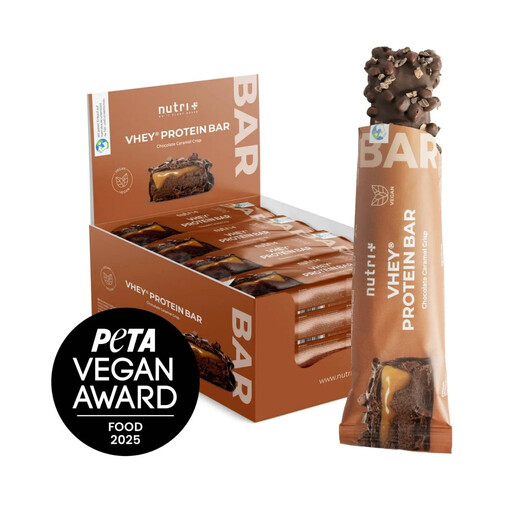 Image unavailable
Nutri+ Whey Protein Bar Chocolate Caramel Crisp, 12 × 50 g
A portioned snack for after training. If you’re looking for a vegan bar, check the term ‘Whey’ against the ingredients list and labelling on the pack before you buy.
View at Joybuy
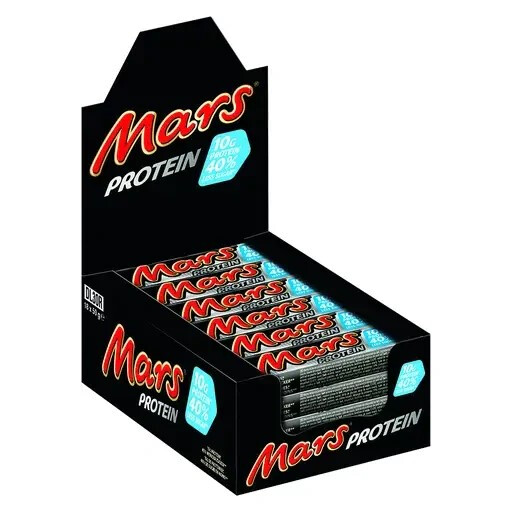 Image unavailable
Mars Protein Bars, 18 × 50 g
This multi-pack is worth considering if you regularly want to pack a bar for after training. To compare, check the nutritional information per bar, as well as the ingredients and allergen information on the pack.
View at Joybuy
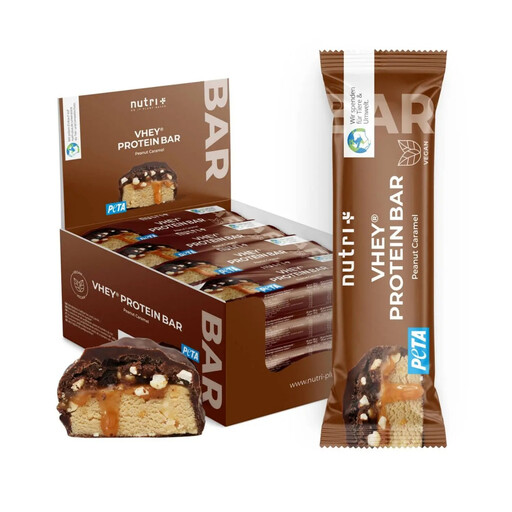 Image unavailable
Nutri+ Whey Protein Bar Peanut Caramel, 12 × 50 g
An individually portioned bar to take with you after training. If you need to avoid peanuts or want a plant-based product, check the information on the pack and make sure the term ‘Whey’ matches the ingredients list.
View at Joybuy
 Image unavailable
Barebells Vegan Protein Bar Peanut Caramel, 12 × 55 g
A plant-based option for a post-workout bar. Check the protein content on the pack before comparing it with other portions, and look out for information about allergens and sweeteners.
View at Joybuy
Frequently asked questions
Do I need a protein bar after every workout?
No, a protein bar isn’t essential for getting enough protein. According to the Verbraucherzentrale, active people and those following a vegan diet can also meet their protein requirements with everyday foods that are high in protein. A bar can simply be handy when you’re out and about.
Why isn’t the protein percentage enough to compare bars?
Without knowing the bar’s weight, the percentage doesn’t show how much protein you’ll get in one portion. Verbraucherzentrale NRW gives the example of a 50-g bar: 20% protein equals 10 g. So compare the amount in g per bar.
What does a warning about a possible laxative effect mean?
For the products concerned, it warns of a possible effect if you consume too much. KoRo includes this warning for its Protein Bar Deluxe Vegan Peanut, which contains maltitol. Check the ingredients and consumption guidance, especially if you’re planning to eat several bars.
What information should I check on the pack before buying?
Check the protein and sugar per portion, the bar’s weight, the ingredients and any allergens. Verbraucherzentrale NRW reported that information on some of the fitness snacks it examined was difficult to find. So don’t just look at the front of the pack—check the full details for the specific product.


