Anyone who prioritises their protein intake
You’re looking for a bar to take with you and want to know how many grams of protein the portion you actually eat contains. A big percentage on the front of the pack doesn’t tell you that on its own.


If you fancy a protein bar after a workout and are keeping an eye on calories, compare the protein and energy in the bar you’ll actually eat. A smaller portion may contain fewer calories, but it may also provide less protein. Ingredients and allergens can narrow down your options, too. Claims such as ‘high protein’ or ‘no added sugar’ are no substitute for checking the nutritional information.
You’re looking for a bar to take with you and want to know how many grams of protein the portion you actually eat contains. A big percentage on the front of the pack doesn’t tell you that on its own.
You fancy a sweet snack after a workout, so you compare the energy, bar weight and amount of protein together rather than focusing on just one figure.
If you need to avoid certain ingredients, check the specific variety for milk ingredients, collagen, soya, nuts, possible allergen traces and sugar substitutes.
Start by comparing the figures per bar to see how much protein and energy a serving actually provides. Then check the ingredients and labelling to decide whether that particular variety is right for you.
| What to compare | What to check | Who it matters most to |
|---|---|---|
| Protein per bar | Grams of protein and the weight of each serving; if relevant, take your other meals into account as well. | If I want the bar to provide my protein after a workout, I want to know how much is in each one. Around 36% of consumers put this protein serving at the top of their list when choosing. |
| Energy and portion size | Compare kcal and grams per bar; use the figures per 100 g as an additional point of reference. | If I’m after a smaller snack, I want to know how much energy the portion provides, even if it contains less protein. For around 36% of consumers, portion size and calories are the main consideration. |
| Ingredients and suitability | Check the ingredients list, allergen labelling, possible traces and sweeteners for the specific variety. | If I need to avoid milk, nuts or other ingredients, the recipe matters more than the nutritional values. This is the main buying criterion for around 28% of consumers. |
Barebells lists White Chocolate Almond at 200 kcal per 55-g bar, despite its ‘no added sugar’ claim. A statement about the sugar content of the recipe doesn’t tell you its total energy content.
Compare kcal, protein and weight for the same serving using the nutritional information.
A 2025 market survey by the Verbraucherzentrale Nordrhein-Westfalen examined 38 products and found inconsistent protein claims on the fronts of packs. That means percentages can’t be compared fairly without taking portion size into account.
Look for the grams of protein per bar in the full nutritional information, then compare them with the energy per bar.
The varieties described differ in their milk ingredients, collagen, soya, nuts and possible allergen traces. The Verbraucherzentrale also notes that sugar substitutes may have a laxative effect when consumed in large quantities.
Read the ingredients list and allergen advice for the specific variety before buying. If you have an allergy, information about possible traces matters too.
The Original bars are worth comparing if you prioritise the amount of protein in each serving.
The Lava Bar gives you a useful comparison for a 40-g serving.
The mixed pack of High-Protein bars is useful for comparing several varieties with stated protein amounts.
These protein bars are portioned snacks to consider after a workout. Their pack sizes and varieties are fixed, so if you’re choosing a calorie-conscious snack, also compare the nutritional information for the specific bars.
 No image available
A handy portioned option if you want to fit a bar into your diet after a workout.
Compare the protein and energy per 55-g bar using the nutritional information for this variety.
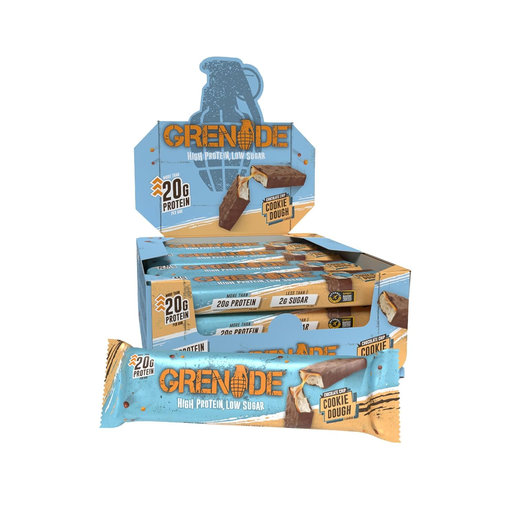 No image available
The 60-g bar format makes it easy to plan as an individual snack.
Check the protein and kcal per bar for this variety before comparing it with smaller portions.
 No image available
If you’re looking for a variety labelled vegan, check the ingredients and allergen labelling on the specific pack.
For an after-workout comparison, also check the protein and energy per 55-g bar.
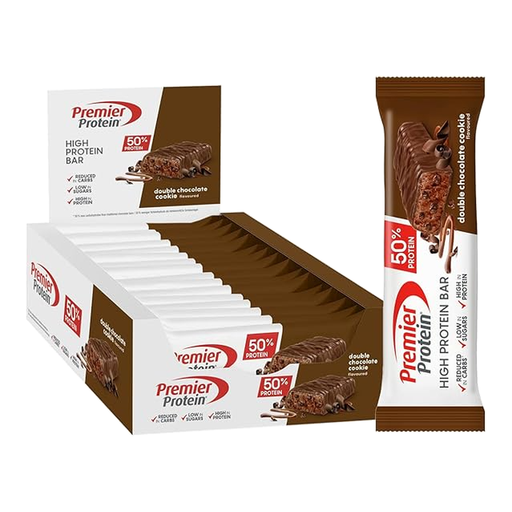 No image available
The 40-g format could work well if you’re planning a smaller bar as a snack.
The ‘50 %’ claim doesn’t replace comparing grams of protein and kcal per bar.
 No image available
The 45-g bar is another portioned snack option after a workout.
Check the grams of protein and kcal per bar: the 30% protein claim alone doesn’t tell you its energy content.
No. 20 g isn’t a requirement for every bar or every person. A review documented on PubMed in 2013 discusses this amount of protein during or immediately after exercise. Your other meals and the portion you actually eat also matter when choosing a bar.
No. Barebells lists White Chocolate Almond at 200 kcal per 55-g bar despite its ‘no added sugar’ claim, and doesn’t describe its bars as low-calorie. The energy figure for the specific variety is what matters when comparing bars.
Grams per bar tell you how much protein is in the portion you’ll eat. A 2025 market survey by the Verbraucherzentrale Nordrhein-Westfalen found inconsistent claims on the fronts of the 38 products it examined. So check the full nutritional information and compare the kcal per bar, too.
That doesn’t apply to all the varieties mentioned. Barebells describes its Original and Soft Bars as non-vegan and notes that its bars contain or may contain lactose; the IronMaxx and Layenberger varieties described also contain animal-derived ingredients. Check the full ingredients and allergen information for any variety specifically labelled as suitable for you.
Read the ingredients list and information on the pack, especially if you’re planning to eat more than one bar. The Verbraucherzentrale explains that sugar substitutes may have a laxative effect when consumed in large quantities; IronMaxx gives a similar warning for the Lava Bar described here.