People who train and want to compare protein content
You’re looking for a convenient snack after your workout and want to know how much protein a serving actually contains. As well as the figure per 100 g, the weight of the individual bar matters.


When choosing a post-workout snack, don’t just look for the words ‘high protein’. Compare the protein per bar and per 100 g, and check the ingredients, allergens and how well you tolerate sweeteners. According to the German Nutrition Society (DGE), healthy adults aged 19 to 64 who exercise for no more than five hours a week do not have increased protein requirements. So you don’t need a bar after every workout.
You’re looking for a convenient snack after your workout and want to know how much protein a serving actually contains. As well as the figure per 100 g, the weight of the individual bar matters.
You look for clear labelling to suit your needs and check the ingredients too. Even a vegan bar may contain ingredients such as soya or peanuts; pay particular attention to any separate warning about possible traces.
The exact ingredients, allergen labelling and information about sugar alcohols matter more to you than a marketing claim on the front of the pack. Check these details for each product variant.
First, check that the bar suits your diet and ingredient requirements. Then compare the protein per serving and per 100 g, along with the information on sweeteners and pack size.
| Criteria | What to check | Who it matters most to |
|---|---|---|
| Protein content | Compare the protein per bar and per 100 g, and consider the bar as part of your overall daily diet. | If I want to compare the protein in my post-workout snack, a percentage on the front of the pack isn’t enough. Around 33% of consumers put this question first when choosing. |
| Dietary requirements and allergens | Check whether the specific variant is labelled vegan or lactose-free, and look for allergens and possible traces. | If I follow a vegan diet or have an allergy, the bar needs to meet my ingredient requirements before its protein content becomes relevant. This comes first for around 27% of consumers. |
| Sugar alcohols | Check the ingredients list and serving advice for maltitol and other sugar alcohols. | If I’m sensitive to sugar alcohols, I don’t want to choose a post-workout bar based on its sugar content alone. Tolerance is the top priority for around 20% of consumers. |
| Serving size and portability | Check the weight of each bar and the pack contents; if you’re buying in bulk, check the storage instructions. | For a snack straight after a workout, I want to know what portion I’ll be taking with me and how to store the other bars. Around 20% of consumers focus mainly on this practical side. |
A single bar is no substitute for a balanced diet. The DGE says there is usually no physiological reason for athletes to use protein supplements as part of their everyday diet.
Think of a bar as a possible snack between meals, and consider your protein intake as part of your overall diet and training routine.
According to dm’s product information, Sportness Peanut Caramel contains 21 g of polyols per 100 g and carries a warning about a possible laxative effect if consumed in excess. The German Federal Institute for Risk Assessment also notes that excessive consumption of sugar alcohols may cause digestive problems.
As well as checking the nutritional information, read the ingredients list and serving advice, especially if you’re sensitive to sugar alcohols.
According to dm’s product information, the vegan KoRo Brownie Protein Bar contains soya and may contain traces of other allergens. The PowerBar Natural Protein Salty Peanut Crunch, listed there as vegan and lactose-free, contains peanuts and soya.
If you have allergies, check the ingredients and trace warnings on the specific pack rather than relying on the vegan label alone.
A protein figure per 100 g doesn’t automatically tell you how much protein there is in an individual bar. It’s not enough on its own to compare snacks of different sizes.
Compare the nutritional information per 100 g and per serving, alongside the weight of each bar.
dm’s own-brand range includes protein bars in convenient formats. For the 40 g Sportness Peanut Caramel, you can compare the protein and ingredients using dm’s product information.
The variants reviewed offer different options: Protein+ Strawberry White Choc is a milk protein bar, while Natural Protein Salty Peanut Crunch is sold as vegan and lactose-free.
According to dm’s product information, the vegan Brownie Protein Bar uses soya, pea and rice protein. This information applies to the variant described, not necessarily to the brand as a whole.
This selection includes bars containing milk or soya ingredients, as well as one variant described as vegan. When choosing, check the serving size, ingredients and labelling on the specific pack.
 No image available
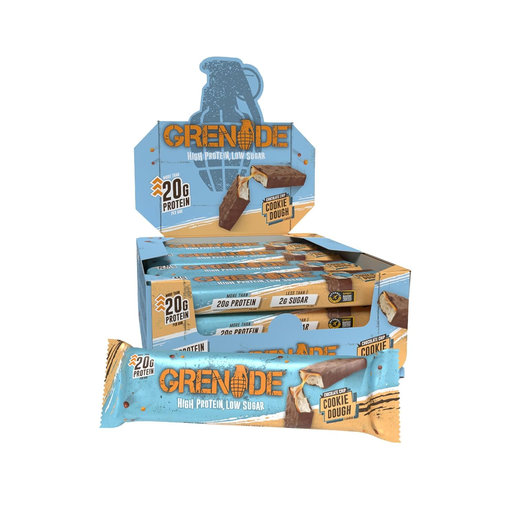
An option if you want to take an individually wrapped bar with you after your workout.
The pack is labelled as containing 12 bars, each weighing 60 g. The bar contains milk and soya, as well as polyols. If you have allergies or sensitive digestion, check the ingredients and serving advice on the pack.
 No image available
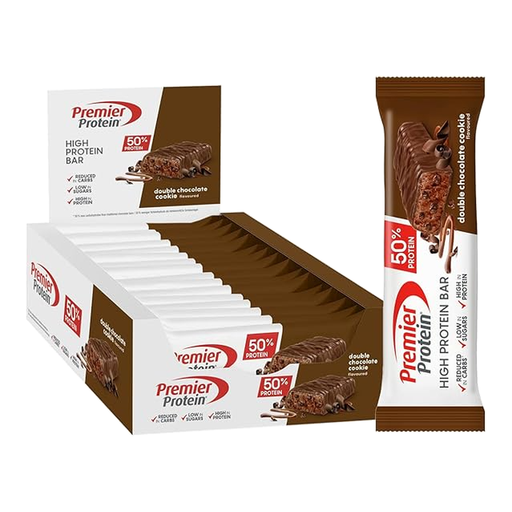
Worth considering if you’re looking for a bar with a stated protein percentage and want to check the ingredients first.
The product title states 50% protein and 16 × 40 g. Check the actual pack contents before buying. The listed ingredients include milk, soya, collagen, maltitol and sucralose; if you have allergies, always check the labelling on the specific pack.
 No image available
A variant described as vegan, offering an individually portioned snack after your workout.
The title states that the pack contains 12 bars, each weighing 55 g. Soya and peanuts are listed as ingredients, along with maltitol as a sweetener. If you want to compare the protein per bar, check the nutritional information on the specific pack.
 No image available
A ready-to-eat, individually wrapped option to take with you after your workout.
The title states 30% protein and 12 bars, each weighing 45 g. The ingredients list includes milk, soya and maltitol; if you have allergies or sensitive digestion, check the pack labelling.
 No image available
The 35 g format is worth considering if you want to take a small snack with you after your workout.
The title states 32% protein. To compare the protein per bar, check the nutritional information on the pack. According to the product description, the Bite contains milk, soya and egg; possible traces of other allergens are also listed.
No, not automatically. According to the DGE, healthy adults aged 19 to 64 who exercise for no more than five hours a week do not have increased protein requirements. If you train more than that, your training level, goals and overall daily protein intake matter – not a single bar.
Look for clear labelling on the specific variant, then check the ingredients and allergen information. The PowerBar Natural Protein Salty Peanut Crunch listed by dm is labelled vegan and lactose-free, but contains peanuts and soya. The vegan KoRo Brownie bar contains soya and may contain traces of other allergens.
This warning is relevant to excessive consumption of bars containing certain sugar alcohols. The German Federal Institute for Risk Assessment notes that large amounts of sugar alcohols may cause digestive problems. So check the ingredients and pack information if you’re sensitive to these ingredients.