People watching their calorie intake after a workout
You want a portion-controlled snack and pay attention to the calories in the whole bar. The sugar content alone won’t tell you that.


If you’re looking for a calorie-conscious snack after a workout, compare protein bars by the calories and protein in the whole bar, rather than relying on front-of-pack claims. A vegan recipe, allergens and sweeteners may narrow down your choice more than a small difference in calories. A bar is convenient when you’re on the go, but it isn’t essential for a balanced diet.
You want a portion-controlled snack and pay attention to the calories in the whole bar. The sugar content alone won’t tell you that.
You want to know how much protein a bar actually provides. Whether you need a specialist bar at all depends on your overall diet; the consumer advice centre also points to everyday foods that are high in protein.
Check the recipe for the specific variety, as a vegan label doesn’t rule out soya or possible traces of other allergens.
Start with the portion you actually plan to eat: compare its calories and protein content. Then check the ingredients and labelling for the specific variety.
| Criteria | What to check | Who it matters to |
|---|---|---|
| Calories per bar | Energy and weight per whole bar; use the values per 100 g as an additional way to compare different portion sizes. | I want to eat a whole bar after a workout and keep an eye on the portion size. For around 31% of consumers, energy per bar is the top priority. |
| Protein portion | Grams of protein per bar and how it fits into your overall diet. | If I’m planning to have a bar on the go, I want to know how much protein it contains without assuming it’s essential. The protein content is the most important criterion for around 31% of consumers. |
| Ingredients and tolerability | Ingredients list, highlighted allergens, ‘may contain’ information and sweetener details for the specific variety. | If I follow a vegan diet or have a relevant allergy, the recipe needs to meet my requirements. This is a key priority for around 23% of consumers. |
| Availability | Pack size and current availability of the bar you want. | If I’m planning to have a snack regularly, I want to be able to find my chosen variety again easily. This is the top priority for around 15% of consumers. |
Lebensmittelklarheit points out that products with no added sugar may still contain sweeteners or sugar substitutes. The consumer advice centre explains that sugar substitutes can have a laxative effect when consumed in larger quantities.
Read the ingredients list and information about sweeteners rather than assuming that a ‘no added sugar’ claim describes the whole recipe.
A value per 100 g doesn’t automatically tell you what’s in the portion you’ll eat. Bars of different weights may also vary in calories per bar.
Compare the weight, calories and grams of protein in each whole bar; use the nutritional values per 100 g as an additional common basis for comparison.
A bar can be convenient when you’re on the go. However, the consumer advice centre says you can also meet your protein needs with everyday foods that are high in protein.
Decide whether a bar offers a practical advantage based on your overall diet and what you need after your workout.
A protein bar labelled vegan may still contain soya, for example, and ‘may contain’ information can also be relevant to your choice.
If you have an allergy, check the ingredients and trace-allergen information on the pack of the exact variety you’re choosing.
Barebells offers protein bars across several product ranges. The specific variety is what matters when comparing portions.
Chocolate Peanut & Caramel comes in a clearly stated 40-g portion, making it easy to compare as a post-workout option.
The Chocolate Brownie protein bar may suit people specifically looking for a variety labelled vegan.
These bars are portion-controlled snack options for after a workout. Compare the nutritional values for the specific variety before choosing based on calories, protein content or a vegan recipe.
 Image unavailable
This 35-g bar is a small, individually portioned snack option for after a workout.
The product name states 32% protein. To compare calories, check the kcal per bar on the pack; if you have allergies, check the information about milk, soya and possible traces.
 Image unavailable
The pack contains twelve 45-g bars for a portion-controlled post-workout snack.
The product name states 30% protein. If you have a gluten intolerance, check the labelling on the specific pack particularly carefully; the available information about whether it’s suitable for a gluten-free diet conflicts with the listed gluten-containing ingredients.
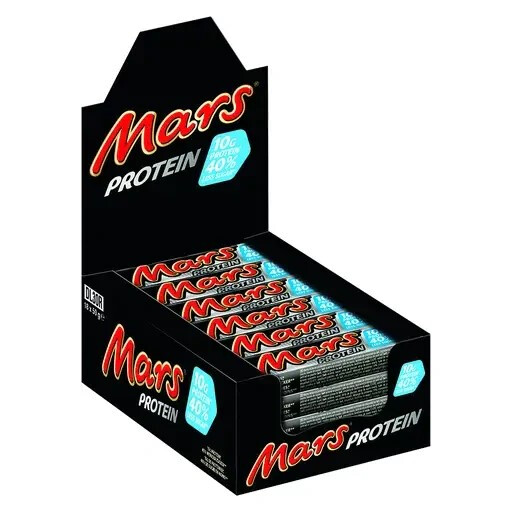 Image unavailable
This pack of 18 bars, each weighing 50 g, is a good fit if you want individually portioned snacks.
For a calorie-conscious comparison, check the kcal per 50-g bar and bear in mind the stated sugar content of 35.7 g per 100 g; a comparative sugar claim doesn’t mean the absolute sugar content is low.
 Image unavailable
This variety is labelled vegan and may suit you if the recipe matters more than choosing the smallest possible bar.
The pack contains twelve 55-g bars. The ingredients list includes peanuts, soya and wheat protein; if you have allergies, check the specific pack.
 Image unavailable
These twelve individually portioned 45-g bars could make a handy post-workout snack.
The product name states 30% protein. If you’re choosing based on kcal per bar, check the nutritional information on the specific pack; also note the information about milk, soya and possible other allergens.
First compare the calories and protein in each whole bar if you plan to eat one bar at a time. The nutritional values per 100 g also help you compare products regardless of portion size.
No, a protein bar isn’t essential after a workout. The consumer advice centre points out that you can also meet your protein needs with everyday foods that are high in protein; a bar can simply be convenient because it’s easy to carry.
No, no added sugar doesn’t automatically mean unsweetened. According to Lebensmittelklarheit, the bar may contain sweeteners or sugar substitutes, so check the ingredients list and information on the pack.
Check the highlighted allergens in the ingredients list for the specific variety and read any ‘may contain’ information too. Under the labelling rules explained by the European Union, any allergens present must be highlighted in the ingredients list; a vegan label doesn’t replace this check.