When choosing a protein bar for the afternoon, first consider whether you want an individually wrapped snack to take with you, a multipack or a specific amount of protein per bar. Then compare the portion you’ll actually eat, along with the nutritional values, ingredients and allergens for that particular variety. A prominent protein claim on the front of the pack isn’t enough to make your decision.
Who might consider protein bars?
On the go, with a need to stock up
If you want to keep several individually wrapped afternoon snacks ready for the office or your commute, consider the pack size and variety mix. With an assorted box, check that the information for every variety meets your needs.
Active people looking for a clearly stated portion
For a snack between appointments or around a workout, it’s easier to assess the amount of protein in the bar you’ll actually eat than an isolated percentage claim on the front of the pack.
People with specific ingredient requirements
If you avoid certain ingredients or sweeteners because of allergies or personal preferences, check the label for the variety you’ve chosen. You can’t assume that one bar’s recipe applies to other varieties from the same brand.
What should you look for when buying?
First, think about how you plan to enjoy your bar in the afternoon. You can then assess the portion size and pack format alongside the information for that specific recipe.
| Criteria |
What to check |
Who it matters to |
| Individual portions and variety |
Check the number and weight of the bars, and which varieties are included. For assorted packs, read the information for each variety. |
If I keep bars for the office or my commute, I want to be able to take a single portion with me and choose between varieties when stocking up. Around 31% of consumers prioritise this practical need. |
| Protein per snack |
Compare the protein and energy per bar with its weight. For an additional point of comparison, check the nutritional values per 100 g. |
After a workout or between appointments, I want to know how much protein is in my snack portion. A clearly stated portion is the top priority for around 31% of consumers. |
| Ingredients and nutritional values |
Check the ingredients, allergens and sweeteners for the specific variety. Compare sugar, fat and energy on the same portion basis. |
If I need to avoid certain ingredients or pay attention to what’s in my food, a protein figure shouldn’t overshadow the other information. Checking the recipe is the main concern for around 38% of consumers. |
What mistakes can you avoid?
-
Confusing the front-of-pack claim with the portion
In a market survey of 38 protein snacks, the North Rhine-Westphalia Consumer Advice Centre found that protein claims were presented inconsistently. Grams and percentages on the front of the pack don’t, by themselves, allow for a direct comparison per bar eaten.
Check the nutritional information per bar and per 100 g, and take the weight of each bar into account.
-
Assuming “no added sugar” means low in energy
A bar with no added sugar may contain sweeteners. The claim doesn’t tell you how much energy it contains; Barebells itself points out that its bars are not low in calories or reduced in calories.
Check the energy and sugar per bar, as well as the ingredients list, rather than treating the front-of-pack claim as a complete assessment.
-
Checking just one variety in an assorted pack
Bars in the same box may have different ingredients and nutritional values. This is particularly important if you have allergies: the label on one bar isn’t a reliable guide to the whole mix.
Check the ingredients and allergen information for every variety in the pack before choosing an assorted box.
-
Relying on a protein bar to meet your protein needs
According to the Consumer Advice Centre, an additional portion of protein isn’t automatically necessary for general nutrition in Germany, even for people who exercise regularly.
Choose a bar because its format works for you as a snack, and consider the portion as part of your overall diet.
Brands to consider
Barebells
Barebells offers several ranges of protein bars, including a Favourite Bar Box with twelve bars in assorted varieties.
- If you’re stocking up and want a change of variety, the box contents give you a clear idea of what to expect.
- Ingredients and allergens may vary between varieties. Barebells recommends checking the allergen information for the product you choose.
ESN
ESN offers products including Designer Bars and GOAT Bars for an individually portioned snack.
- ESN states that its Designer Bar contains up to 15 g of protein per bar; this claim applies to the named product range.
- For the specific variety, the bar’s weight, full nutritional information, sweeteners and allergens remain important.
Powerbar
Powerbar is one of the brands offering bars in its sports nutrition range, alongside other product formats such as gels and drinks.
- A bar can work as a portioned snack if the format suits your plans for the afternoon.
- Being part of a sports nutrition range doesn’t tell you anything about the ingredients or nutritional values of a particular variety.
Protein bars and individual portions at Joybuy
Here you’ll find multipacks of specific varieties, as well as a smaller individual portion. When choosing an afternoon snack, consider the product’s label and portion size as well as the pack format.
 No product image available
ESN Protein Designer Bar Hazelnut Nougat, 12 × 45 g
The 12-pack is a good choice if you want to keep several snack portions of the same size to hand.
If you have concerns about milk, soya or hazelnuts, check the ingredients and allergen information. Also read the information about sweeteners on the pack.
View at Joybuy
 No product image available
Barebells Protein Bar Cookies & Cream, 12 × 55 g
The 12-pack is a good option if you want to plan ahead with bars of the same variety for several afternoons.
Each portion weighs 55 g. If you have concerns about milk or soya, check the allergen information and any may-contain warnings. Also read the information about sweeteners.
View at Joybuy
 No product image available
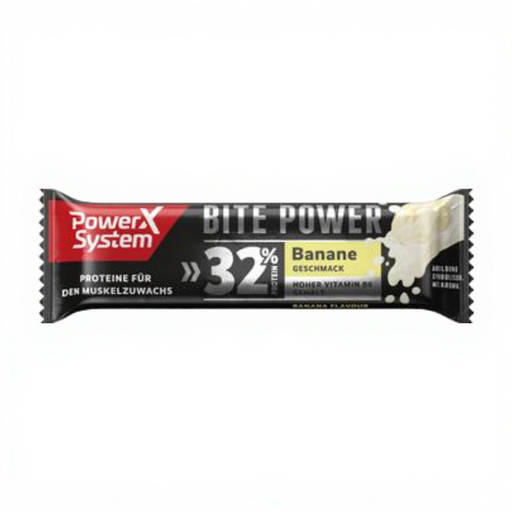
Power System 32% Protein Bite Power, banana, 35 g
This 35 g bite may suit you if you’d prefer a smaller portion to take with you rather than a multipack.
For a comparison with larger bars, look at the nutritional values for the 35 g you’ll eat. If you have concerns about milk, soya, egg or possible traces of other allergens, check the pack information.
View at Joybuy
 No product image available
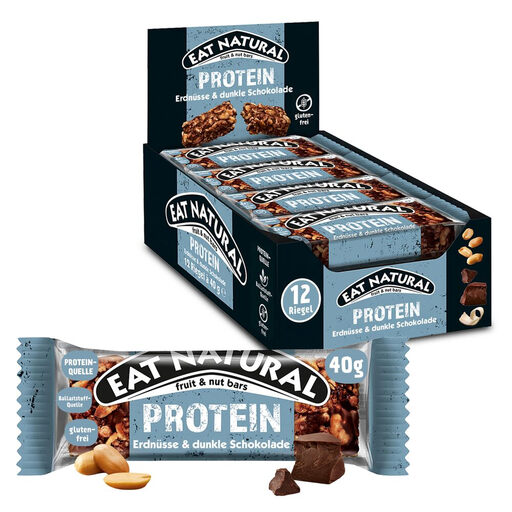
Eat Natural Protein Bars Peanuts & Dark Chocolate, 12 × 40 g
The 12-pack lets you stock up on individual 40 g snacks in this variety.
Compare the nutritional values for a 40 g portion when measuring this bar against other pack sizes. If you have concerns about peanuts or soya, check the allergen information and may-contain warnings.
View at Joybuy
Frequently asked questions
Do protein bars have to list their ingredients and allergens?
Yes. Under the labelling rules explained by the European Union, pre-packed foods must include an ingredients list, allergen information and a nutrition declaration. If you’re choosing an assorted pack, check this information for every variety it contains.
Is the protein claim on the front enough to compare bars?
No. Compare the amount of protein per bar alongside the bar’s weight and other nutritional values. In a market survey of 38 protein snacks, the North Rhine-Westphalia Consumer Advice Centre found that protein claims were presented inconsistently. Information per 100 g provides an additional common basis for comparison.
Do I need a protein bar for an active afternoon?
Not necessarily. A protein bar is one possible snack, not a requirement for getting enough protein. The Consumer Advice Centre points out that even people who exercise regularly can meet their protein needs with everyday protein-rich foods.
What should I know about sweeteners in protein bars?
Read the ingredients list and consumption advice for the specific variety. Barebells lists sweeteners in some bars and warns that excessive consumption may have a laxative effect. Recipes vary between varieties.


